
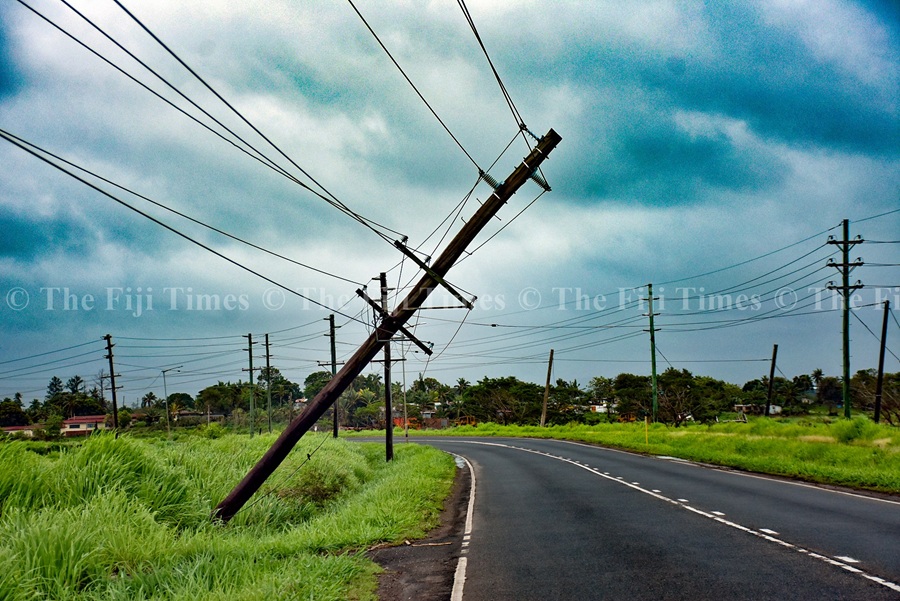
Fiji is projected to lose more than 6.5 per cent of its gross domestic product by 2050 due to the impacts of tropical cyclones and flooding.
The projection is outlined in Fiji’s newly released National Anticipatory Action Framework for Tropical Cyclones 2025–2027, which highlights the nations vulnerability to Extreme weather events.
“Fiji is one of the most cyclone-prone countries in the world, with more than 33 tropical cyclones of Category 1 or higher passing within 10 kilometres of the country since 1969,” the report said.
“Of these, 16 made landfall.”
The report notes that tropical cyclones have caused widespread damage to infrastructure, disrupted the economy, displaced thousands of people, and resulted in humanitarian suffering and loss of life.
“Beyond destructive wind speeds, tropical cyclones in Fiji are often accompanied by intense rainfall, resulting in flash floods, riverine flooding, and storm surges that further exacerbate the country’s exposure and vulnerability.”
Some of the most severe cyclones in recent history include Cyclone Winston in 2016, the strongest cyclone ever recorded in the Southern Hemisphere, Cyclone Yasa in 2020, the second-strongest cyclone to make landfall in Fiji, and Cyclone Harold, also in 2020. International assistance, including funding from the Central Emergency Response Fund, was mobilised in response to these disasters.
The framework also highlights that cyclones with lower wind speeds can still cause significant damage. Cyclone Cody in 2022, a Category 1 system, affected around 70,000 people due to heavy rainfall averaging more than 200 millimetres across the country, leading to widespread flooding.
“Climate change is identified as a key factor increasing Fiji’s risk, with warmer ocean temperatures contributing to more intense and destructive cyclones.”
The report warns of stronger storm surges, more extreme rainfall, and rising sea levels in the future.
According to Fiji’s Nationally Determined Contributions, the economic impact of tropical cyclones and floods could push 25 per cent more people into poverty each year by 2050.
While the government has invested heavily in disaster preparedness and resilience, the framework concludes that Fiji remains at high risk of loss and damage from tropical cyclones.

