The Consumer Council of Fiji is calling for greater transparency and independent scrutiny over Energy Fiji Limited’s proposal to introduce a fuel surcharge of approximately 11 cents per kilowatt hour.
In its submission to the Fijian Competition and Consumer Commission, the Council said it conditionally opposed the proposed surcharge despite acknowledging the impact of rising global fuel prices.
Consumer Council chief executive Seema Shandil said the proposed increase would place significant pressure on households and businesses already dealing with higher living costs.
“An 11-cent increase on the current tariff of 34 cents per kWh represents a significant rise, which would drive up electricity costs for both households and businesses,” Ms Shandil said.
She noted that a household using 300kWh per month could see an additional $33 added to its electricity bill if the surcharge was approved.
The Council also questioned how Government fuel subsidies had been reflected in EFL’s reported fuel cost increases.
“In particular, the Government had announced fuel subsidies of 20 cents per litre on diesel and 12 cents per litre on heavy fuel oil. EFL must therefore present a detailed reconciliation demonstrating how these public funds have been accounted for in its reported $12.26 million fuel cost variance,” Ms Shandil said.
The Council outlined three key conditions it believes must be met before any surcharge is considered.
These include full transparency from EFL to justify the necessity of the surcharge, strict limits ensuring the surcharge remains temporary, and safeguards requiring businesses to reverse any energy-related price increases once the surcharge is removed.
“Consumers must not be made to carry an unchecked or poorly explained cost burden,” Ms Shandil said.
“If the FCCC finds an adjustment is necessary to prevent a national energy crisis, it must be reasonable, targeted, and accompanied by the strongest possible consumer protections.”
She also warned against allowing temporary measures to become permanent financial burdens on households.
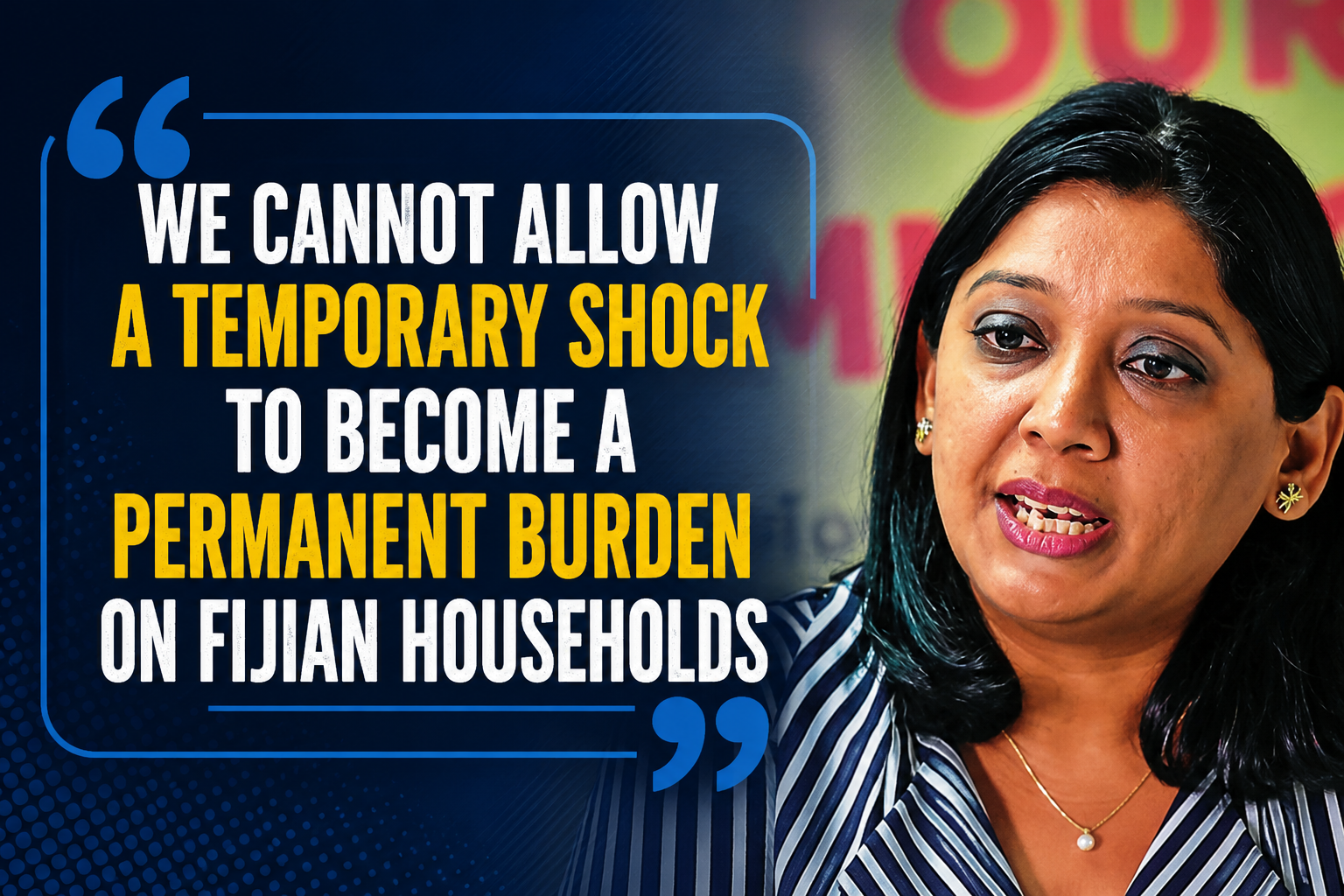
“We cannot allow a temporary shock to become a permanent burden on Fijian households,” she said.
The Consumer Council said it would continue advocating for consumer rights throughout the consultation process.