

PROTECTING 30 per cent of the world’s land and ocean habitats by 2030 (30×30) will help threatened species recover and survive.
It will not only preserve vital ecosystems but also keep massive amounts of carbon out of the atmosphere and help future generations to survive and flourish.
According to non-profit environmental watchdog, SkyTruth – wildlife population has decreased by nearly 70 per cent since 1970, with up to more than 44,000 species threatened with extinctions.
Furthermore, habitat loss is the main driver of the ongoing extinction crisis and according to figures, only 9.9 per cent of the world’s ocean and 17.6 per cent of its land area are protected.
SkyTruth says Earth’s climate and biodiversity are inextricably linked.
A stable climate helps ecosystems thrive, and protected ecosystems help slow rising global temperatures and buffer us from the worst impacts of climate change, including floods, wildfires, and food insecurity.
SkyTruth highlighted that from fisheries and forests, to agriculture and tourism, 30×30 envisions a world where critical habitats are sustained and protected, continuing to provide flood protection, pollinators for crops, and fish and other food resources for billions of people.
A few weeks ago, Fiji held a Data Working Group Meeting on the 30×30 initiative, which was officially by Fisheries and Forestry Minister, Alitia Bainivalu.
Fiji’s commitment to conserve and sustainably manage 30 per cent of its marine areas by 2030 is not a symbolic gesture but is a serious national undertaking that reflects Fiji as a large ocean state.
Ms Bainivalu said Fiji’s ocean was not only a resource, but also our heritage, our food basket, and a foundation of Fiji’s economy.
“The decision we make in this space must there be careful, balanced and grounded in both science and practicality,” she said.
Understanding the system
Before Fiji advance its 30×30 discussions, it must clearly understand the systems already in place.
Systems that have been built over decades to ensure sustainability, compliance and responsible use of marine resources.
“Our 30×30 efforts must not contradict or undermine the strong work already undertaken in fisheries management.
“They must not reinforce it. They must strengthen it. Conservation and sustainable use are not opposing forces. When guided by credible science, sound data and realistic planning, they work hand in hand.
She said Fiji’s fisheries sector supports livelihoods, contribute significantly to national revenue, and provides food security to people.
Any pathway forward must protect gains while improving environmental resilience.
“We must also take a moment to recognise the strong national systems that are already in place and how far Fiji has come. Our journey did not begin with 30×30,” Ms Bainivalu said.
Fiji commitment
As early as 2005, Fiji made clear national commitments toward sustainable ocean management.
Since then, it has strengthened its legal and governance framework, particularly the Offshore Fisheries Management Act 2012 and its Regulations in 2014.
“These were not minor reforms. They established the structure for licensing, compliance, monitoring, reporting and enforcement that guide our offshore fisheries.
Fiji has also made deliberate investments in developing and protecting its fishery.
“This has been about more than resource access – it has been about creating jobs, strengthening local industry, supporting onshore processing and ensuring greater national participation across the value chain.
“Our management systems are designed to conserve our stocks while protecting the operations and viability of our domestic fleet.
“Through robust monitoring, control and surveillance systems, strong data reporting, and clear institutional arrangements, we have built a framework that ensures sustainability while allowing our people to benefit directly from our marine resources.
Fiji must ensure that its conservation efforts are strengthen, not weaken.
“Our existing laws, institutions and operational systems are assets. They are the product of years of work, investment and reform.
Data Working Group critical
Data Working Group is critical as it is the technical engine that will ensure coherence across government.
Bainivalu said it would create a coordinated platform where data is analysed, assumptions are tested and trade-ffs are properly assessed when they are bringing together expertise.
Through that collaboration, Fiji ensures that 30×30 implementation is measurable and is nationally aligned and economically sensible.
She said Fiji must approach it with discipline and clarity and that science must inform them.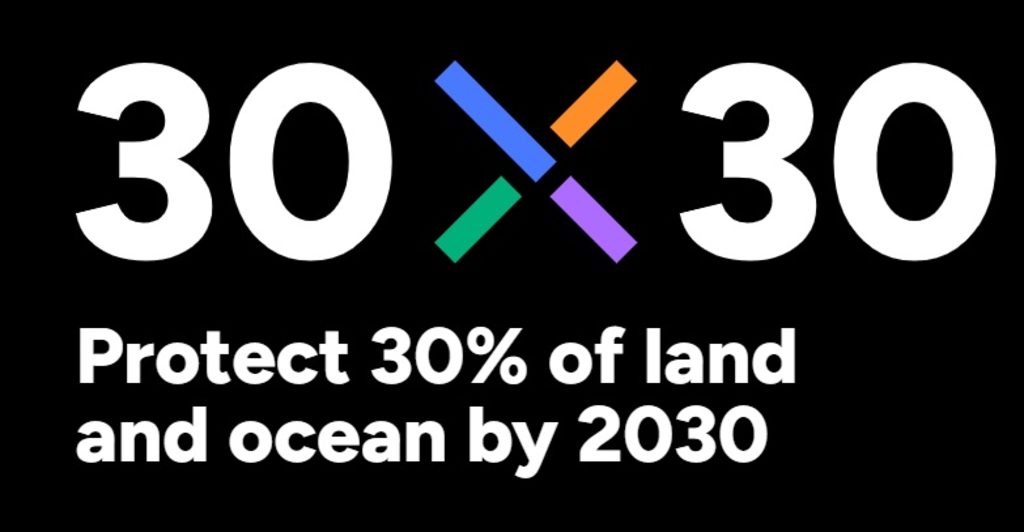
Protecting 30 per cent of the world’s land and ocean habitats by 2030 (30×30) will help threatened species recover and survive. Picture: SKYTRUTH
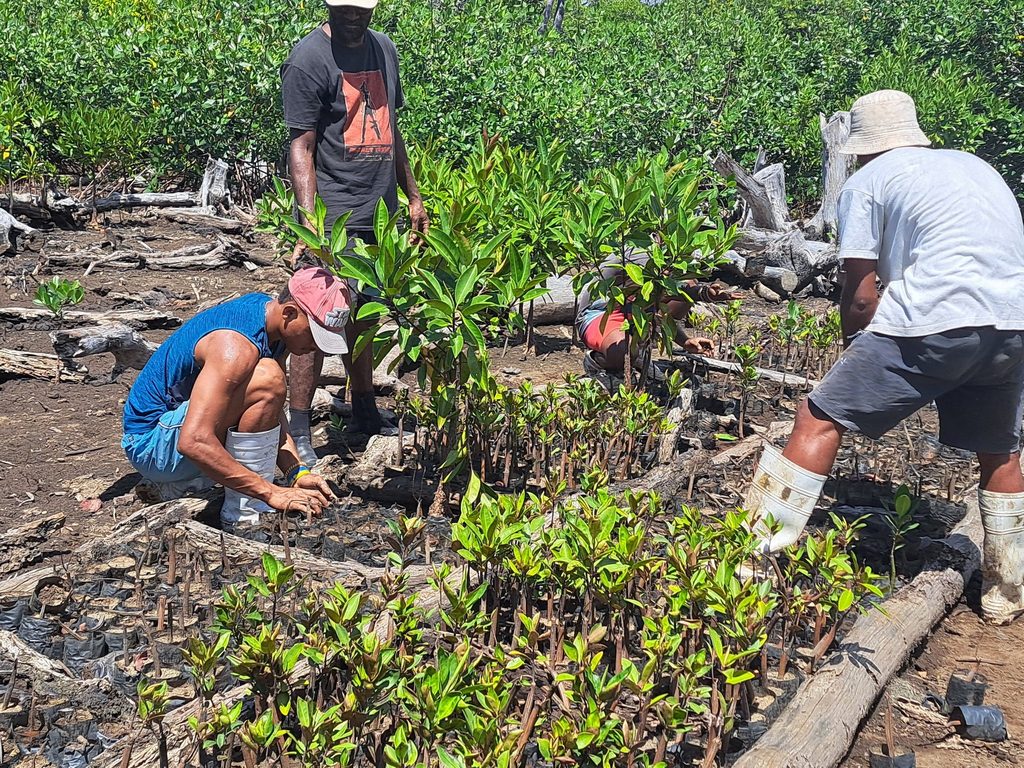
Protecting 30 per cent of Earth’s lands and water will help safeguard the resources needed for future generations to survive and flourish in a better world. Picture: CONSERVATION INTERNATIONAL FIJI

Fiji’s commitment to conserve and sustainably manage 30 per cent of its marine areas by 2030 is a serious national undertaking that reflects Fiji as a large ocean state. Picture: FILE/ ANA MADIGIBULI

