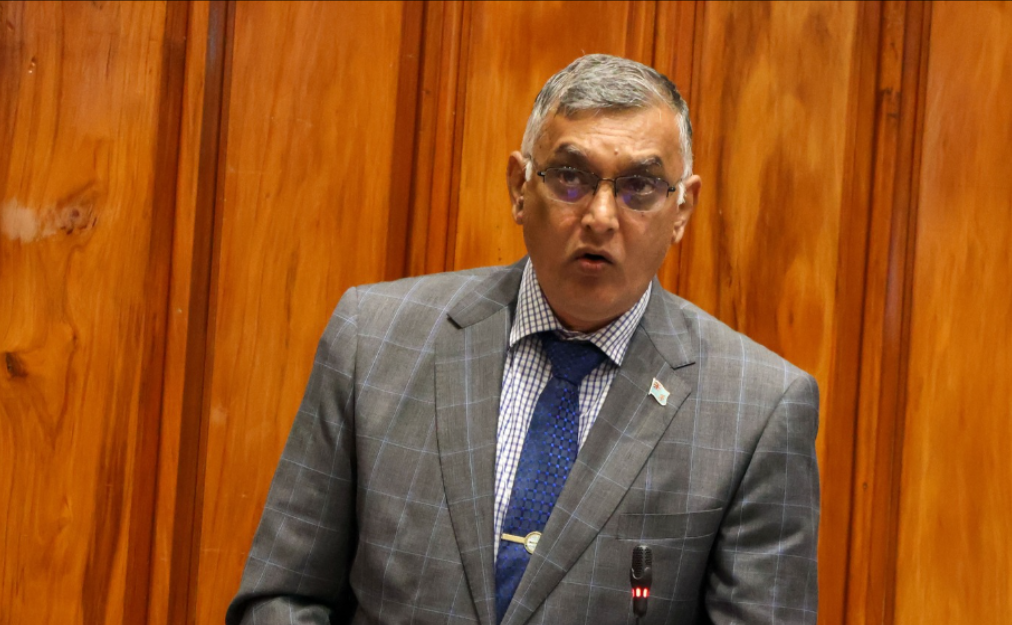
Head of the Catholic Church Archbishop Peter Loy Chong has challenged Fiji’s churches to stop measuring their success by church numbers and baptisms and instead confront the social crises affecting the country, including drugs, violence, HIV and the growing impact of social media on children.
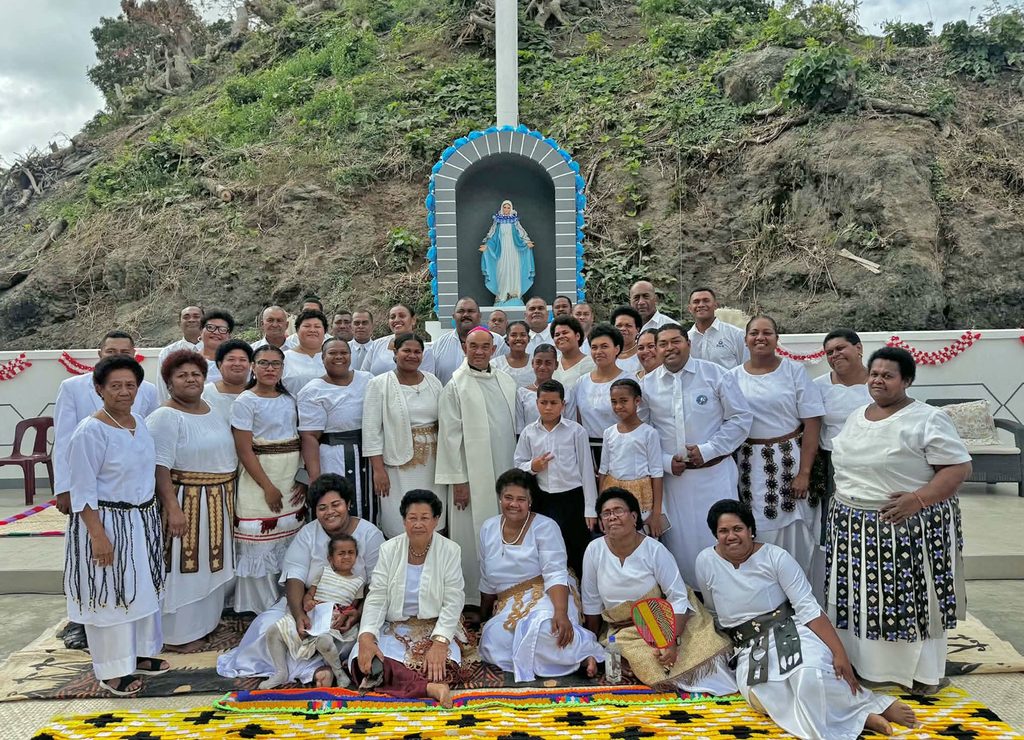
Speaking during the service in Lakeba, Lau, to commemorate 182 years since the arrival of the first Catholic missionaries in Fiji, Archbishop Loy Chong said Christian mission should not be about competing for members, but about bringing meaningful change to people’s lives.
“Christian mission cannot simply be about tallying baptisms or switching people from one church roster to another,” he said.
He said the focus should instead be on “a deep transformation of attitude”, including rejecting violence, respecting women, protecting children, upholding honesty in leadership and caring for creation.
Archbishop Loy Chong said the church needed to examine whether its work was addressing the challenges people faced in their everyday lives.
“The urgent question before us today is this: How are we practising our faith in God so that it speaks directly and healingly to the deep social challenges of our people?”
He highlighted what he described as the “devastating scourge” of illicit drugs, including methamphetamine and marijuana, and their impact on young people.
Archbishop Loy Chong also raised concern about the growing influence of technology on children.
“We see our children consumed and alienated by smartphones, social media, and digital addiction.”
He said the church could not remain focused solely on what happened inside places of worship while communities struggled with serious social problems.
“The world is hurting outside the doors of our churches. If our religion remains locked inside our four walls, what good is it?”
Archbishop Loy Chong said churches needed to respond through practical action and work together to address the challenges facing communities.
He said Christian mission should bring about a change in attitudes and behaviour, rather than simply increasing church membership.
He called for greater cooperation between churches, saying the challenges facing communities required a united response.
“The era of religious competition is behind us – the era of united Christian witness is here.”