
Fiji’s waste management framework is based on the waste hierarchy, which prioritises waste reduction, reuse and recycling ahead of disposal or energy recovery, says Ministry of Environment and Climate Change permanent secretary Dr Sivendra Michael.
The proposed waste to energy project, headed by The Next Generation (Fiji) Holdings Pte Limited and made up of local and international investors, was planned to address Fiji’s dependency on imported diesel fuel for power generation.
Responding to concerns raised by residents and NGO’s about the proposed waste to energy (WtE) power plant in Vuda Point in Lautoka, Dr Sivendra said these concerns were legitimate.
“The ministry recognises concerns regarding waste to energy potentially suppressing recycling growth are legitimate and must be carefully examined,” he said.
“Fiji’s waste management framework is based on the waste hierarchy, which prioritises waste reduction, reuse and recycling ahead of disposal or energy recovery.
“This approach is reinforced through Fiji’s National Integrated Waste Management and Pollution Control Strategy.
“Under the Waste Disposal and Recycling Regulations 2007, any energy from waste proposal must demonstrate that it does not undermine waste minimisation, reuse or recycling objectives.”
He said the ministry was also implementing upstream measures, including the phase-out of problematic plastics, to reduce waste generation at source.
“Any proposed WtE project must therefore not create long-term dependence on increasing waste volumes.”
He said the WtE proposal was relatively new in the national context.
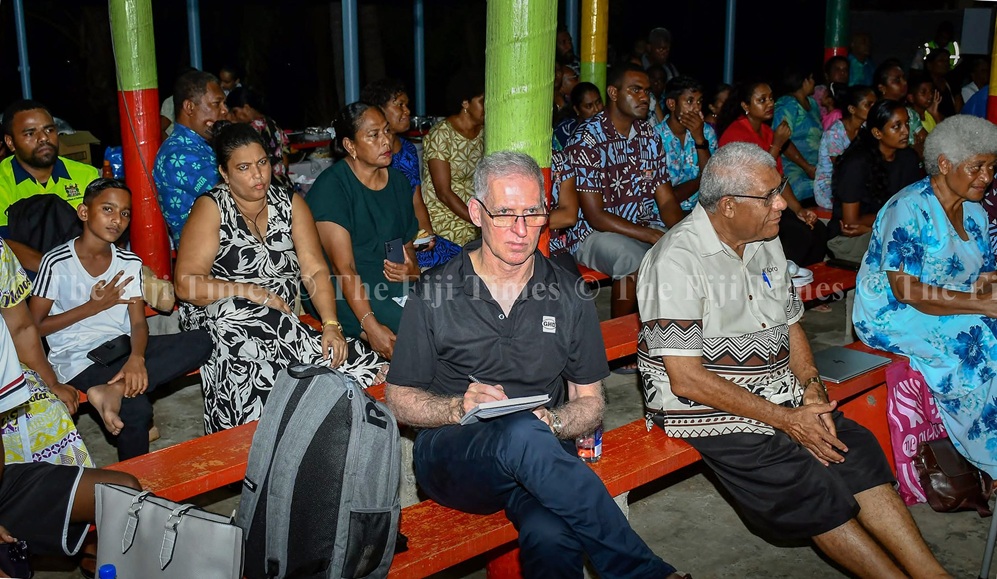
Residents of Vuda turned out in numbers on the first day of the consultations on Thursday alongside representatives from the Pacific Recycling Foundation (PRF).
In a statement, PRF founder Amitesh Deo warned of the impending impact such a project could have on the environment, health and livelihoods of neighbouring communities.
“Any waste to energy project must complement recycling, not compete with it or replace it,” said Mr Deo.
“With recycling rates already extremely low in Fiji, diverting recyclable materials into energy recovery would be a step backwards, not progress.”
The foundation sought clarifications on what types of waste feedstock the proposed facility intended to process including whether it would handle municipal waste, plastics, organics, industrial waste or other materials.
“It is critical that any waste to energy project facility is restricted to residual waste only, after all recyclable and compostable materials have been removed, in line with the reduce-reuse-recycle hierarchy.
“PRF is also calling for transparency on how recycling will be prioritised and continuously improved while the plant is operating, and what pre-processing and sorting systems will be in place to ensure recyclables such as plastics, metals, glass, paper and organics are not sent for energy recovery.”
Mr Deo said most Fijian household and commercial waste was collected as mixed waste and transported directly to the landfill and dumpsites, with little to no sorting or diversion taking place.
“If a waste to energy facility depends on waste for the next 20 or 30 years, the risk of recyclables being fed into the plant is extremely high under our current system.
“Without major upstream changes, recyclables will inevitably be sacrificed just to keep the plant running.
“That cannot be allowed to happen in Fiji.”

