The Coast to Coast has avoided the ever-growing list of major events relegated to the scrapheap in the aftermath of New Zealand’s latest move to fight COVID-19 pandemic.
Having canned the two-day race on Monday after Prime Minister Jacinda Ardern moved the country to the red traffic light setting, organisers confirmed the one-day race, and the mountain run, will go ahead on February 12.
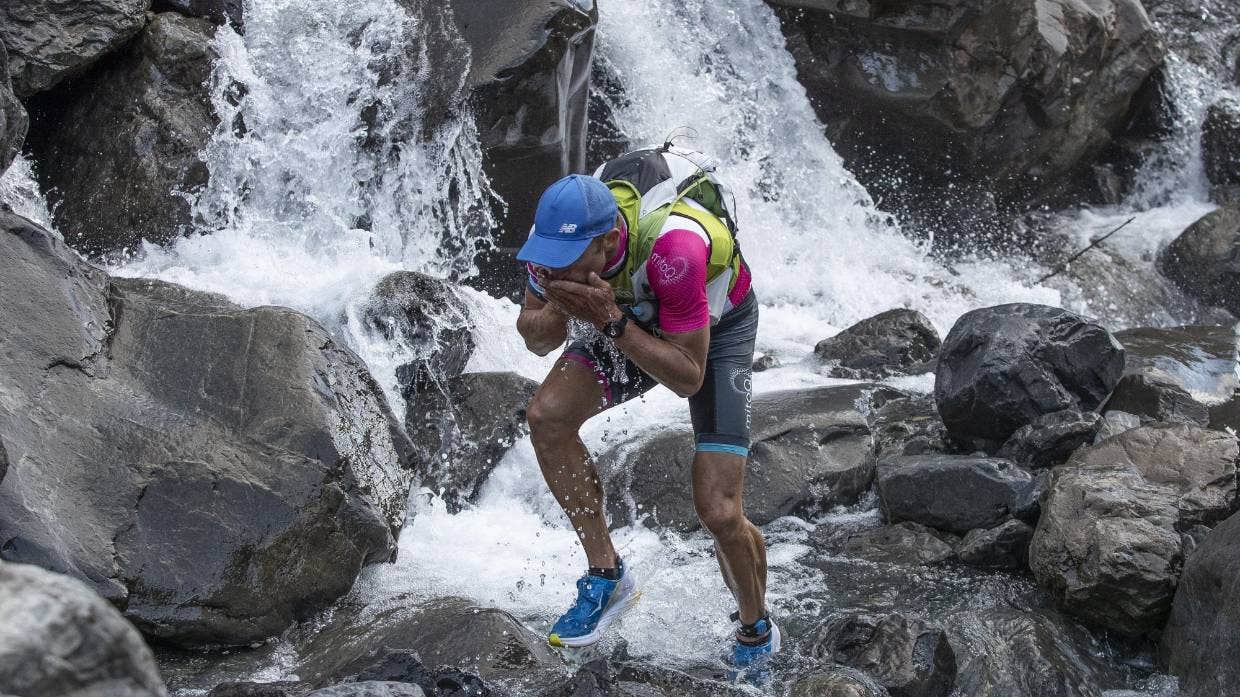
Starting in pods of less than 100, 284 competitors will line up in the 243km longest day and one-day teams categories – running, biking and kayaking from Kumara Beach on the West Coast to Christchurch’s New Brighton Beach.
Another 90 athletes – starting from different sections of the course – will compete in the 30.5km mountain run.
While it’s a significant decrease from the 1400 athletes who snapped up entries within five minutes last March, it at least means the 40th anniversary edition will run in part.
The mountain run was initially scheduled to take place on February 11, the first day of the two-day race.
Athlete’s support crews have been limited to two people, and friends and family will be restricted from entering the athlete transition areas.
However, there has been no changes to safety measures, with helicopter support through Goat Pass, as well as jet boat patrols across a 70km stretch of the Waimakariri River, to remain in place.
“This is one area that can’t be compromised. But reducing the number of competitors on course should already see a reduction in the time that their services are needed on course. Traditionally, the one-day athletes are the more experienced ones, too, so their dependency on the safety crews is pretty low.”
Organisers on Monday confirmed the two-day race had been canned, rubbing out between 900 and 1000 competitors, including former All Blacks Richie McCaw and Wyatt Crockett.
“There was simply no way we could provide a safe event for the two-day athletes, support crew and spectators. But once more guidelines and information came to light earlier this week, we became confident that we could do so at a much smaller scale,” Currie said, adding the scaling back of food and beverage would impact community groups.
“We’ve traditionally been able to facilitate and donate up to $50,000 per event to the likes of the Springfield, Sheffield and Moana Schools, the Malvern Lions Club, Kumara Community Trust and a raft of others, but unfortunately this will have a knock-on effect.”
The first wave of competitors will start from Kumara Beach at 7am on February 12, and are expected to begin arriving in New Brighton from 4.30pm.