
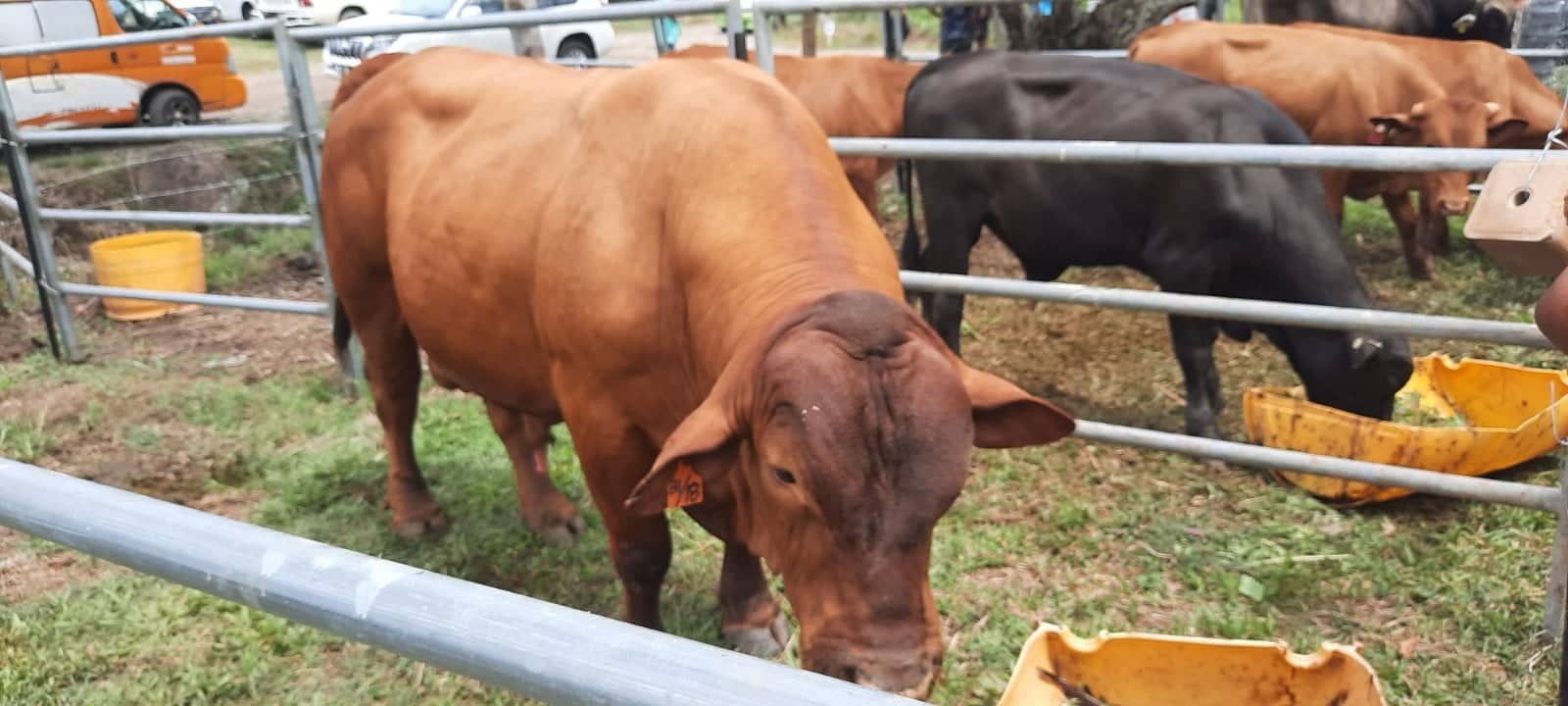
Fiji’s Coalition Cabinet has approved the Ministry of Agriculture’s proposal for an increase in the price of cattle with improved genetics.
Present cattle sale prices have not been renewed for decades.
And according to the ministry, those prices are not on par with current market rates and are neither sustainable nor practical in the present market environment, and also far below the cost of production.
According to a Cabinet statement, the proposed reviewed sale price recognised the genetic value and superior quality of cattle produced via Embryo Transfer Technology (ETT) at agricultural stations.
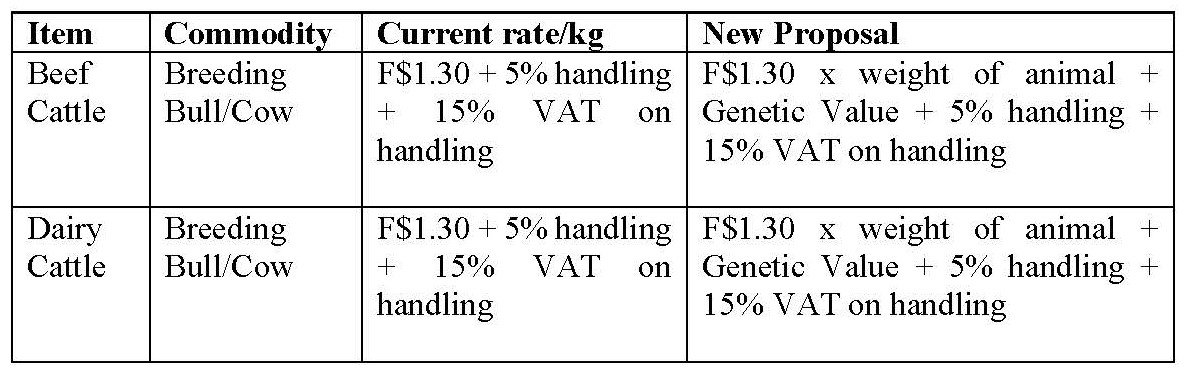
Since 2017, the Agriculture ministry had embarked on a program to rear and develop prime quality beef and dairy breeds.
Part of the program sourced four breeds of cattle from Australia through the Australian Reproductive Technology Company – the company was approved by the Fiji Government Major Tenders Board.
It brought in Senepol, Wagyu and Droughtmaster breeds to develop prime quality beef, and Brown Swiss for dairy.
This project has been facilitated by means of ETT, the Cabinet statement said.
It stated that imported embryos were implanted into local recipients (surrogate mothers) at Ministry of Agriculture livestock stations from 2018 to 2022 in four phases.
The four breeds of cattle (Senepol, Brown Swiss, Wagyu and Droughtmaster) had been carefully selected for good performance in terms of adaptability to heat stress, growth and development, reproduction and meat quality, as well as considering market needs.
The program identified:
- Senepol cattle for beef breeds – having demonstrated a number of desirable commercial traits and is climate resilient,
- Brown Swiss cattle for dairy – due to its high volume and quality milk production,
- Quality of Wagyu beef meets the standards required by hotel guests, and ensures the taste, texture and cuts of beef are of superior quality and have excellent marbling characteristics that add quality, flavour and taste in either steak, barbeque and when cooked in various dishes.
At a glance:
- The Embryo Transfer Technology (ETT) was adopted in several stages,
- First stage saw the establishment of the tropically adapted elite beef and dairy herds,
- Followed by a secondary stage of mass replication on stations and eventually onto selected farms,
- The cattle offspring from the ETT and crossbreeding research that have been developed on Agriculture stations are intended for sale to farmers,
- A significant number of quality breeding stock that have been sold to farmers by the Ministry of Agriculture have been under-utilised, attributed to low cow numbers or cows ending up being slaughtered prematurely without being allowed to breed and produce quality offspring on farms,
- New genetic breeds were sold at low prices, and because it was under-valued, it failed to service its primary purpose of improving the genetics of cattle on farms.
(Source: Cabinet statement, 2024)
The performance of those cattle breeds will continue to be monitored and evaluated at the Agriculture research stations before the breeds are passed to farmers for rearing and multiplication.

