
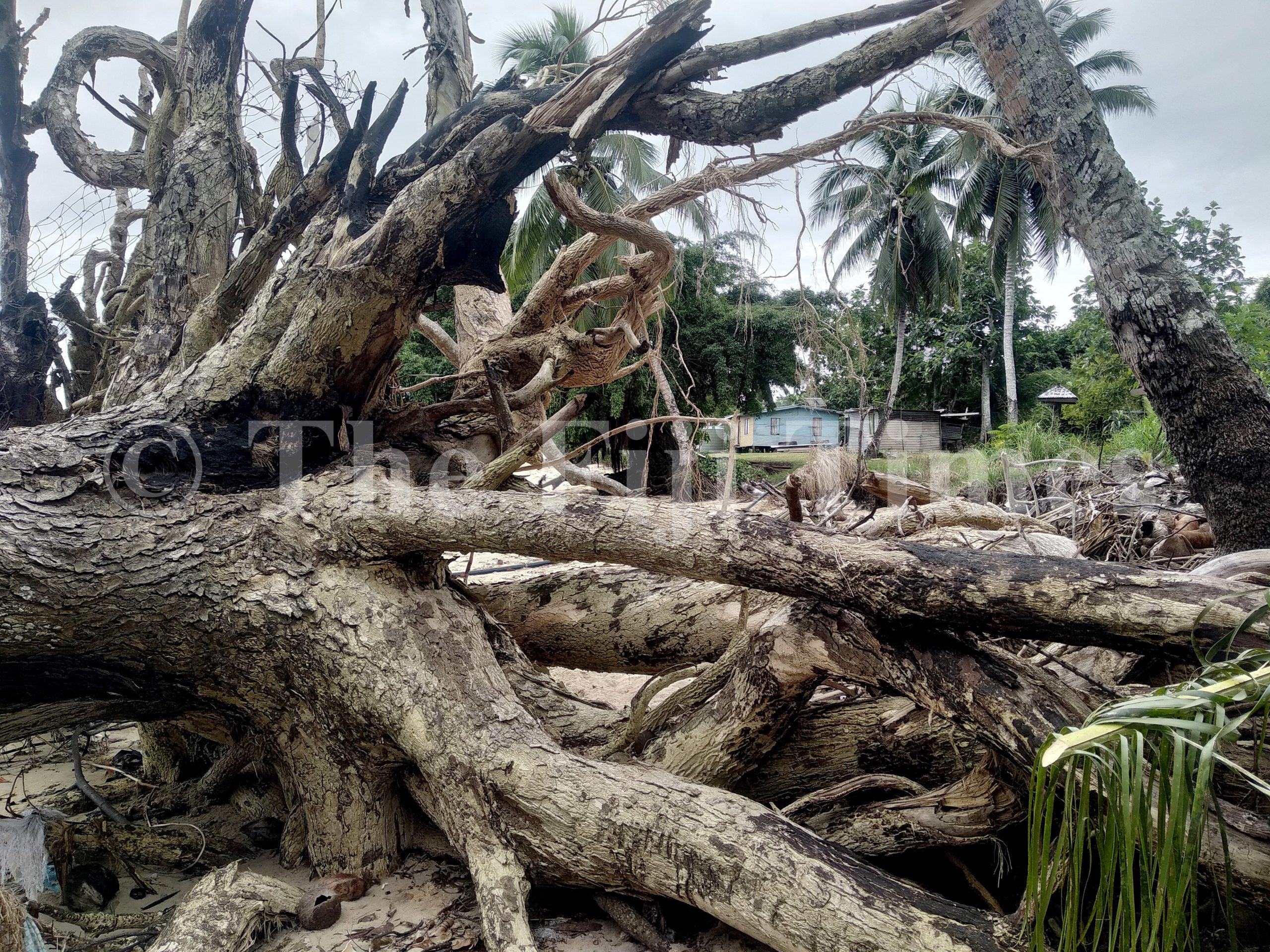
Fiji is losing $500million annually to climate-related events.
This was outlined in the National Development Plan (NDP) report which also mentioned that this amount was equivalent to 5 per cent of the country’s Gross Domestic Product (GDP).
According to the Climate Vulnerability Assessment (CVA) the estimated economic cost of these natural disasters would increase if not strategically addressed.
“Fiji is bound by its commitment to reduce greenhouse gas emissions by 30 per cent by 2030 and achieve net zero greenhouse gas emissions by 2050,” the NDP report stated.
“This is a clear manifestation of Fiji’s leading international role in climate change diplomacy and negotiations.”
The NDP report also highlighted the critical challenges posed by climate change, particularly for Small Island Developing States (SIDS), which are projected to face severe risks, including loss of livelihoods, food insecurity, and large-scale population displacement, even with a global temperature rise limited to 1.5 degrees Celsius.
“Fiji accepts this reality, as it lies on the frontline of adverse climate change impacts and will be facing some of the most severe climate-related challenges in the coming decade.”
Recognising its vulnerability, the Fiji Government is focused on empowering its citizens to adapt to climate impacts.
The NDP integrates climate change responses across multiple sectors, including education, healthcare, housing, infrastructure, and public utilities.
It also emphasises the importance of empowering women and youth in the fight against climate change.
The report stated that through these measures, the government aims to build resilience among its population and ensure sustainable development in the face of growing climate challenges.

