
THE growing link between climate change and human mobility requires solutions that are grounded in communities rather than those imposed through one universal approach.
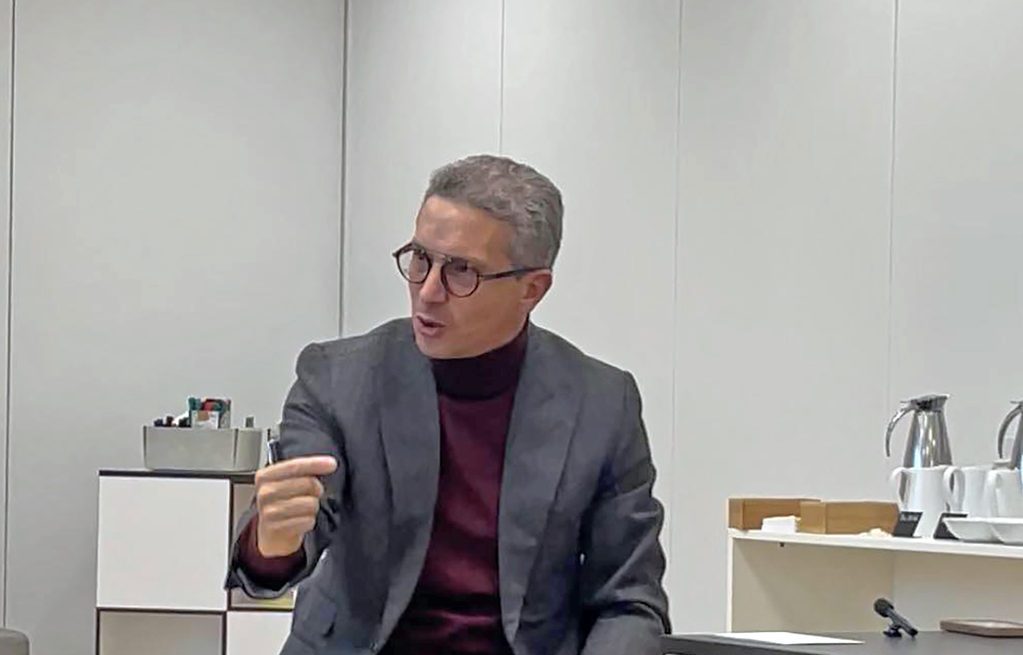
The comment was made by the managing director of the Global Centre for Climate Mobility, Prof Kamal Amakrane, while speaking to journalists in Germany during discussions under the theme Germany’s Global Engagement: The Climate–Peace–Security Nexus.
Prof Amakrane said political decisions were often made behind close doors but the real impacts of climate change were felt by vulnerable communities away from the centre of power.
“The politics is in the rooms, but the difference is always on the ground,” he said.
Prof Amakrane noted for the past six to eight years his work had focused on the connection between the climate crisis and human mobility, an issue increasingly affecting communities worldwide.
“The impacts can be seen across very different regions, from the melting ice in Norway altering the land that Indigenous communities have lived on for thousands of years, to rising sea levels forcing people to move in cities such as Jakarta.”
He said Pacific Island countries, including Fiji, were also experiencing similar climate-related relocations as communities move away from vulnerable coastal areas.
“We’re all impacted by the climate crisis.”
Drawing on his background in peacekeeping, Prof Amakrane compared climate negotiations to conflict mediation, where bridging differences between parties was essential.
However, he said climate change presented a unique challenge because the impacts could not be negotiated with.
“When it comes to the climate crisis, there is one side that just does not listen to you or is deaf, and that is the climate crisis and all its impact.”
He said the global community must increasingly focus on adapting to a changing climate, as stopping the crisis entirely may no longer be possible.
“We have reached the conclusion that we will not be able to stop the climate crisis. Then the question becomes, will we be able to adapt to this new reality?”
According to Prof Amakrane, adaptation cannot rely on a single global formula.
While international institutions often seek universal solutions in areas such as development and human rights, climate adaptation requires approaches that reflect local realities.
He said communities in countries such as Niger, Africa, faced very different climate pressures compared with those living along coastlines and dependent on fishing for their livelihoods.
In some cases, climate change forces people to completely change how they live and work.
“It’s like asking somebody who has been working with computers tomorrow to work on the field,” he said.
Prof Amakrane stressed that adaptation was a gradual process that must be shaped by communities themselves.
“It’s a community exercise,” he said, adding that strong communities were essential to helping people adapt to climate pressures while maintaining social cohesion.
He said adaptation depended on the relationship between people and their communities, a dynamic that is often overlooked in broader policy discussions but remained central to how societies respond to climate change.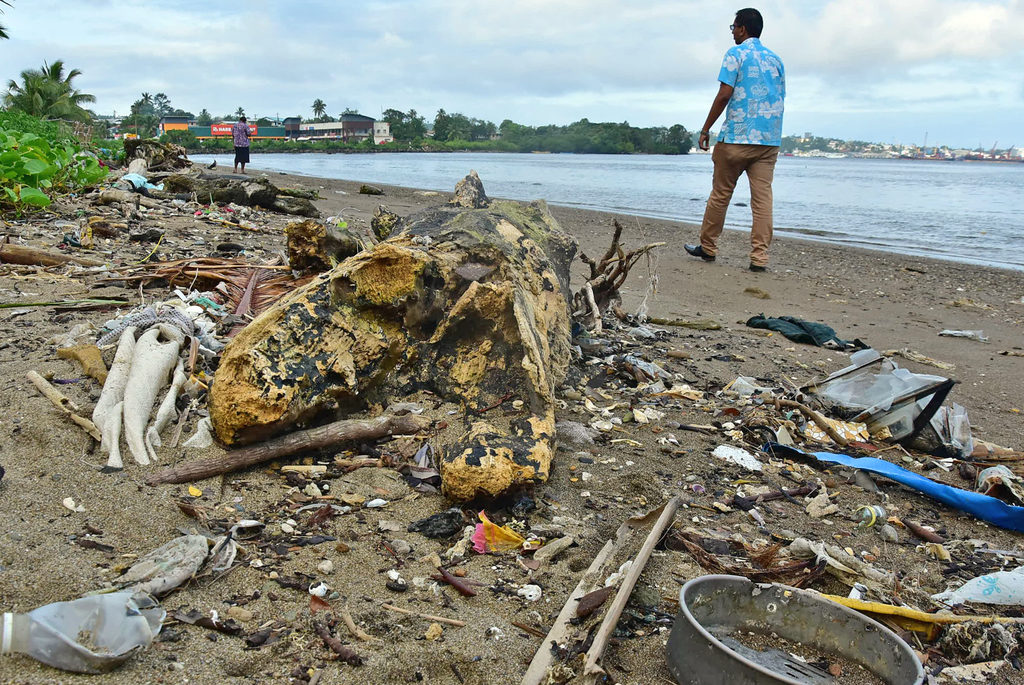
Prof Kamal Amakrane says Pacific Island countries, including Fiji, are also experiencing similar climate-related relocations as communities move away from vulnerable coastal areas. Picture: JONACANI LALAKOBAU

