
HIGH blood pressure, or hypertension, is one of the most common health problems in Fiji today.
Many of us know it can cause heart attacks, kidney disease, or strokes — but did you know it can also damage your eyes? The condition is called hypertensive retinopathy, and it is often silent until vision is badly affected.
What is hypertensive retinopathy?
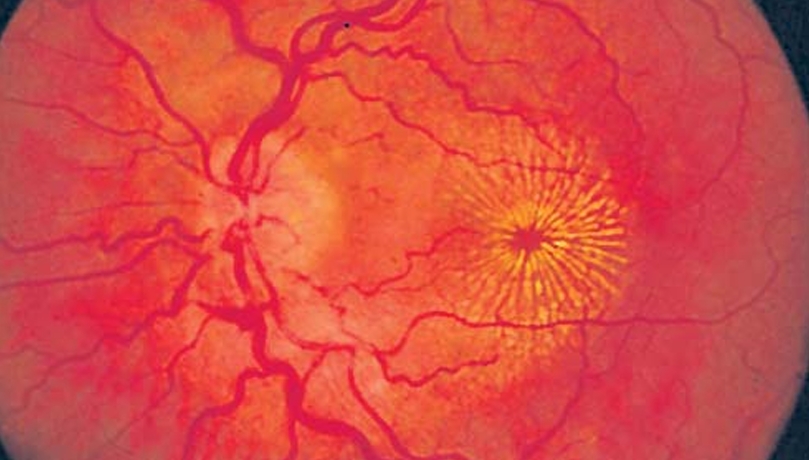
Inside our eyes, we have a thin layer called the retina, which works like the film in a camera. It helps us see clearly by receiving light and sending signals to the brain. The retina has very delicate blood vessels, and when blood pressure stays high for a long time, these vessels become weak, narrow, or leaky. This damage is what we call hypertensive retinopathy. If it is not picked up early, it can lead to blurred vision, difficulty seeing at night, and in severe cases, permanent loss of sight.
Why Fijians should be concerned
Hypertension is becoming more common in Fiji due to lifestyle changes — such as eating more processed foods, lack of exercise, smoking, alcohol use, and increasing rates of obesity and diabetes. Many people are not even aware they have high blood pressure until complications appear.
Because the eye is one of the first places where damage can be seen, an eye examination can sometimes reveal early warning signs of hypertension before other symptoms develop.
Symptoms to watch out for
In the early stages, hypertensive retinopathy does not cause pain or obvious vision changes. That is why it is so dangerous.
When symptoms do occur, they may include:
Blurry or dim vision
Headaches with vision changes
Seeing dark spots or areas missing in your sight
In advanced cases, sudden loss of vision
But remember: by the time these symptoms appear, damage is often already advanced.
How it is detected
During a simple eye check, your optometrist or ophthalmologist can look into the back of your eye using a special light or camera.
If there are signs of hypertensive damage — such as narrowed blood vessels, bleeding, or swelling — they will immediately advise you to see a doctor for blood pressure management.
This makes regular eye tests extremely important, especially if you already know you have hypertension, diabetes, or a family history of these conditions.
Treatment and prevention
There is no direct “eye medicine” that cures hypertensive retinopathy.
The best treatment is controlling your blood pressure and improving your lifestyle.
Doctors may prescribe tablets for blood pressure, sugar, or cholesterol.
Alongside medication, you can protect your health and your eyes by:
Eating more fresh fruits, vegetables, and local foods instead of salty or oily processed meals
Staying physically active — walking, gardening, or playing sports regularly
Reducing alcohol and avoiding smoking
Maintaining a healthy weight
Having regular medical and eye check-ups
In severe cases where vision is affected, hospital-based eye treatments may be needed, such as laser or injections, but these are usually only necessary when blood pressure has been uncontrolled for a long time.
A simple step to save vision
The good news is that hypertensive retinopathy is preventable.
By controlling blood pressure and getting regular eye exams, you can protect your sight and your overall health.
In Fiji, many people only visit the eye clinic when their vision becomes poor. But by then, damage may already be permanent. Instead, make eye checks part of your regular health routine — just like checking your blood pressure or sugar
Final Message
Hypertensive retinopathy may sound complicated, but its message is simple: take care of your blood pressure, and you will take care of your eyes.
Let us encourage our families, friends, and communities in Fiji to eat healthier, be more active, and have regular health checks. Protecting your eyesight means protecting your future.

