WITH Fiji’s rich natural environment of lush flora, diverse fauna, and abundant rivers and coastal areas, health professionals are raising awareness about increasing cases of eye irritation and infections linked to everyday outdoor activities.
Hidden dangers in common activities
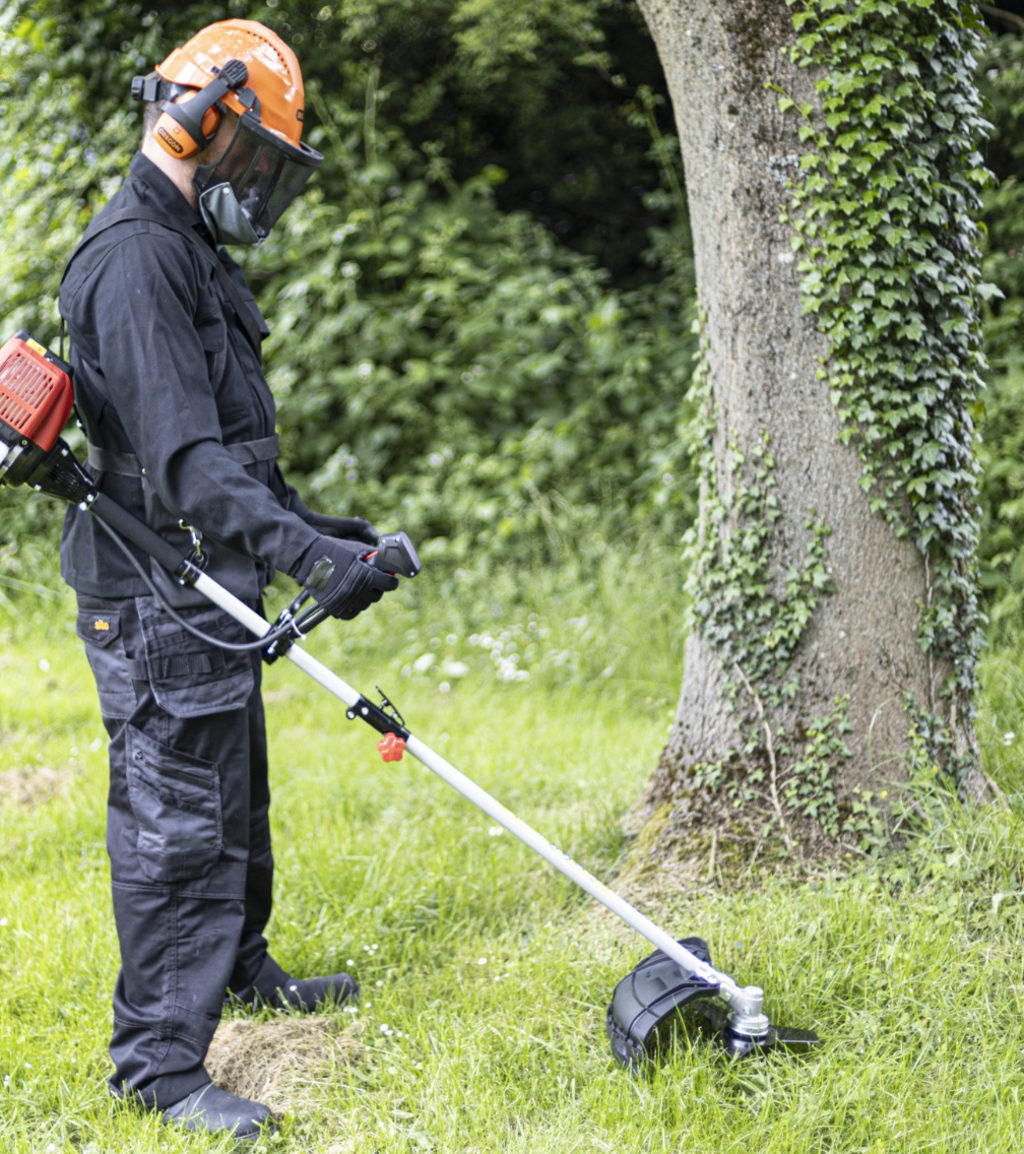
Grass-cutting machines can propel dust, plant particles, and small debris into the air at high speed. Without proper eye protection, these particles can easily enter the eyes, causing irritation, scratches, or even infection. Similarly, swimming in rivers and the ocean exposes individuals to microorganisms, sand, and other foreign particles that may lead to eye infections. Natural water sources, although refreshing, can carry bacteria and contaminants that are not visible to the naked eye.
Simple precautions can make a big difference
Health experts strongly recommend wearing sunglasses or protective eyewear when operating grass-cutting machines or spending extended time outdoors.
This simple measure can significantly reduce the risk of foreign objects entering the eyes. Swimmers are also encouraged to be cautious, especially in areas where water cleanliness may be uncertain.
Avoid opening eyes underwater in unfamiliar or untreated water environments.
What to do — and what not to do
If a foreign object enters the eye, it is important to remain calm and avoid rubbing the eye, as this can worsen the injury or push the particle deeper. One critical warning from eye-care professionals is to never use external or unsterilised materials such as cloth, sticks, or fingers to remove foreign objects from the eye. These methods can introduce infection and cause further damage. Instead, individuals should seek immediate attention from a qualified eye specialist or healthcare provider who can safely assess and treat the condition.
Protecting vision for the future
Eye health is often overlooked until problems arise. In a country like Fiji, where outdoor activities are an essential part of life, awareness and prevention are key to maintaining good vision. By taking simple precautions — wearing protective eyewear, avoiding risky habits, and seeking professional care when needed — Fijians can continue to enjoy their natural surroundings while safeguarding their eyesight.
Take action: Schedule your eye check-up today
Don’t wait for symptoms to appear. Regular eye check-ups can help detect issues early. Visit your local eye-care professional or health centre to ensure your vision is protected for life.
Health authorities encourage communities to share this information widely to reduce preventable eye injuries and infections across the nation.
Karma Gyatso is the resident optometrist at Asgar Optometrists in Ba.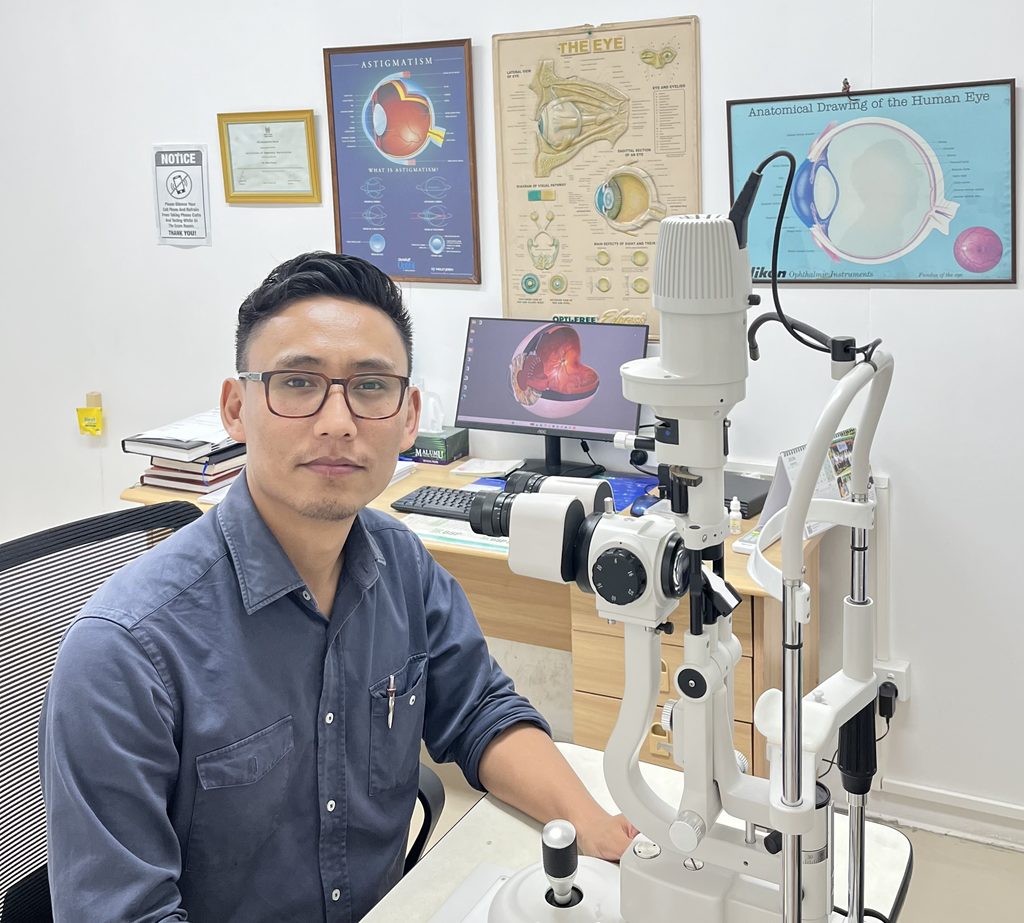
Resident optometrist Karma Gyatso. Picture: SUPPLIED