
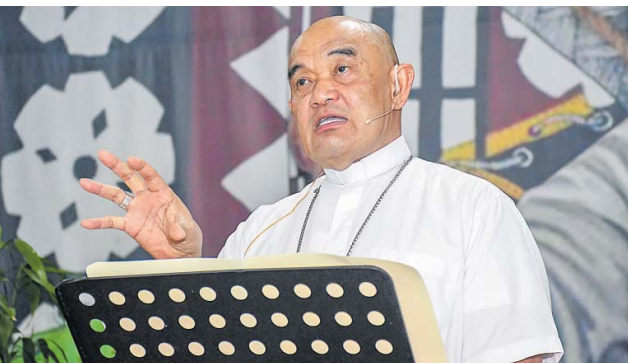
Fiji’s Roman Catholic Church leader has delivered a blunt reminder that faith and culture are meant to strengthen people – and not exhaust them.
Archbishop Peter Loy Chong made the comment amid growing concern that financial pressure tied to religious and cultural obligations is fuelling burnout across families.
He said the church was seeing two clear sides to culture and church obligations, one life-giving, the other potentially harmful if misunderstood or misapplied.
“Culture and church contribute to people’s ability to face life challenges and life transitions; passing on values and principles,” Archbishop Chong said.
He said culture, custom and religion played a vital role in teaching values that help people navigate hardship, stress and major life changes.
But he warned problems arise when the meaning of Church is reduced to money.
“The important question: How does one understand church?”
“Church religious practices, prayer meetings, small community bible sharing, meditation helps one deal with life’s challenges, stress, mysteries. However, if the church is merely about financial obligations, this can put stress on peoples’ well-being.”
Archbishop Chong stressed that both the church and culture exist to uplift people, not burden them.
“Church and culture is to serve people’s development and dignity.”
He acknowledged that some churches place heavy emphasis on tithing or donations, a trend that can distort the core message of faith.
“Church is first and foremost about spreading the values of God’s kingdom.”
Archbishop Chong said the issue was becoming increasingly important across the Pacific, particularly in communities reliant on foreign remittances.
He also cautioned against the growing influence of the so-called prosperity gospel.
“There is a ‘Gospel of Prosperity’ preaching that focuses on the blessings that God will give when you give to the church.
“Giving for Return: Donating to the church or religious causes is seen as a way to sow for a greater financial harvest from God.”
He warned that such thinking risks shifting faith away from service, compassion, and dignity and towards pressure, expectation and emotional strain.

