
Its not every day that you get to witness an iTaukei traditional fishing method called yavirau.
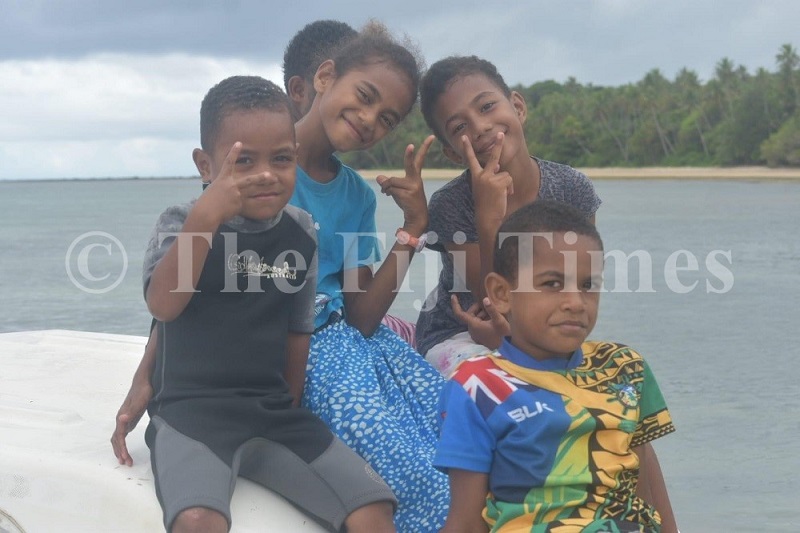
A few children from Suva had the privilege to witness and participate in a yavirau led by villagers in Gau.
Yavirau is practiced along the coastal shore. It is where many people man a scare-line that encircles fish and hauls them in.
It is only practice on special occasions. Before the children or visitors from Suva can enjoy village life, they must first present their isevusevu to seek permission and blessings upon their stay.
Vadravadra villager, Lenaitasi Gukinaivalu Uluiviti said traditional protocols had to be adhered to before they could enjoy their stay.
“During the presentation the children were told that the ocean was free, and I think that was one of the reasons why they enjoyed their Christmas and New Year in the village,” he said.
“They have been swimming regularly, enjoying the qiri kava (beating tins) sessions to mark the New Year and the veisui (splashing water on each other).”
He said the children this year are lucky to witness and be a part of the yavirau.
“There has been a tabu around our waters throughout the year and we are only permitted to fish during Christmas and New Year,” he said.
‘This year we have done the yavirau twice – the children watched attentively as we did it.”
He said they collected different types of fish from the yavirau. He added that was how most traditional fishing practices were done in the vanua – it is usually a communal activity.
Activities like that have been a highlight for the children who have travelled from Suva to spend their holiday in the village.
“Most of these children see buildings, roads and cars every day but when they come to the village it opens up a whole different viewpoint, especially seeing how wide the ocean is,” he said.
“They also see the cleanliness of the village grounds and how they are well cared for in the village.
Here, they eat fresh food daily.
“It’s so good to see that they are enjoying themselves.”
He said they are grateful they could share such moments with the children before they start school.
The children will continue to witness other important village activities before they return to the capital.

