
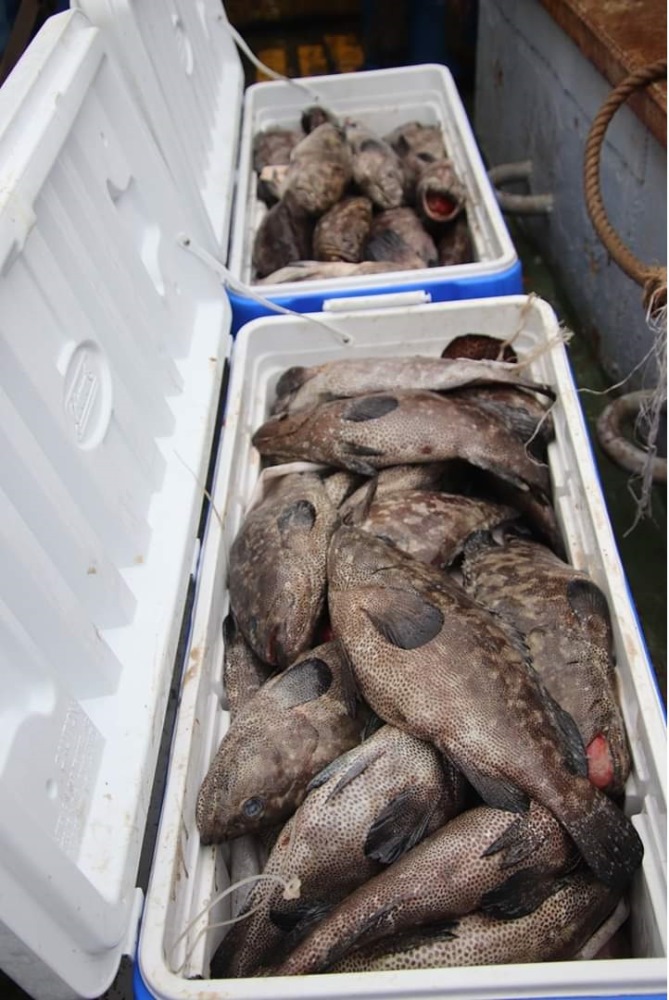
As Fijians struggle with the impacts of COVID-19, a call is still being made requesting people to forego kawakawa and donu during the peak breeding months that began on June 1 and will end on September 30.
Non-profit organisation cChange said this move would protect the nation’s food security.
“With Fijians facing more and more prolonged challenges from COVID-19, it becomes even more critical to protect the nation’s food security, and to do that, Fijians are better off letting these fish breed,” said manager Mafa Qiolele.
“It’s simple; save them now, have more later. We also understand how challenging times are now, so we ask everyone to ‘keep the pledge,’ if you can.”
Ms Qiolele said kawakawa and donu, known as grouper in English, were particularly vulnerable to overfishing because they gathered predictably each year in the same channels to breed.
“Those sites are often fished heavily, particularly for high-volume commercial fishing, leaving few fish behind to restock Fiji reefs.”
He said 80 per cent of known breeding sites in Fiji were declining or gone.
“Fishing breeding sites potentially shifts the benefits to a smaller number of commercial fishers who can take large volumes of fish during the breeding months.
“Instead, letting the fish release their eggs and return to community fishing grounds across Fiji can provide more people access to the fish, the rest of the year and for years to come.”
In 2020 Government lifted the ban for part of August and all of September last year, because it said it wanted to provide relief to fishers while it had not made any announcement that it would pursue similar actions this year.

