
A MULTI-FACETED approach involving compulsory school programs and increased community dialogue is essential to combating the nation’s narcotics problem.
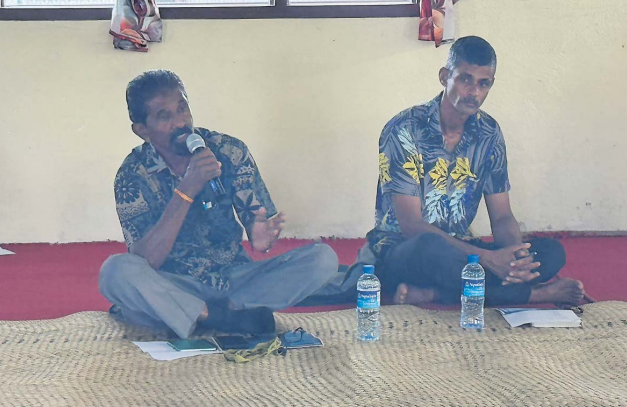
Speaking during the Counter Narcotics Bill consultation at the Tavualevu Village hall recently, Tavua Town Council special administrator Rajendra Raghlu emphasised the need to distinguish between traffickers and those caught in the cycle of addiction.
Mr Raghlu proposed that rather than piloting programs in select areas, narcotics education should be a mandatory part of the curriculum across the country.
“Rather than piloting, I think we should bring it to make it compulsory in every school,” he said.
“We have student councils in the schools, and they are the leaders looking after the students and assisting the teachers in the school.
“If there is any information of such nature, then it is very easy to pick and to protect, to nip it in the bud.”
Mr Raghlu said such a program should reach every corner of Fiji, regardless of location.
“Whether it is a remote school or an urban school or a very rural school, I believe that needs to come in. So that will assist a lot.”
Beyond the classroom, Mr Raghlu called for inclusive village meetings where the voices of young people are prioritised to understand the root causes of drug use.
“I believe the children should be part of these discussions. We also need to hear some of the reasons why they tend into those.
“They are coming from good families, yet, they tend not to get into this, so we need to listen to these youths as well. What compels them to get into that, there may be some family problems?
“They can be rebellious or maybe they are not given the love and affection that is needed in the community, in the family.”
While acknowledging the scale of the challenge for law enforcement, Mr Raghlu remained optimistic about containing the issue through collective action.

