

Fiji isn’t facing a passing squall.
It’s navigating a full-blown storm.
Across the country, conversations are heavy with unease – political tension, scrutiny surrounding Fiji’s independent institutions and serious legal proceedings involving senior public officials, a worsening drug crisis, rising violence, deepening poverty and a growing sense that the ship of state is sailing far too close to the breakers on the Suva reef.
Many citizens are unsettled. Some are angry. Others are simply exhausted. And when exhaustion replaces confidence, democracies weaken.
Trust, that invisible glue holding a nation together, is feeling brittle. This isn’t merely a political season. It’s a test of national integrity.
History shows that crises don’t automatically destroy nations. But they do expose them. They reveal whether leadership is anchored in competence and character or merely clinging to the raft of power.
Fiji isn’t battling one storm. It’s navigating multiple fronts at once: institutional doubt, economic strain, social decay and moral uncertainty.
The question isn’t whether storms exist. The question is whether Fiji is serious about reform and cleaning up the mess with a national detox.
Rebuilding trust or losing it completely
Stable nations rest on credible institutions. When agencies tasked with safeguarding accountability appear under a cloud, public confidence erodes. Suspicion spreads. Cynicism becomes fashionable. Democracy begins to hollow out and starts imploding from within.
The answer isn’t press conferences. It’s measurable reform coupled with actionable steps to address the pressing issues.
Institutions such as anti-corruption bodies, law enforcement, the judiciary and organisations that look after the interest of employees must operate with visible independence, transparent decision-making and uncompromising ethical standards.
Oversight should be welcomed, not resisted. Appointments must be based on merit not loyalty or cronyism. Public reporting must be thorough not selective.
Trust cannot be demanded. It must be earned. For years, some elderly Fijians have felt deprived by the reduction in their pension rates.
These are citizens who worked through coups, cyclones and economic upheaval. Some have died waiting for resolution. Others continue to wait, not merely for compensation, but for acknowledgement that a grievous breach was committed.
A nation reveals its moral compass in how it treats its elderly and Leviticus 19:32 spells it out clearly. Legal technicalities may defend decisions. They don’t heal wounds.
If money was wrongly taken, restitution is not optional, it’s restorative justice. If decisions were flawed, accountability isn’t political theatre. It’s moral responsibility.
The drug crisis: A generational emergency
If institutional trust is one front, methamphetamine is another and it’s far more destructive.
Highly organised drug networks aren’t simply a policing issue. They’re a national security threat. Addiction shatters families, fuels violence, erodes productivity and robs a country of its next generation.
The response must be decisive and layered. Strengthened border controls and regional intelligence cooperation. Specialised drug courts to fast-track cases. Expanded rehabilitation and reintegration programmes. Early prevention education in schools and villages. Structured support for affected families.
Enforcement alone will not win this fight. Nor will soft rhetoric. A nation that fails to protect its youth forfeits its future.
Poverty is not a side issue
Economic hardship isn’t merely unfortunate. It’s destabilising.
When unemployment rises and hope evaporates, crime follows. Domestic tension escalates. Social cohesion fractures.
An economy overly dependent on tourism is vulnerable by design. Diversification is no longer an academic discussion. It’s a survival strategy.
Agriculture, fisheries, renewable energy, digital services and small enterprise development offer resilience. Welfare must be tied to skills and pathways into work. Rural micro-financing and public–private job partnerships can stimulate grassroots growth.
Dignity through employment is one of society’s strongest stabilisers.
Without it, frustration festers.
National dialogue with teeth
Calls for unity cannot remain ceremonial.
A structured National Unity Dialogue Initiative (NUDI) that’s inclusive of government, opposition, faith leaders, youth representatives and both iTaukei and Indo-Fijian communities could provide a platform for constructive engagement and collaboration for solving issues directly related to our youth.
Not to rehearse old grievances. But to reaffirm shared commitments: constitutional respect, economic opportunity, cultural harmony and long-term stability.
Fiji’s multicultural fabric isn’t a weakness. It’s an asset.
But assets must be protected through intentional leadership, not assumed.
Leadership beyond power
Instability exposes governance weaknesses. Merit-based appointments, performance audits of ministries and clear accountability benchmarks aren’t bureaucratic luxuries. They’re necessities.
Leadership within the public service must cultivate competence, not merely compliance.
Power without integrity corrodes. Authority without accountability destabilises. Yet renewal cannot rest solely in Parliament.
Citizens shape culture through civil discourse, responsible media engagement and active democratic participation.
Outrage may spark reform. Only discipline sustains it.
The defining choice
Fiji has endured coups, cyclones and economic shocks. Each time, resilience carried the country forward. But resilience without reform simply delays decline.
This moment demands:
Transparency over secrecy, institutions over personalities, diversification over dependency, and unity over division.
Restoring trust will not happen overnight. Repairing “broken” systems requires courage. Healing social wounds demands humility, especially from those in power.
Fiji possesses formidable strengths: a youthful population, strategic geography, regional partnerships and deep cultural roots.
Above all, it possesses ordinary citizens who still rise early, work hard and hope quietly. The market vendor before dawn.
The farmer in uncertain soil. The teacher who refuses to give up on a child. The faith leader and volunteer who hold communities together when policies fall short. Nations are not ultimately steadied by authority.
They’re steadied by character especially when that character flows from the highest offices in the land. Fiji now stands at the helm in stormy waters.
We can drift deeper into dysfunction. Or we can steady the wheel and choose reform. The storms are real. So is the responsibility to confront them without excuses, without spin and without delay.
History will record what we chose. And future generations will live with the consequences.
COLIN DEOKI lives in Melbourne, Australia and is a regular contributor to this newspaper. The views expressed in this article are his and not necessarily of this newspaper.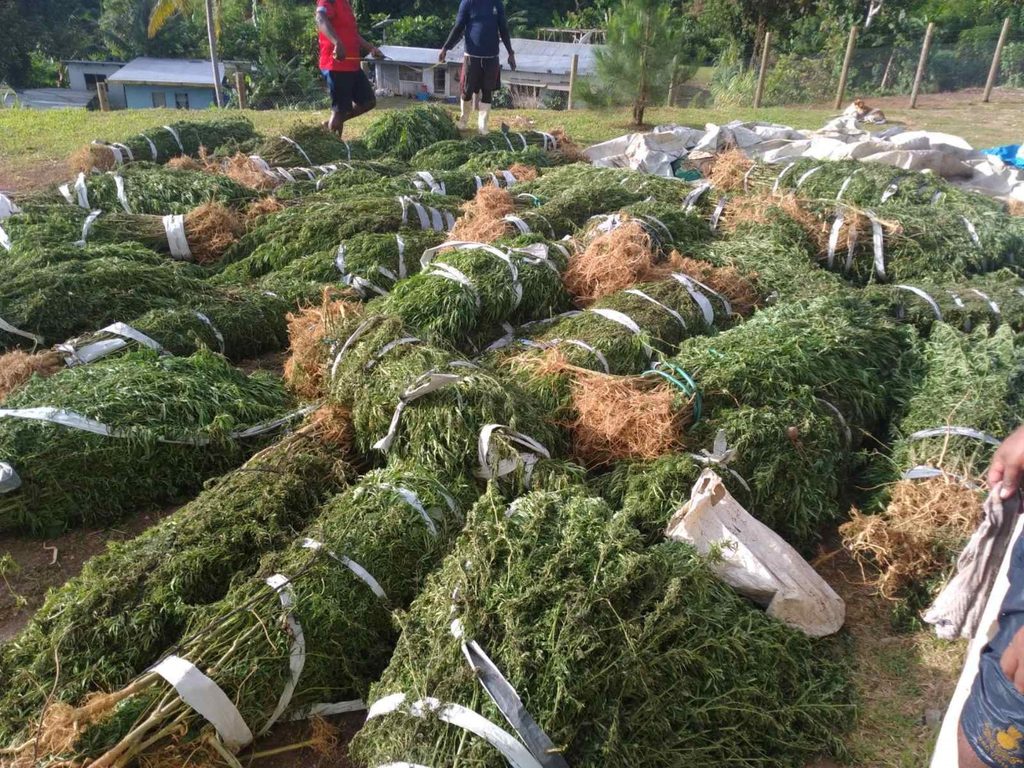
A Fiji drug haul in 2022. Picture: FT FILE/SUPPLIED

