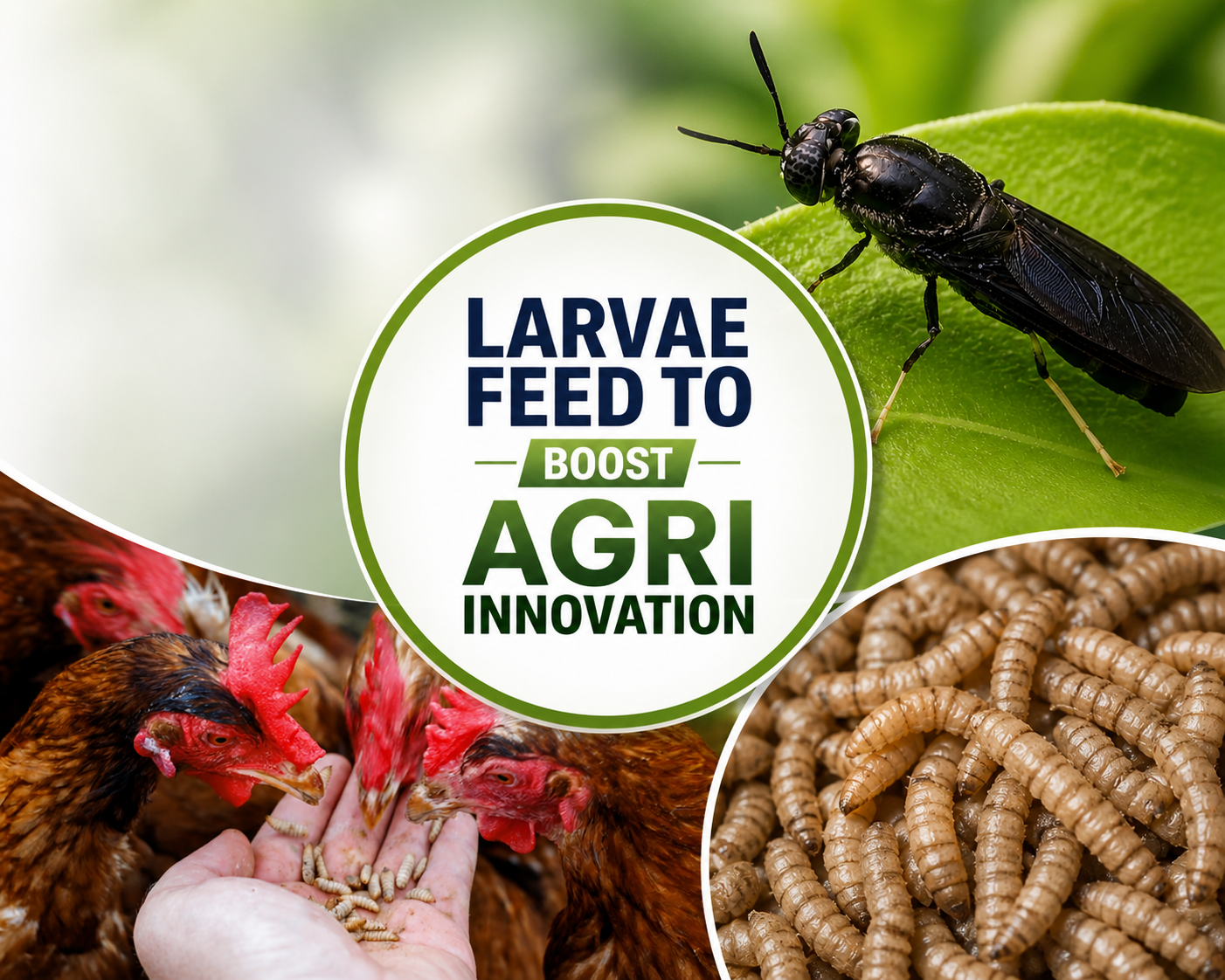
The use of black soldier fly (BSF) larvae as a low-cost protein source for livestock is showing strong potential in Fiji, but delays in implementation could affect when farmers benefit, Parliament has been told.
Minister for Agriculture, Waterways and Sugar Industry Tomasi Tunabuna told Parliament said the initiative could significantly reduce waste, lower feed costs and boost food security.
“The mature larvae are a valuable source of protein, highly sought after by livestock farmers for animal feed,” he said, adding that the technology also supports a “circular economy” by converting organic waste into usable products.
According to the minister, trials have demonstrated multiple benefits, including waste reduction, environmental gains and the production of organic fertiliser from by-products.
The project, being implemented in partnership with the Fiji National University and supported by international agencies, is currently in its second phase, focusing on scaling up insect-based livestock feed production.
“Fiji presents a strong opportunity for sustainable feed production, given the abundance of organic waste and suitable tropical conditions,” he said.
However, he acknowledged that the commercial rollout may take time.
“The extended vetting processes may delay the implementation and completion of the project, thereby impacting the timely availability of BSF for commercial use by farmers,” the minister said.
Once fully implemented, the initiative is expected to reduce reliance on imported feed ingredients such as fishmeal and soy, while improving productivity in the livestock sector.
The minister said ongoing research, training and stakeholder engagement would be critical to ensuring the successful adoption of the technology across Fiji.