
THE two-way trade between Fiji and New Zealand has breached the $2billion regional threshold, signaling an increasingly balanced economic relationship as the head of the New Zealand-based bilateral business council prepares to step down.
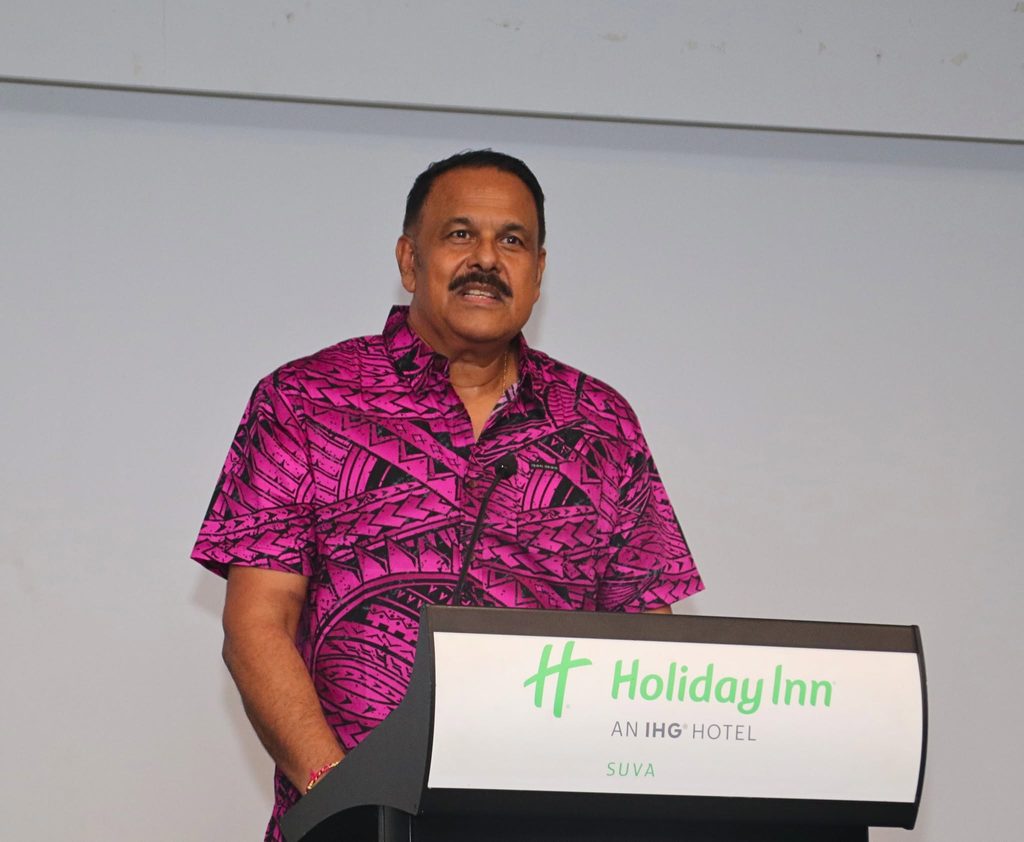
Outgoing New Zealand Fiji Business Council (NZFBC) president Chandar Sen confirmed the trade milestone during his final address at the FNZBC-NZFBC 2026 joint conference in Nadi yesterday – after 14 years of serving in the role.
Under his leadership, the council expanded from 40 members to approximately 200, making it the largest bilateral business council in New Zealand.
While acknowledging minor discrepancies with official ministerial data, he also outlined the current trade balance.
“Now, here’s the facts: New Zealand exports to Fiji are valued at around $NZ860 million annually. Fiji’s exports, from what I gather, to New Zealand now exceed $NZ540m,” Mr Sen said.
“Now, these figures tell us something important – this relationship is becoming increasingly balanced and if you look at it on a per capita basis, the balance is in favour of Fiji.
“$NZ540 million with 1 million people, $NZ860m with 5 million people, so Fiji wins that one. So, there is a good sense of balance here, and if you added services, the Minister mentioned $360 million tourism, then Fiji actually outstrips New Zealand in trade, in goods and services.”
Reflecting on his departure, Mr Sen highlighted key policy victories achieved through structured dialogue with governments, including a 50 per cent reduction in citizenship application costs for former citizens, the removal of pre-application requirements for business visas, and Fiji’s removal from the EU tax blacklist.
“This is my final appearance at a forum such as this in Fiji as president of the New Zealand Fiji Business Council. After 14 years in the role, I leave with enormous optimism.
“Governments will change, markets will fluctuate, policies will evolve, but relationships will endure.
“The friendships built around our council table, the trust developed between our businesses and government, and the connections between our people will outlast all of us.”

