
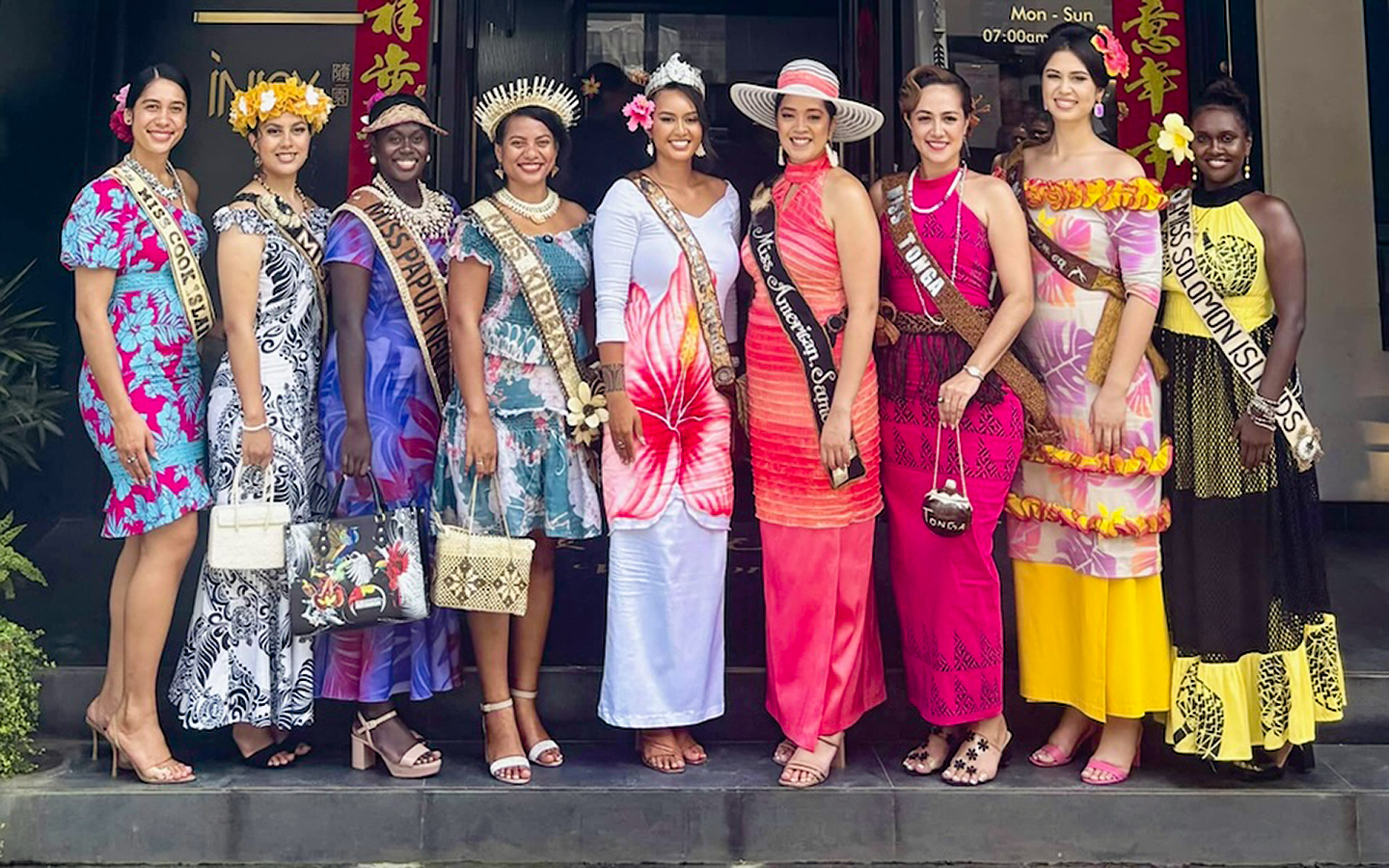
Men Empowerment Network (MEN) founder and director Paul Morrell has questioned whether beauty pageants in Fiji have become a normalised form of exploitation amid ongoing public debate following allegations of bullying and body shaming involving the Miss Fiji Pageant.
Mr Morrell was responding to a question from The Fiji Times on whether efforts to promote gender equality may have unintentionally contributed to new forms of marginalisation, particularly of women.
He said events such as major beauty pageants had become so ingrained in society that their underlying impact was rarely scrutinised.
“Beauty pageants, Hibiscus and all of that, what are they really?” Mr Morrell asked.
“They are forms of exploitation of women, but nobody sees it that way because it has become so normalised in our lives.”
His comments come as public attention remains focused on allegations made by Miss Fiji 2025, Dr Peggy Ravusiro, who has claimed she was subjected to bullying and body shaming by pageant officials.
Mr Morrell said women were routinely placed on public stages where their appearance, movement and speech were judged, often in environments heavily influenced by commercial interests.
“Women are exploited on stages where businessmen throw money at them, while the community judges how they look, how they dance, how they speak,” he said.
He likened modern pageants to historical practices in which women were put on display and assessed primarily on physical appearance.
Mr Morrell argued that society was repeating the same behaviour under the guise of empowerment.
“We tell ourselves this is women’s empowerment, that they get to show their talent.
“But when you step back and examine it properly, you begin to see the truth. This is the exploitation of our young girls.”
Mr Morrell said young women should instead be encouraged to embrace their individuality and self-worth, without being subjected to rigid expectations.
“We should be telling them, you are beautiful just as you are, your height, your weight, you are beautiful just as you are,” he said.
He also questioned why there had been limited public criticism from women’s organisations.

