
Concerns about the use of Fiji’s ports of entry as transit points for drug couriers is not new.
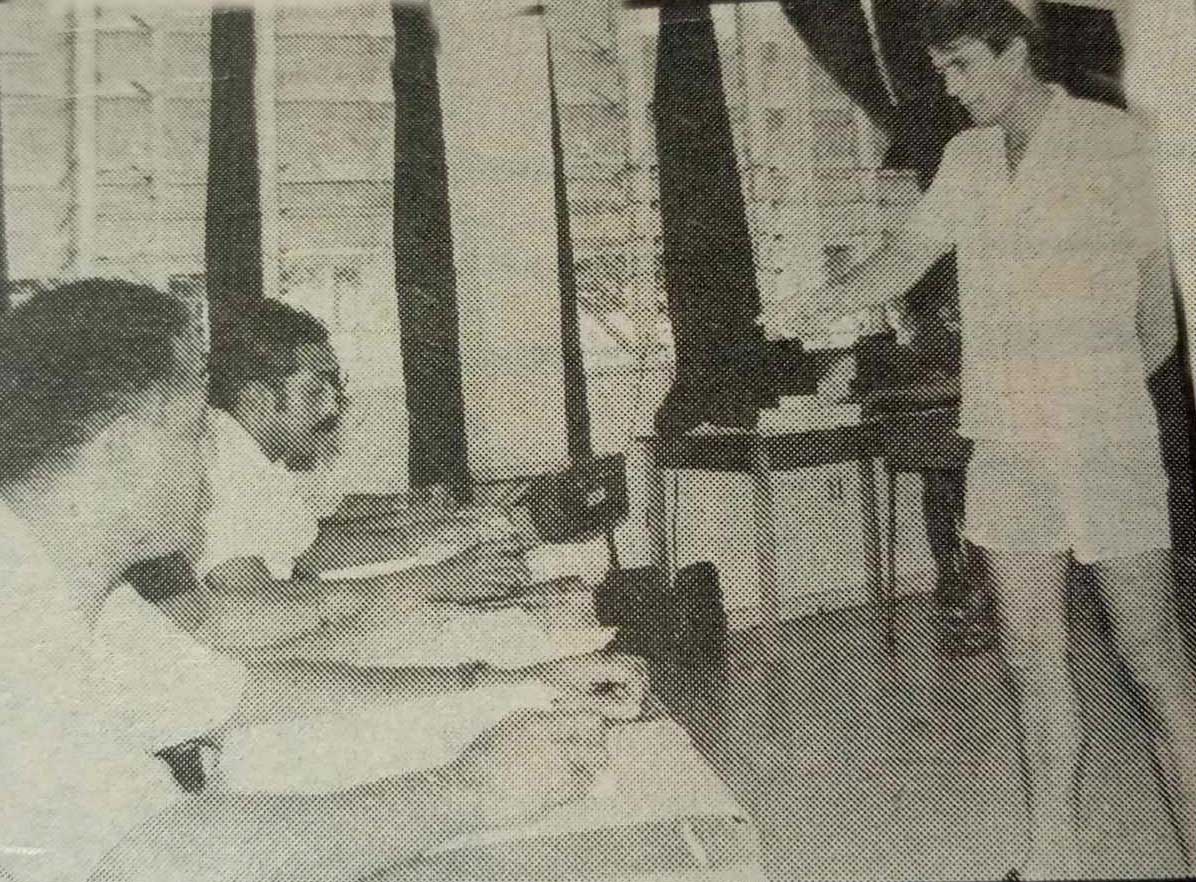
On March 12, 1984, The Fiji Times reported that New Zealand drug detection specialist, Inspector Wally Hayes, who was in Suva for a Detection and Recognition of Drugs course, had raised the issue of our national airport being used as a transit point.
The week-long course was sponsored by the United Nations for the benefit of police, Customs, and Immigration officers.
Inspector Hayes told participants that no one had any interest in transit passengers, and they were more likely to carry drugs from places such as the West Coast of the United States and Southeast Asia, to Pacific countries such as Australia and New Zealand.
He said authorities needed to cooperate to fight the illegal trafficking of drugs.
“Unless the Fiji police, the Customs and Immigration authorities have hard information, it is impossible for them to do much work,” he told the course participants.
“Therefore, police and Customs agencies need to pass on all the information they get.”
Inspector Hayes had further said that the standard of drug detection in the country was limited but that officials were competent in dealing with drug related matters.
“The main problem here is public empathy.
“An average person on the street does not really want to know about drugs, but when their sons and daughters are involved, then it’s different.”
Inspector Hayes was accompanied by Detective Inspector Govind Raju of Lautoka and Chiefs Customs Officer Robert Raylor of the National Drug Intelligence Bureau in Wellington, New Zealand.

