In the Fiji we know today, traditional gifts once common among certain villages have become increasingly rare. Bone healers in Nadraumai, stye healers, burn healers — these skills have faded over time.
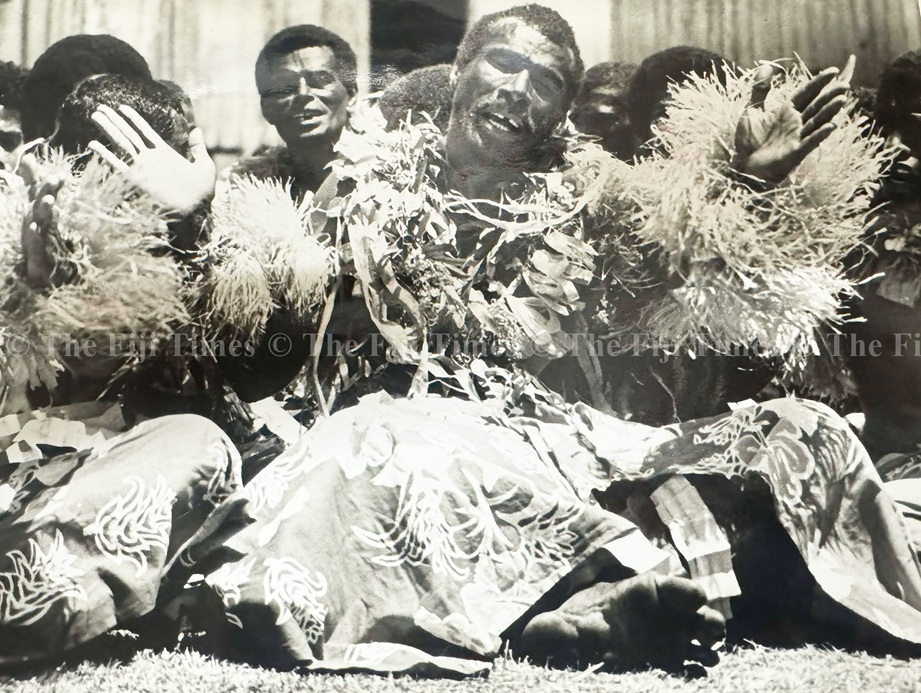
On October 4, 1999, The Fiji Times shared the story of one man whose gift has endured – Meli Bulimaitoga of Navunilevu Village, Bua, known as a master composer of vucu and meke.
Meli’s extraordinary talent came unexpectedly.
“While sleeping one night,” he recalled, “an old Fijian man came by my bedroom door and asked if I wanted to eat vakalolo.”
Unsure whether he was seeing clearly and slightly apprehensive, Meli quickly agreed. Seconds later, the old man appeared carrying a basket of the delicacy.
But within the basket, Meli noticed something unusual. Scary thoughts ran through his mind. Then, in a soft voice, the old man told him, “I have come to give you a gift.” At the time, Meli was 23 years old, yet he would go on to become one of Fiji’s top meke composers.
Known as Dau ni Vucu, Meli’s role was to compose Fijian meke with accompanying actions.
“The old man asked me if I wanted to learn some new things.”
He was given precise instructions, which he accepted, marking the beginning of his journey as a master of this traditional art.
Meli described how the words and movements came to him naturally.
“I can be out fishing at sea, in the plantations, or even drinking kava when the meke forms in my mind.”
He is not allowed to write the words down immediately.
“If I do, the words will automatically disappear.”
After a week, when the chorus and actions were complete, he committed them to paper.
Teaching was also part of his gift. Meli could instantly recognise who was serious about learning meke and who was simply there for amusement. He had travelled to most
Fijian villages to share his knowledge, charging only for travel, accommodation, and food.
“I don’t want to be paid. I believe if I start to charge fees, I might lose my gift.”
Even with numerous offers from other villages, Meli remains grounded in Vanunilevu Village, tending to his farm when he is not composing or teaching.
His dedication not only preserved an ancient tradition but also inspired communities across Fiji, ensuring that the rhythm, story, and movement of meke continue to live on.