
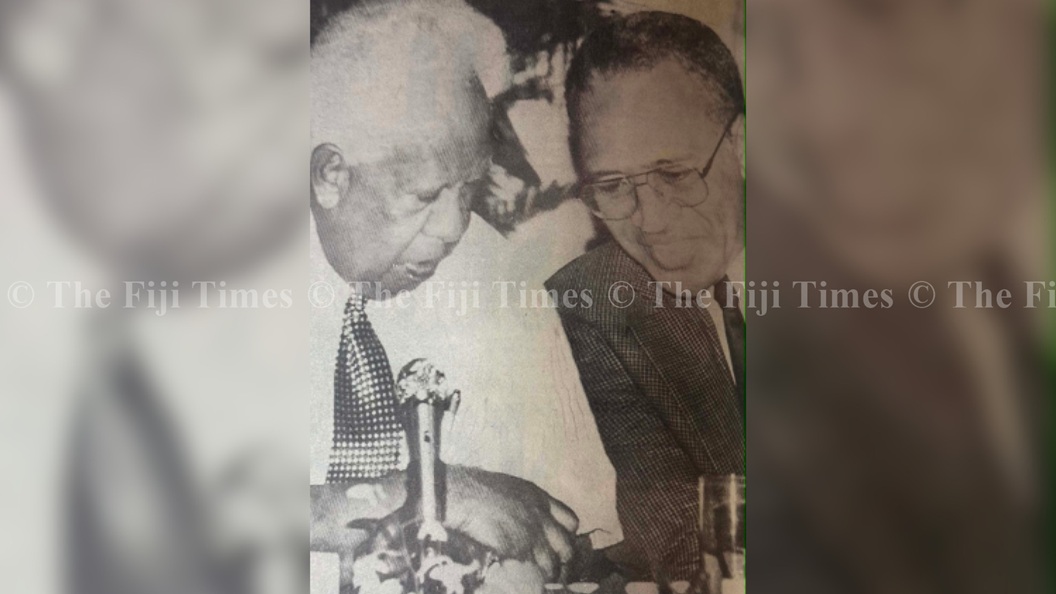
About 30 Pacific government officials took part in a meeting to explore the future relationship between the European Union and African, Caribbean and Pacific (ACP) states in 1997.
According to an article published by The Fiji Times on May 24 that year, finance minister Berenado Vunibobo said trade preferences given to Pacific states by the European Union had been crucial in ensuring the stability and development of their economies.
Mr Vunibobo said the trade agreements allowed guaranteed access of Pacific exports into the EU markets at very reasonable prices.
“They have led to the development of industries, with their backward and forward linkages, which would be in danger of being wiped out if the trade preferences are removed,” Mr Vunibobo said.
Mr Vunibobo said the EU had outlined issues and options for a new partnership in the Green Paper.
“The Green Paper offers some advice to Pacific ACP states on how the interests of our region can be advanced through the process leading up to the post-Lome negotiation.”
The Fiji delegation included Sugar Commission of Fiji chairman Gerald Barrack, Sugar Cane Growers Council chief executive Grish Maharaj, Fiji’s Ambassador to Brussels Kaliopate Tavola and Fiji Trade and Investment Board director Jesoni Vitusagavulu.
Seminar chairman Bernard Petit said the debate on the Green Paper gave a unique opportunity for ACP and EU countries to reassess the relationship.
Mr Petit said the weaknesses of Lome Convention should be reconsidered.
The seminar, which debated the Green Paper, a document outlining issues and options for a new partnership, ended with a press conference.

