
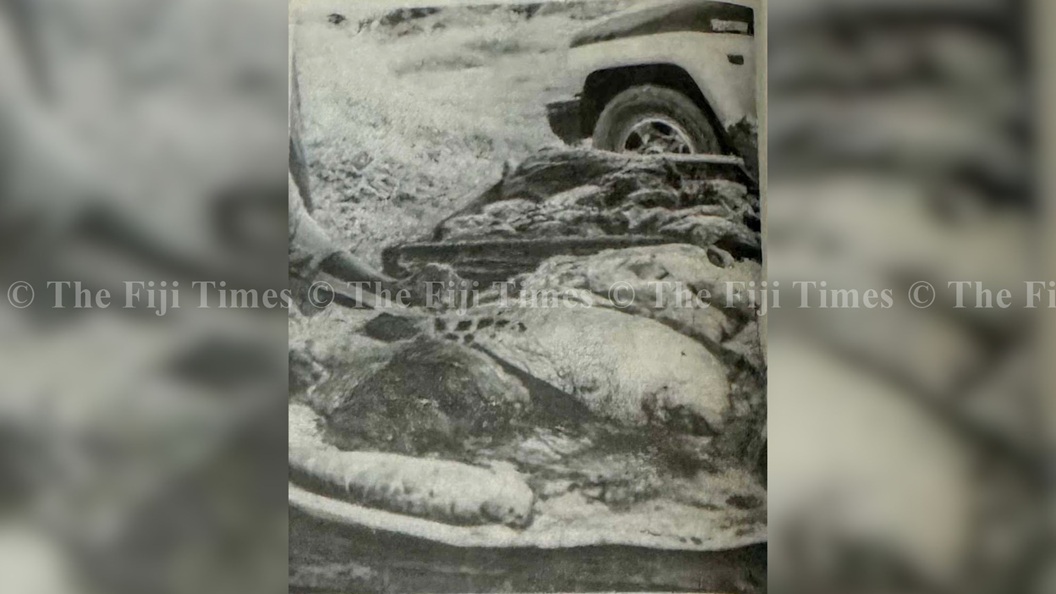
The ban to protect all marine turtles, including the critically endangered Hawksbill, Leatherback, Loggerhead, and Green turtles started in the late 90s as the world saw a drastic decline in the numbers.
The Fiji Times article published on July 5 1997, stated the three-year ban on killing turtles by the Agriculture and Fisheries Ministry was legalised.
The ministry’s public relations officer Kamlesh Prakash said the restrictions stated that “no person during March 1997 to December 31 2000, shall to any way mallet, or take or kill any turtle of any size”.
The restriction clause also stated that no person shall sell, offer or expose for sale or export any turtle shell or meat during the ban period. Mr Prakash said any person found breaking the regulation would be liable for a maximum fine of $500 or a maximum prison sentence of six months. Both sentences can be awarded.
“However, the minister may upon request by any person exempt that person from the provisions of the regulations,” he said.
The ban will allow the Agriculture and Fisheries Ministry to fully address the issue pertaining to the population of sea turtles which reportedly has been decreasing in recent year.
“The sea turtle population in the Pacific region is declining rapidly due to the increased commercial and subsistence harvesting.”
“Other factors that contribute towards the decline of the turtle population include the destruction of natural habitat such as feeding grounds and nestling beaches.”
Resort development and other human interference are reducing nesting areas for turtles.
Mr Prakash said because of the increase in population, coastal people in the region were beginning to kill more turtles for subsistence and commercial use.
The ministry will organise awareness programmes to promote the ban objectively to the people.

