
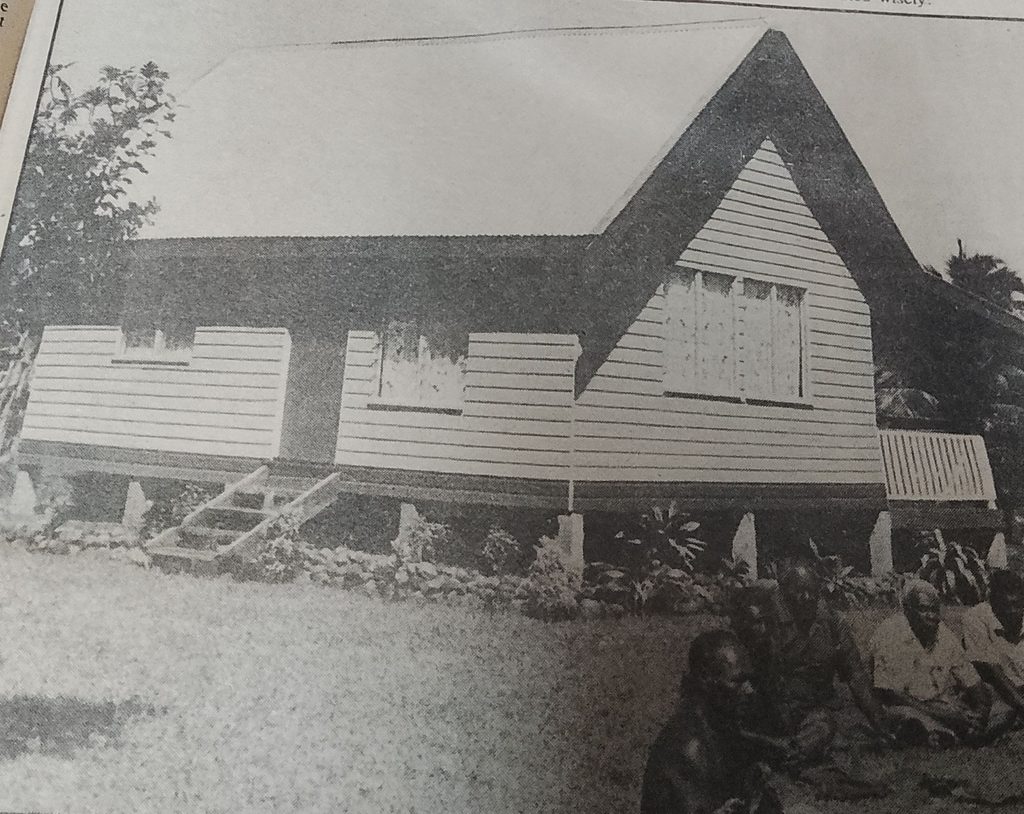
On July 4, 1984, The Fiji Times shared a story about how a chief proposed a housing scheme for two villages, and how it helped them.
Tui Labasa Ratu Tevita Qomate opened 15 new houses that cost $69,000 in two villages near Labasa.
The houses, paid for with a loan from the Housing Authority, were located in the villages of Mataniwai and Raranibulubulu, about 20kms north of the town.
The new two-bedroom timber houses were part of a development scheme started by Ratu Tevita to provide better homes for 23 villagers in Labasa. The loan would be repaid from the villagers’ six-monthly land rents.
Previously, the villagers lived in makeshift houses.
Ratu Tevita said the land rent money would be used wisely and there was no better way than to spend it on housing,
“The members of the Yavusa Kalou, I feel, have invested wisely,” he said.
“The new houses have completely changed the setting in the two villages.
“You can also see the pride in the faces of the owners,”
The head of the Yavusa, Ratu Viliame Lautiki, said the scheme was an excellent idea and that it was money well spent.
“My people are very happy because they now have permanent roofs over their heads,” he said.
During the welcoming ceremony, the men presented a tabua and thanked the Tui Labasa for his help with the housing scheme.
Ratu Tevita told the villagers to look after their homes well and continue to work hard for the betterment of their villages.
He suggested to other village elders in Labasa to join the housing scheme.
“The facilities are there for a housing loan and the final decision rests with the respective village chiefs,” he added.
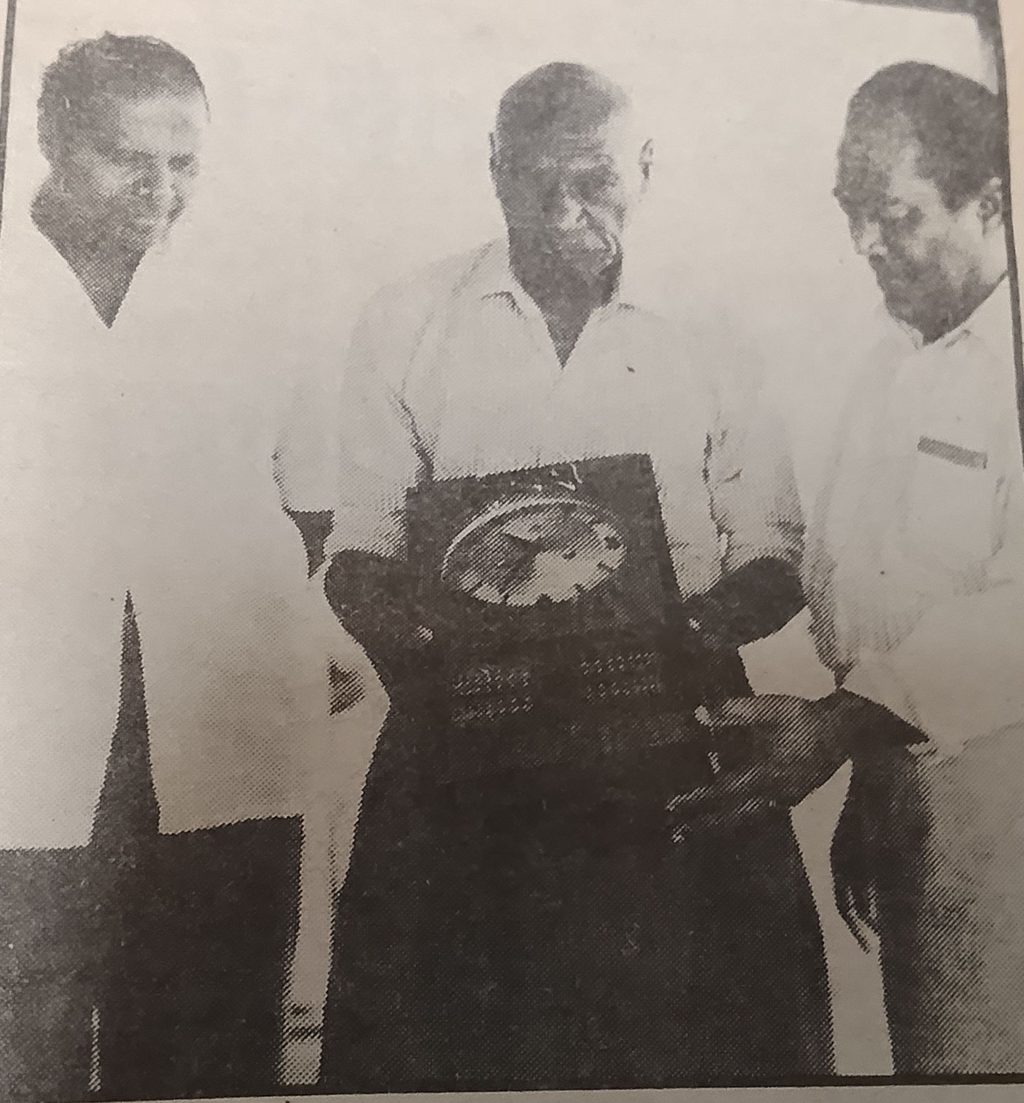
The Tui Labasa, Ratu Tevita Qomate (right) presents a wall clock to the chief of the Yavusa Kalou, Ratu Viliame Lautiki (centre) at Mataniwai Village to mark the completion of the village housing project. Looking on is local shopkeeper, Ram Dayal. Picture: STAN RITOVA

