
Farmers are often described as the backbone of an economy, feeding the nation collectively.
A 1998 feature highlighted one such farmer whose dedication to agriculture brought him both self-sufficiency and financial stability.
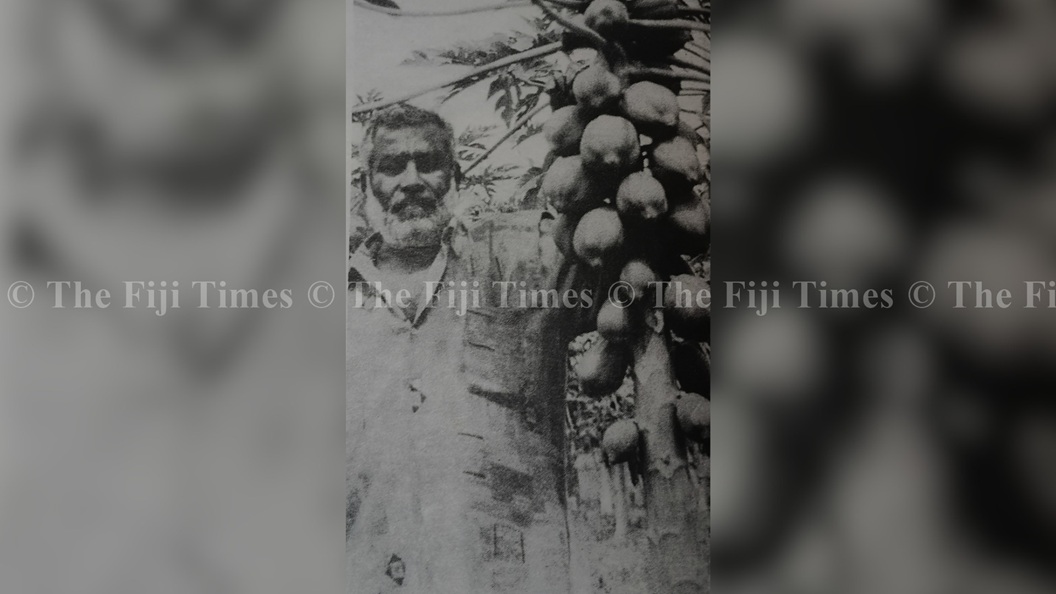
Published in The Fiji Times on Wednesday, September 2, 1998, the story revealed how Permal Naicker, 50, a vegetable farmer from Sigatoka Valley, built a successful farming enterprise through discipline, sacrifice, and effective use of resources.
The report noted that commercial farming required vision, resilience, and a deep understanding of lifestyle, weather patterns, and local communities — particularly for those living in remote parts of the Western Division.
Naicker, the son of a farmer from Barara near Sigatoka Town, had known no other way of life.
In 1976, he and his then 20-year-old wife made a firm decision to pursue farming despite the challenges that lay ahead.
The couple started building a small house about 200 metres from the Sigatoka River. With only a pair of bullocks and a horse, they started cultivating land that had been previously owned by a European farmer who grew passionfruit in the 1970s.
For more than 25 years, Naicker maintained a strict routine, waking up at 5am and working through to 6pm daily. Over time, he developed three acres of farmland, growing crops such as cabbage, eggplant, corn, and pawpaw.
“It’s the love of utilising the land from my childhood that keeps me going until today. And I never regret it,” Naicker said.
By 1998, he was assisted by his three teenage sons and had earned the respect of neighbouring farmers, becoming one of the most prominent growers in the Sigatoka Valley.
His success allowed him to modernise operations. No longer reliant on animal power, Naicker invested in a tractor, a three-tonne truck, and a family car, which he used for business trips and transporting produce.
He made weekly trips to Suva, where he sold the bulk of his harvest to market vendors who depended heavily on produce from the Valley Road farming belt.
Naicker credited his achievements to careful planning and discipline.
Good management was always Naicker’s policy, which he believed kept the money flowing and ensured he avoided financial missteps.
He also provided employment to labourers from nearby Nakalavo and Naduri villages and was regarded highly within those communities.
Despite his success, Naicker remained mindful of the challenges posed by nature, particularly drought conditions that threatened crop yields.
“We are looking at ways in which our crops can be maintained despite the drought.
“One of the possible ways was to seek funding from the Government to assist in irrigation. This should be an ideal way of tackling such a problem.”
While life had improved significantly for Naicker and his family, the uncertainty of weather patterns remained a constant concern for the seasoned farmer.

