
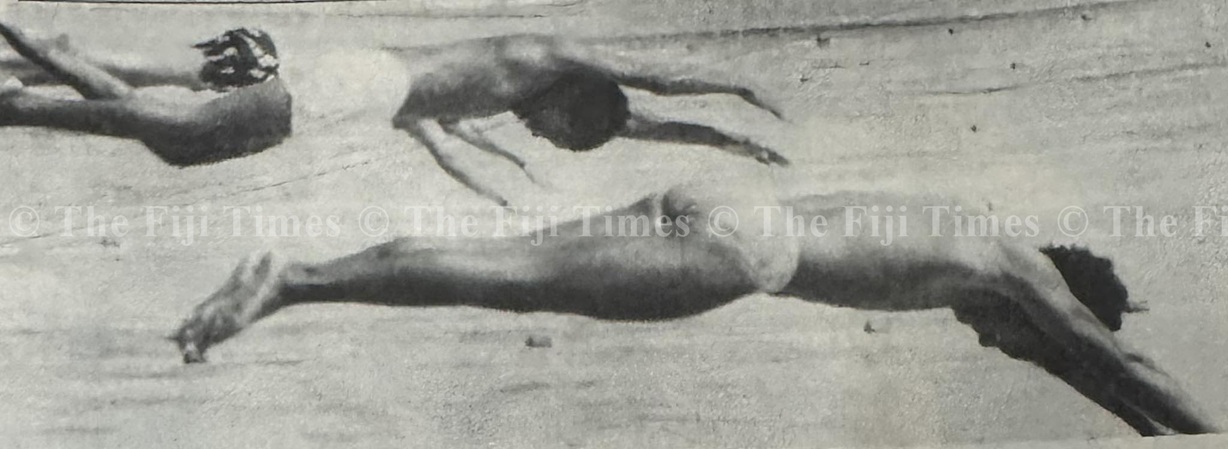
In the mid-1990s, the Fiji Games were evolving into a fixture of the national sporting calendar, with ideas to expand the competition beyond traditional track and field events.
The Fiji Times reported on May 4, 1996, that the concept of a national sports festival had first been mooted in the early 1980s by former FASANOC president, Captain Stan Brown, and Bobby Tikaram, a former member of the Fiji
Sports Council.
FASANOC revived the idea in 1993, leading to the successful inaugural Fiji Games in August 1994. The Games aimed to:
- Provide an opportunity for competition for National Federation;
- Provide an opportunity for talent identification by inviting athletes from all over the country to take part in a competition along the lines of a South Pacific Games;
- Give an opportunity for National Selectors to select National Squads for forthcoming events such as the Olympic Games in Atlanta, the 1997 South Pacific Mini Games in American Samoa as well as regional and international competitions organised by the various sports codes.”
“Provide an opportunity for the training of technical officials in the various sports and, if possible, with the cooperation of International Federations, an opportunity to upgrade or establish recognised qualification;
- Provide sports and districts the opportunity to train their officials in team management, coaching; and
- Strengthen the sports administration network in the country.”
Following a review of the inaugural Games, FASANOC set up an organising committee in 1995 under the chairmanship of Vidhya Lakhan to coordinate the second edition. “Regular meetings with National Sports Federation had been held since the formation of the committee to coordinate the competition programming and support services (medical etc) so necessary for the successful staging of a large multisport event,” a FASANOC report noted.
Teams were drawn from district sports councils and associations, including areas such as Rotuma, Kadavu, and Lau, which were otherwise not covered by these sporting groups.
Financing for the second Fiji Games came from FASANOC’s corporate sponsorship program —ASCO Motors, ATS, Burns Phillip, FINTEL, Fiji Gas, FM96/Navtaran, National Bank of Fiji, SPR Videotape, and Suva Travelodge — along with expected revenue from the 1996 Prime Minister’s Dinner, the Fiji Sports Council, and the Ministry of Sport.
FASANOC welcomed the endorsement of the International Olympic Committee, which granted its patronage under the Sport For All Programme. “This signified support at the highest level of international sport for our efforts,” the report said.
“The sports people of Fiji would ensure that the IOC’s endorsement of striving for excellence would not go unrecognised as they work towards a successful second Fiji Games.”

