
FOR many Fijian families, learning a skill can mean steady work, independence, and hope for the future. It can mean a young person finding confidence, supporting their family, and building a life they can be proud of.
That is what was on Epineri Rawalai’s mind as he reflected on how Fiji continues to strengthen skills training for its young people. Through his work at the Higher Education Commission Fiji (HECF), everyday he witnesses the importance of how Technical and Vocational Education and Training (TVET) prepares young people for work opportunities.
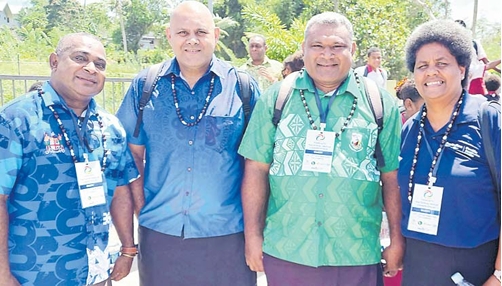
In October 2025, Epineri had the opportunity to observe the Vanuatu National Skills Competition. Supported by Australia through Pacific Australia Skills, his visit formed part of the Fiji–Australia Vuvale partnership, where countries learn from one another and share ideas to strengthen skills training across the region. What he saw reinforced lessons that are increasingly important for Fiji’s own skills and training journey.
Looking back on the experience, Epineri said the competition showed how powerful hands-on learning can be when young people are given the right support.
“The competition gave youths from all over Vanuatu a chance to show their technical skills, creativity, and innovative ideas. Their teamwork, energy, and confidence showed that young people play a key role in building a better and more sustainable future.
“It reminded me that giving young Pacific learners hands-on learning opportunities helps them use their talents in real life and prepares them for meaningful work.”
For Epineri, the experience strengthened his belief that TVET is not a second option, but a strong and respected pathway that Fiji must continue to promote.
“Watching the competitors showed me that TVET helps build confidence, pride, and purpose among young people. They were not only showing what they could do, but also proving that skills can change lives and build stronger communities.”
He was particularly struck by how culture and traditional knowledge were woven into skills training. Local practices such as weaving, carving, and traditional building methods were valued alongside modern trades. For Fiji, where culture and community are central to daily life, this reinforced the importance of education that reflects local values and traditions.
For many young people in Fiji, skills training offers a practical way forward. It helps them discover what they are good at and prepares them for work that is relevant and in demand.
Since returning, the experience has strengthened HECF’s commitment to supporting youth-focused, culturally grounded, and nationally aligned TVET programs in Fiji. It has reinforced the importance of working closely with training providers, industry, and partners to ensure young people are equipped with skills that support both personal growth and national development.
His experience reflects the broader work of Pacific Australia Skills and the strength of the Fiji–Australia Vuvale partnership. Through shared learning and collaboration, this partnership supports Fiji’s efforts to build a skilled, confident, and resilient workforce for the future.
At its heart, the message is simple. When young people in Fiji are supported to learn a skill, they are supported to build a better future for themselves, their families, and the nation.

