
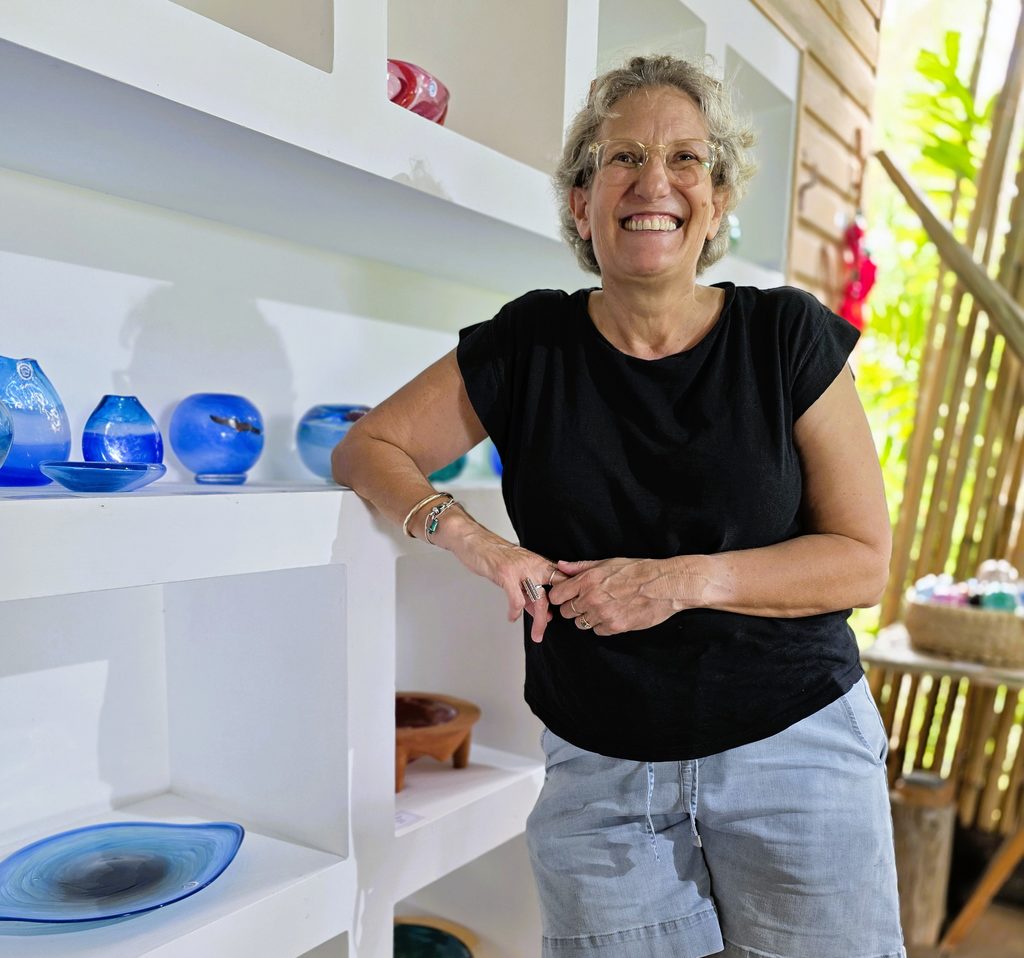
ON the sunlit stretch of Korotogo along Fiji’s Coral Coast, molten glass glows like liquid honey inside a blazing furnace.
From it, vases bloom, bowls take shape and delicate jewellery catches colour and light, all crafted by hand at Hot Glass Fiji.
At the heart of the studio is Alice Hill, co-owner, professional glassblower and artist who, nearly 12 years ago, helped introduce an ancient art form to Fiji that had never before been practised here.
“When we first decided to set up the glassblowing studio it was something very new and different for Fiji,” she said.
“Now we’re well established and very fortunate to run a beautiful hand-blown glass studio here in Korotogo.”
An ancient craft
Glassblowing, is an art form dating back thousands of years. The process used today closely mirrors that of its earliest discovery, skills passed down through generations and across continents.
Ms Hill trained in the United Kingdom, undertaking a two-year design course before completing a three-year degree in three-dimensional design in glass. Yet she is quick to point out that technical skill alone does not define an artist.
“As important as the actual skill of glassblowing is the skill of conceptual artwork,” she said.
“You have to be able to look at something, the ocean, for example and think about what story you want to tell, what colours you love, how the water moves, and then decide how to represent that in glass.”
After graduating, she undertook a further two years of specialist training in glassblowing and then worked in a studio to refine her technical expertise.
“Once you have the idea, you can always find the skill,” she said.
“But you can’t go anywhere until you have the ideas.”
Building skills
When she and her team established Hot Glass Fiji, there were no trained glassblowers in the country but today that has changed.
“All of my staff are from Korotogo village,” she said.
“They are learning an ancient skill set in one area, within their own community.”
From what began as a two-person operation, Ms Hill and her master glassblower, Peter, the studio has expanded to a team of six glassmakers working across blown glass, cold work and flame work.
Skills are shared across the team to ensure collaboration and continuity.
Ms Hill says Fijians possess many of the qualities essential for glassblowing: dedication, attention to detail, perseverance and a strong cultural grounding in craft.
“Fiji already has such a strong culture in art and craft,” she said.
“In Sigatoka Valley you have pottery, in Lau you have carving. It’s lovely to think that in Korotogo we now have glassblowing.”
That sense of community extends beyond the studio walls. Children in the village are growing up familiar with the furnaces, tools and artistry of glass.
Knowledge is being passed down, echoing Fiji’s longstanding tradition of intergenerational learning.
From homes to hotels
Inside the studio, the range of work is extensive.
Functional household pieces sit alongside special commissions and corporate awards and trophies created for clients locally and overseas.
Production is ongoing for the gallery and boutiques across the country.
One of the studio’s most popular offerings is its glassblowing experience, run Monday to Friday. Visitors, many from overseas are invited to work alongside the Fijian glassblowers to create their own vase, tumbler, bowl or dish.
“They get to actually experience making glass with our team,” Ms Hill said.
“It gives them a really good understanding of what glassblowing is about and the value of glass. It’s quite educational.”
Looking ahead, 2026 is shaping up to be a busy year. The studio has numerous bookings for its glassblowing experiences and is undertaking several large-scale hotel and installation projects these public pieces are enabling the team to push creative boundaries.
“These are great projects for us, it’s where we get to use our creativity and expand our knowledge. It’s very exciting for the future” she said.
Love in every fragment
Sustainability and innovation also play a role in the studio’s evolution.
From the coloured offcuts and by-products of the blowing process emerged a new jewellery line called Loloma Glass.
“Loloma means love, so rather than wasting any product, we use those coloured pieces to create jewellery,” Ms Hill said.
The range includes drop earrings, pendants, hoop earrings and bracelets, stocked in Jacks of Fiji stores and boutiques nationwide.
It is, she says, a natural extension of the studio’s philosophy of using every fragment of material to create something meaningful.
Creative foundations
Beyond the commercial success, Ms Hill remains passionate about nurturing the next generation of artists.
She believes Fiji would benefit from a one-year arts foundation course, giving young people the opportunity to explore different disciplines before specialising.
“Art and craft need a foundation,” she said.
“Young people should draw, sketch, write ideas down, experiment. Have a sketchbook. You don’t have to be a great drawer, it’s about getting the ideas out of your head.”
She encourages aspiring artists to seek mentorship from practising creatives.
“Artists are very open. If someone came to me with ideas and wanted to talk about whether they could be made in glass, I would have time for that.”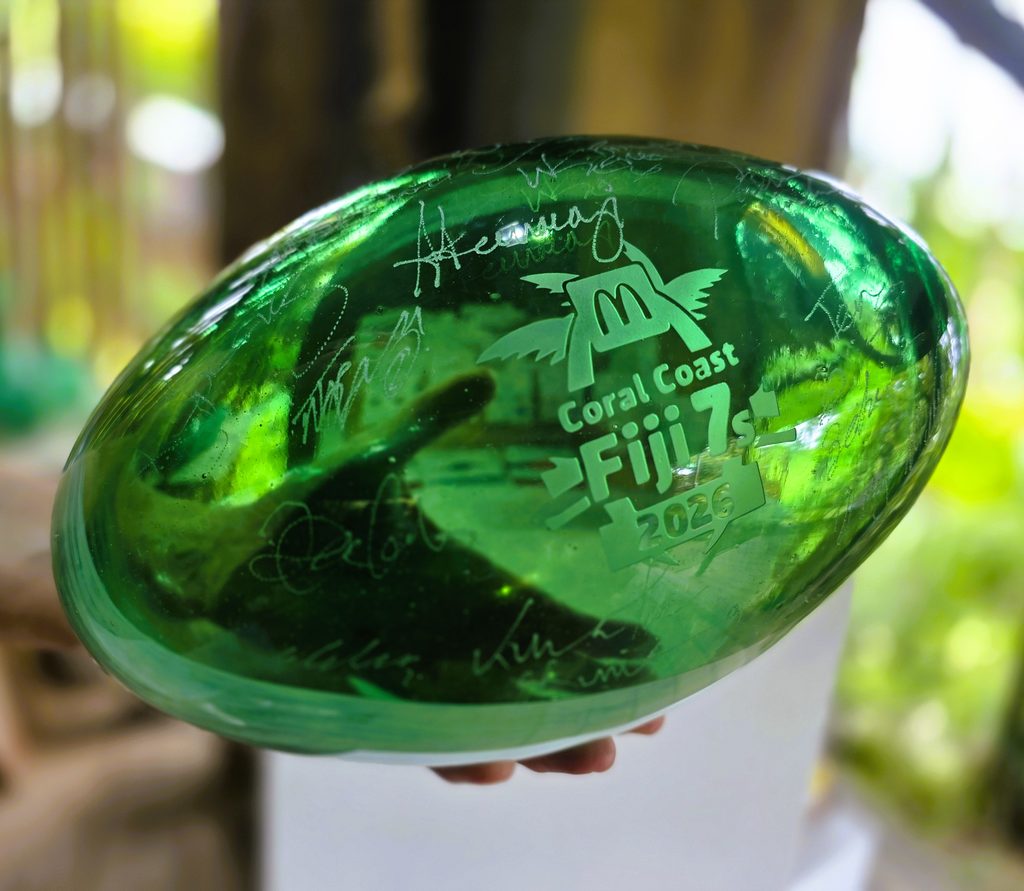
A special project by Hot Glass Fiji for the Coral Coast Fiji 7s competition. Picture: ALIFERETI SAKIASI
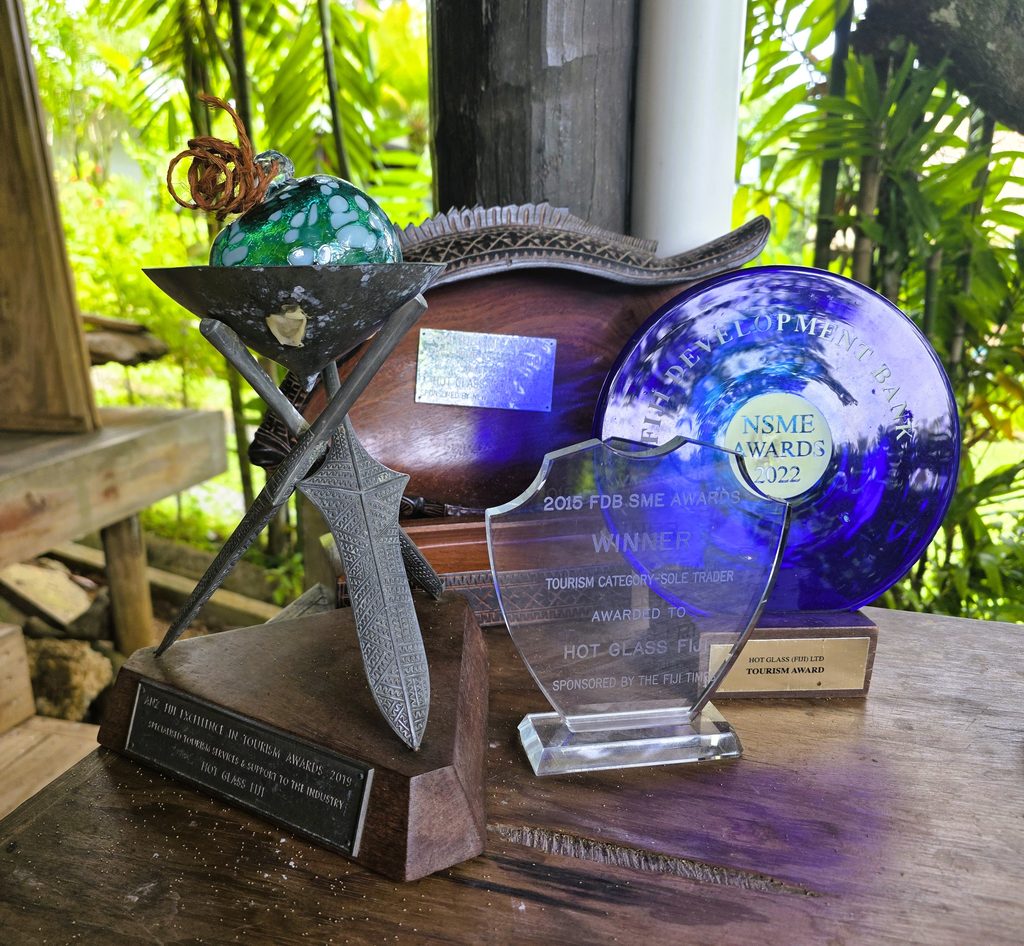
Trophy and award designs and pieces by Hot Glass Fiji for corporate clients. Picture: ALIFERETI SAKIASI
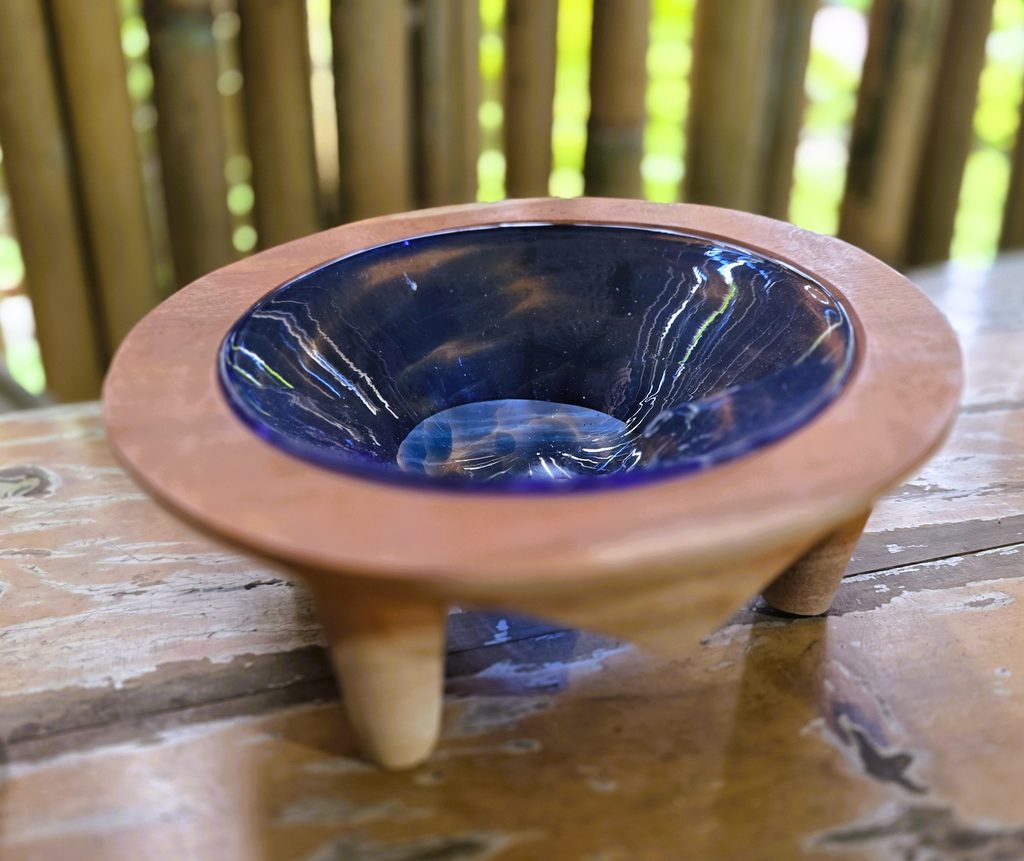
A contemporary Tanoa piece. Picture: ALIFERETI SAKIASI
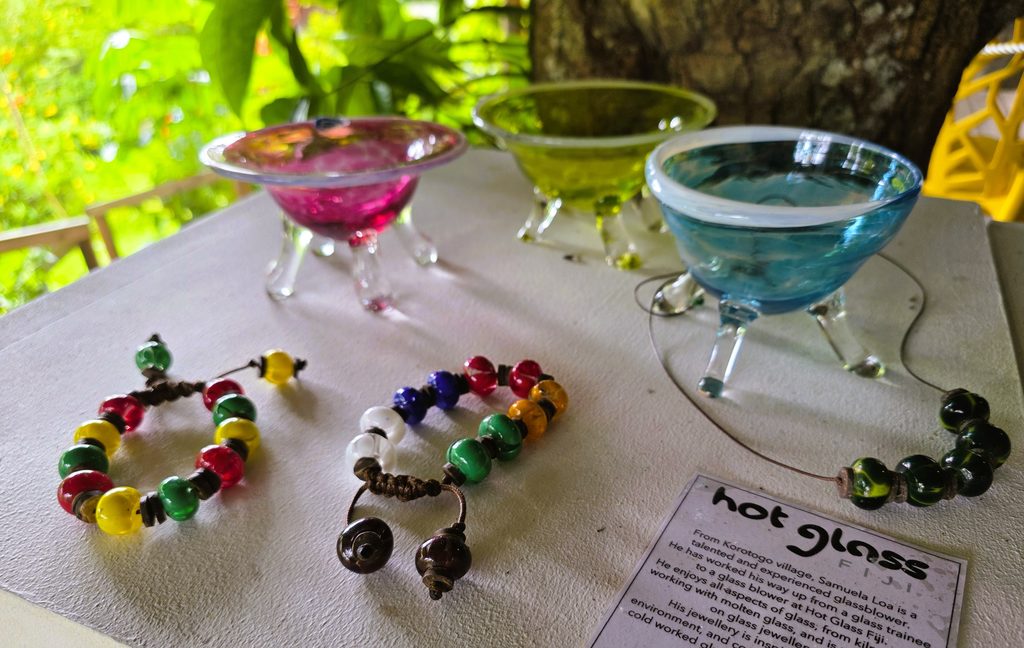
Special art and ornamental pieces by Hot Glass Fiji’s Samuela Loa. Picture: ALIFERETI SAKIASI
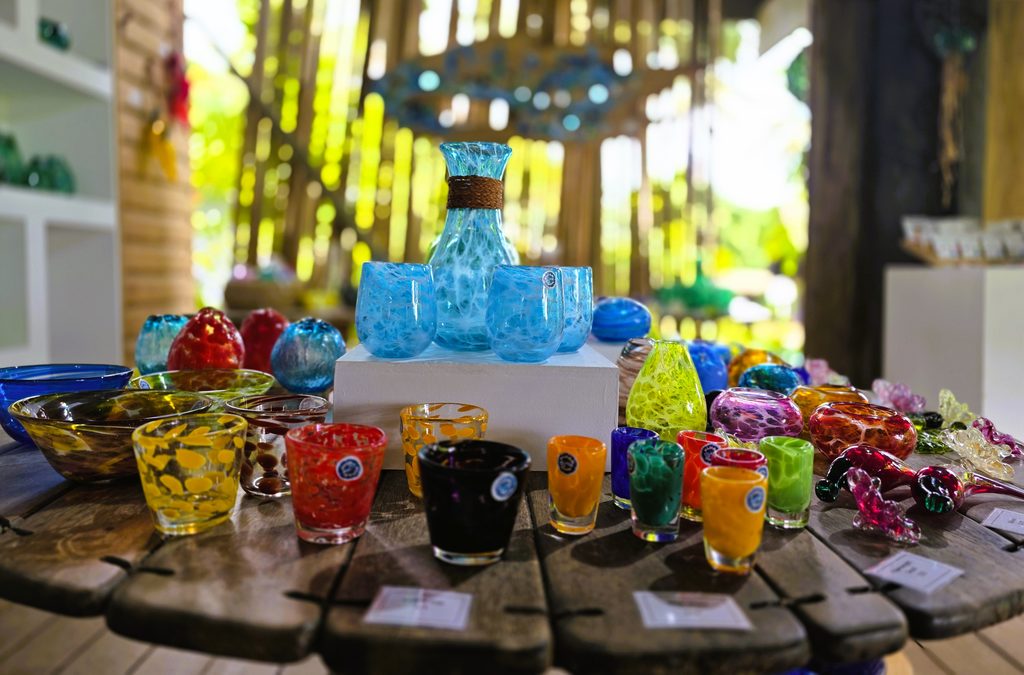
Various beautiful glassware and ornamental pieces by Hot Glass Fiji. Picture: ALIFERETI SAKIASI

