
On Fiji’s Garden Island of Taveuni, where lush rainforests meet pristine reefs, a quiet but powerful movement is reshaping how communities care for their animals.
At the heart of it is Julie Seidman, whose work with Taveuni Animal Lovers (TAL) is inspiring a cultural shift.
TAL is the only animal care charity dedicated exclusively to serving Fiji’s Northern Division, a responsibility that comes with both urgency and challenge.
Since launching its first village outreach mission in 2015, the organisation has steadily expanded its reach, delivering critical veterinary care to remote communities often untouched by such services.
Last year alone, TAL desexed around 600 dogs and cats and provided free treatments and medical examinations to another 700 animals.
Their work spans all villages on Taveuni and extends to nearby islands such as Qamea, Kioa and Matagi, as well as dozens of villages on Vanua Levu. A mission to Rabi Island is already planned for August, continuing their push to reach the most isolated communities.
But behind these numbers lies an intense, carefully coordinated effort.
TAL operates without a permanent veterinary clinic, relying instead on visiting volunteer vets and nurses.
Each outreach mission, typically lasting two weeks and held three to four times a year, requires meticulous planning, from sourcing medical supplies to arranging transport across difficult terrain.
Despite these constraints, efficiency is key.
Seidman explains that their team performs an extraordinary number of procedures daily, often completing in one day what might take others a week. Their goal is ambitious: up to 30 animals treated per day, without sacrificing the quality of care.
Yet for Seidman, the greatest obstacle is not logistics. It is awareness.
“Our biggest challenge is the lack of education,” she says.
“People in the areas we serve cannot see the benefits of animals that have been desexed.”
Many villagers are unaware of the health risks animals face when left untreated.
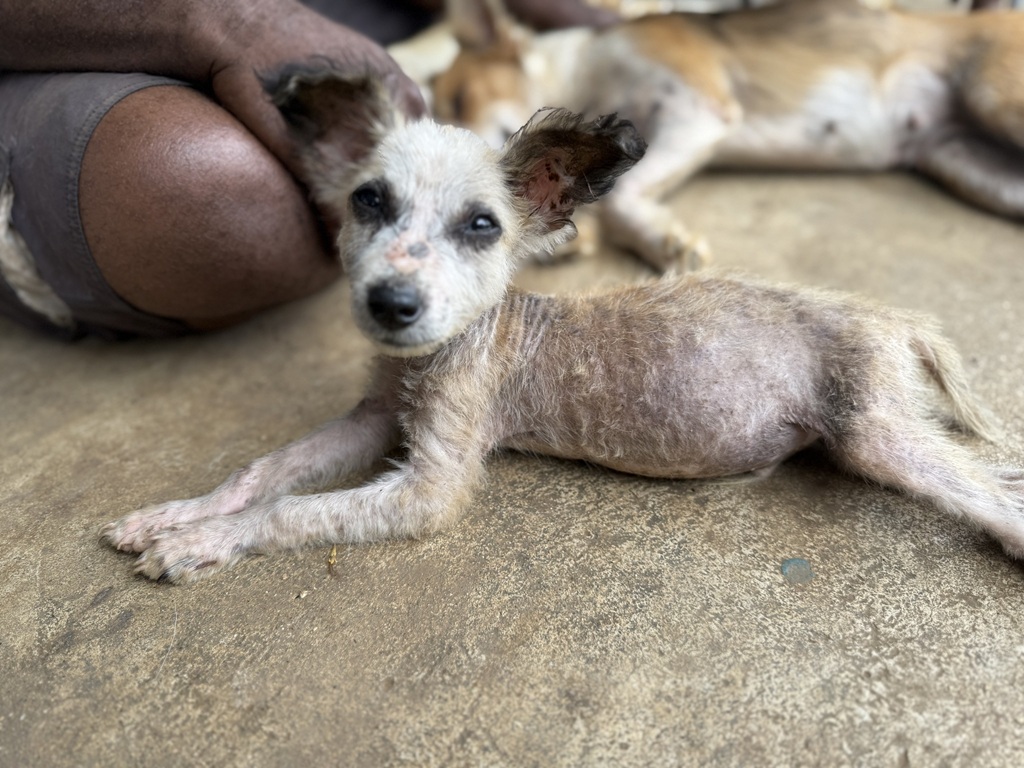
Parasites such as fleas, ticks and worms are widespread, often leading to severe skin disease and poor overall health.
Through hands-on demonstrations, including using microscopes to show parasites up close, TAL helps communities understand these invisible dangers.
The transformation, Seidman notes, can be immediate. Treated animals quickly become healthier, stronger and more energetic. Desexed animals, in particular, develop better muscle tone and tend to live longer lives.
But the impact goes beyond individual animals, it affects entire communities.
By reducing parasite loads and controlling animal populations, TAL’s work helps limit the spread of diseases that can affect humans.
Seidman emphasises that healthier animals contribute to healthier villages, creating a ripple effect of wellbeing.
Central to TAL’s mission is a simple yet profound message: animals deserve compassion.
“We try to promote compassion and explain that animals in many ways are similar to us,” Seidman says.
“They can be happy and they can be sad. They feel thirst. They feel hunger. They are not an inanimate object, they are living beings, and they need care.”
Changing long-held perceptions takes time, but progress is visible.
Seidman recalls that two decades ago, it was not uncommon to see unwanted puppies and kittens abandoned near the beach or along the roadside.
Today, such scenes have become rare, a change she attributes directly to TAL’s desexing programss and community education.
Tourists, too, have noticed the difference, often remarking on the lower number of stray animals compared to other parts of Fiji.
This progress has allowed TAL to expand its reach even further. As animal populations on Taveuni come under control, the organisation can focus on more remote, underserved areas.
Seidman’s journey began with a deep personal love for animals and a desire to make a difference after moving to Fiji. At the time, population control methods were often harsh, particularly for female animals.
Today, attitudes are shifting.
“When an animal is desexed, all of a sudden it gives that animal value to the family,” she explains, noting that families are now more likely to keep and care for female pets.
Still, challenges remain, not least the nationwide shortage of veterinary services.
Seidman stresses the need for more veterinarians to support animal welfare efforts across the country.
Her vision for the future is a Fiji where stray animals are so rare that their appearance becomes an event in itself, prompting communities to step in and help.
Beyond dogs, TAL is also tackling the often-overlooked issue of feral cats. Seidman points out that uncontrolled cat populations can have unexpected consequences, including ecological imbalances.
By preying on birds and reptiles that naturally control mosquito populations, large numbers of stray cats may indirectly contribute to the spread of mosquito-borne diseases such as dengue fever.
While dogs and cats make up the vast majority of TAL’s work, the organisation also treats farm animals when possible, providing deworming, vitamins and basic medical care.
Surgical procedures for larger animals are limited, depending on the availability of specialised veterinarians.
Looking ahead, Seidman believes that education, especially among young people, holds the key to lasting change.
TAL hopes to expand its outreach into schools, teaching children about responsible pet ownership and animal welfare.
“Educating our youth is hugely important,” she says.
“That’s probably even more important than the desexing.”
For now, TAL continues to use its village clinics as informal classrooms, where both children and adults learn by observing and participating.
As the next outreach mission approaches – from April 15 to 27 – Seidman is calling on Taveuni residents to take part.
Whether bringing their own animals for treatment or encouraging neighbours to do so, every action contributes to a healthier, more compassionate community.
All services are provided free of charge, ensuring that no one is turned away due to financial hardship—a commitment made possible through donations and volunteer support.
In a place already blessed with natural beauty, Seidman’s work is nurturing something equally vital: a culture of care.
And as more communities embrace this message, Taveuni is proving that even the smallest acts of compassion can transform an island and its people.

