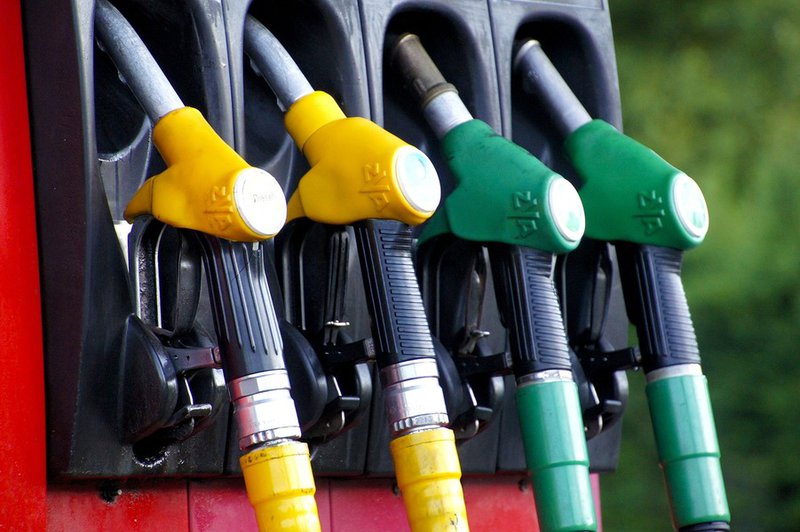
Fuel pump attendants and cashiers at the service stations, mostly in the outskirts of towns and cities, are copping the flak of frustrated motor vehicle owners when they refuse to fill fuels in inappropriate storage containers
This newspaper has established that some vehicle owners are bringing inappropriate vessels like plastic bottles and containers to store extra fuel.
The Fiji Fuel Retailers Association has confirmed that service station operators are having to deal with angry consumers for doing the right thing in not allowing inappropriate storage containers to carry fuel.
The association executive representative said while economic hardship understandably forced consumers to pinch every penny, saving money should never come at the expense of risking safety.
The executive representative said that filling drums or containers not designed for fuel created a massive fire and explosion hazard.
He said petrol vapours were extremely volatile and could ignite from a simple static spark.
“While the FCCC (Fijian Competition and Consumer Commission) set the rules under Petroleum Act, service station operators are the ones trapped on the frontline dealing with angry consumers,” the executive representative told this newspaper in an interview yesterday.
“Our pump attendants and cashiers are frequently hassled, yelled at, and sworn at simply for enforcing and educating customers on inappropriate storage containers that we cannot fill.
“No worker deserves to face hostility for priotising public safety, which is why we urgently request more aggressive, on-the-ground advocacy work from the Consumer Council of Fiji and the FCCC to educate the general public before they even reach the station.
The representative said that fuel could only be stored in specially designed jerry cans for safety purposes.
The association has indicated that at present, it has not reached the stage to escalate those incidences to police.
Meanwhile, to save on fuel usage, the association has advised members of the general public to plan their weekly errands, share ride, avoid unnecessary travel during peak traffic hours, ensure vehicles are serviced regularly, maintain correct tyre pressure, adopt fuel efficient driving habits, maintaining a steady speed, and switching off engine rather than idling for long periods.