
LONDON (Reuters) – Britain’s trade agreement with the European Union removes a 4-1/2-year old fear of crashing out of the bloc without trading arrangements in place, but it will take UK financial markets years to lose their Brexit-inflicted scars.
The “no-deal Brexit” risk has weighed on Britain’s growth and investment prospects since June 2016, when citizens voted to sever ties with the country’s biggest financial services customer that accounts for $1 trillion of bilateral commerce a year.
So Thursday’s deal, seven days before the deadline, is an undoubted relief. Analysts are urging clients to snap up undervalued UK stocks, the worst performing of any major market since 2016 and many say they been buying sterling, which is near 2-1/2-year highs above $1.36..
But those hoping the deal will allow British assets to catch up with high-flying overseas markets may be disappointed.
The bare-bones nature of the deal leaves Britain far more detached from the EU than was thought likely in 2016. Further negotiations are inevitable in 2021 to flesh out the agreement.
It all means the discount that has dogged UK assets since 2016 will not vanish soon.
“Brexit does mean that the UK will likely lose some of its sheen,” said Seema Shah, chief strategist at Principal Global Investors.
While the news could lend some traction to British markets it would not protect the economy from long-term scarring, inflicted by a combination of Brexit and COVID-19, she said.
“Being excluded from the world’s largest single market area will see jobs, people, and capital flows trickle away from the UK, in search of destinations which instead embrace globalisation,” Shah added.
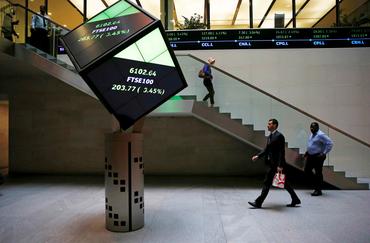
Ilustrating the discount, UK stocks have underperformed since 2016 and lagged the global recovery since March that has sent rival indexes to record highs.

