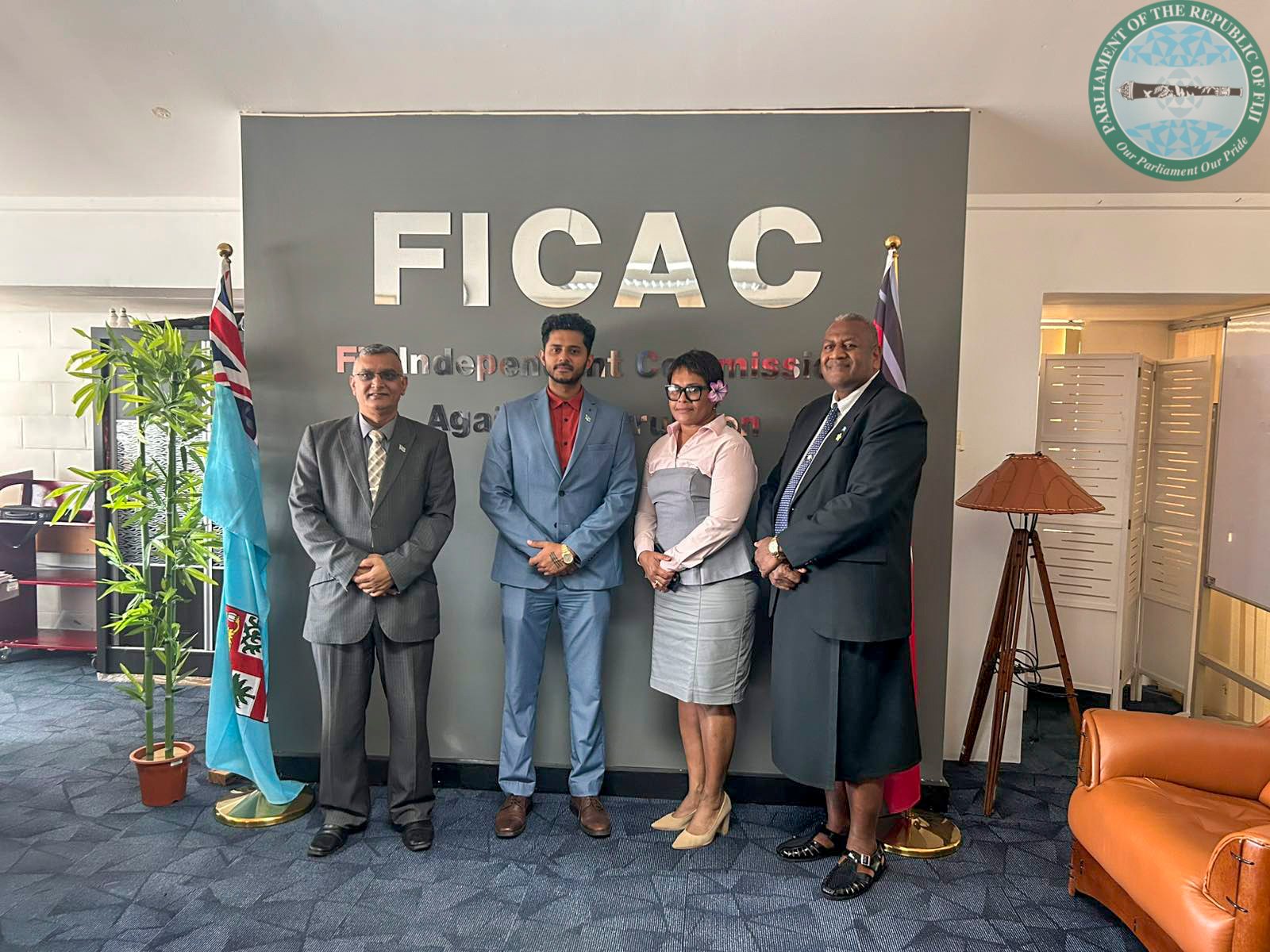
ACTING commissioner of the Fiji Independent Commission Against Corruption (FICAC) says several factors contribute to the withdrawal of corruption cases from court — from ageing files and fading memories to witnesses dying or migrating.
While answering questions from the Parliamentary Standing Committee on Foreign Affairs and Defence, Lavi Rokoika said some of the cases being handled today date back more than a decade, with files originating from 2013 and 2014.
“Sometimes these are cases from 2013, 2014 — very, very old cases — witnesses cannot recollect. I, for one, cannot remember who I met last week,” Ms Rokoika said.
“Witnesses not remembering what happened as it was too long ago when that happened.
“Some witnesses die; some witnesses migrate. Those are the main problems that the prosecutors have to face.”
She said many cases were also affected by the loss or unavailability of key witnesses.
She said changes in leadership also influence decisions to discontinue certain cases, particularly when the public interest no longer justifies continuing prosecution.
“I say this because I’ve closed some cases; because I feel it’s not in the public interest for us to be going after $300.
“So, I’ve weighed the options, and I’ve said, no, we will not proceed.”
She said every decision to withdraw a case was carefully weighed against public interest and resource considerations.