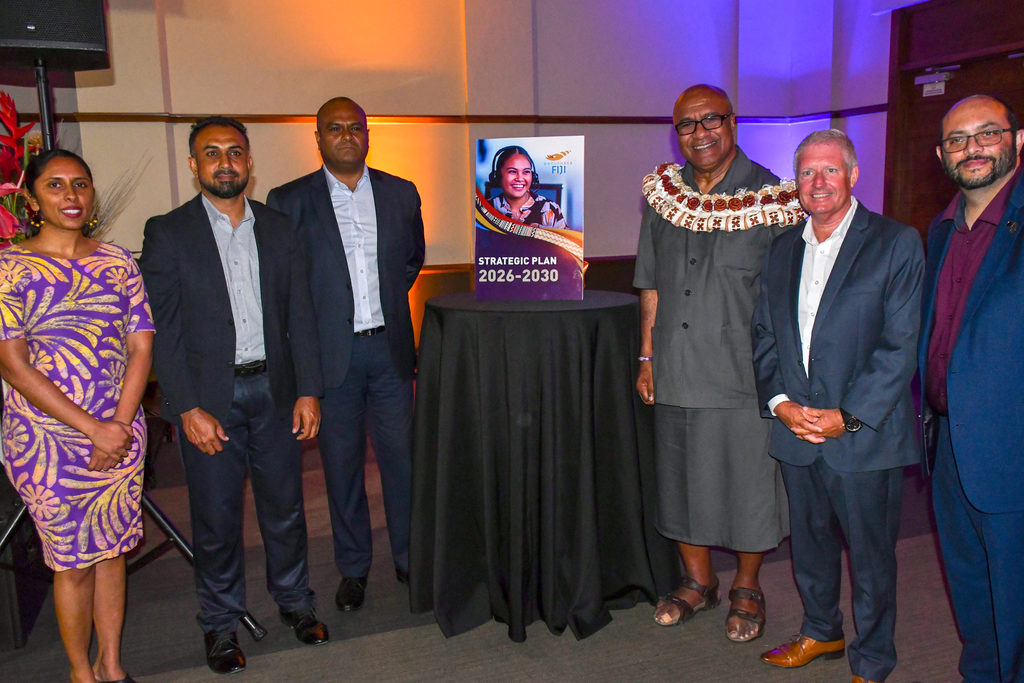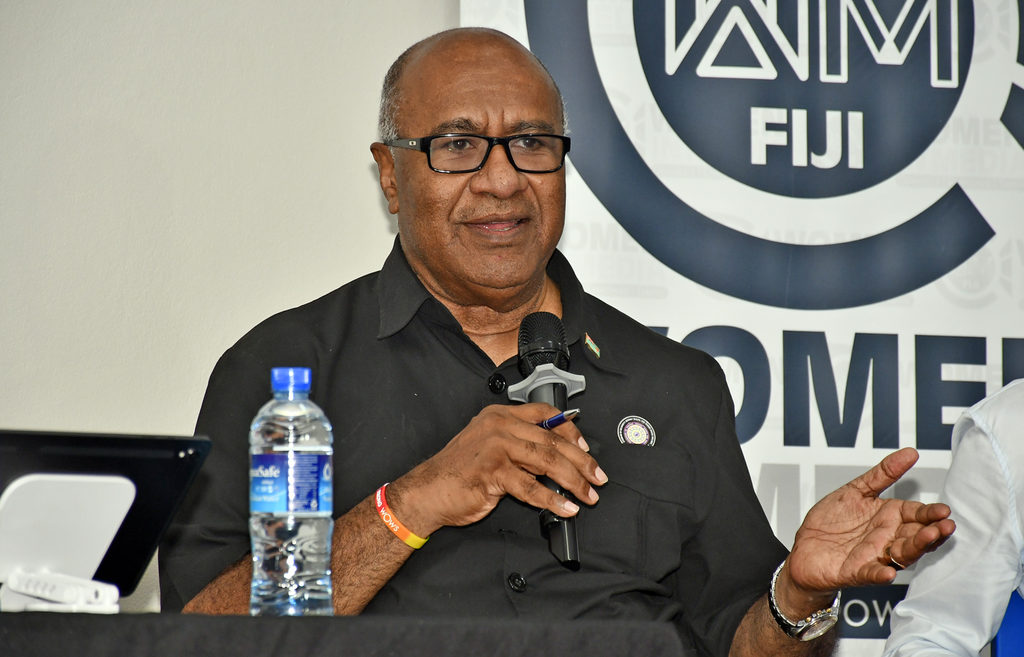
Fiji’s outsourcing industry must transition from entry-level employment toward specialised skills and professional capabilities as artificial intelligence transforms global services, Deputy Prime Minister and Minister for Industries, Commerce and Business Development Manoa Kamikamica said.
Speaking at the official launch of the Outsource Fiji Strategic Plan 2026–2030 at the GPH in Suva on Monday night, Mr Kamikamica said the roadmap targeted more than 15,000 industry jobs and $465 million in annual outsourcing revenue by 2030.
However, he said targets alone did not create economic growth, noting Fiji competed with established destinations such as India and the Philippines.
“Artificial intelligence is changing the global services industry. It is transforming business processes, increasing productivity and changing the skills employers require,” Mr Kamikamica said.
“Some existing functions will become automated. Other roles will evolve, and new professional opportunities will emerge,” he added.
Outsource Fiji executive director Josefa Wivou echoed that shift, saying prospective investors now asked about specialised skills, data security, digital infrastructure, automation, and business continuity rather than just basic customer service roles.
“The question is whether we are changing quickly enough to remain competitive in this market,” Mr Wivou said.
Mr Kamikamica said young Fijians entering through customer service positions should have pathways toward supervisory management, business analysis, financial services, cybersecurity, and digital operations.
“Our ambition must be to move beyond providing entry-level employment and towards developing specialised skills, professional capabilities and sustainable careers,” the DPM said.
Mr Wivou added that while announcing the 2030 targets was the easiest part, achieving them required balancing an investor pipeline with workforce-ready individuals.
“Achieving it will require investment, partnerships, training and development, and a great deal of work altogether,” he said.
Meanwhile, Mr Kamikamica said reaching the targets also required reducing administrative burdens, strengthening regulatory efficiency, and ensuring reliable electricity, telecommunications, cybersecurity, and commercial facilities.
“Being open for business must mean more than extending an invitation to investors.
“It must be reflected in the way we regulate, facilitate investment, deliver public services and engage with the private sector,” he said.
The plan, supported by the Australian government and the Market Development Facility (MDF), also explores extending outsourcing beyond Suva and Nadi into rural and maritime communities where commercially viable.