
Accessing quality diagnostic and treatment services for diabetes remains uneven.
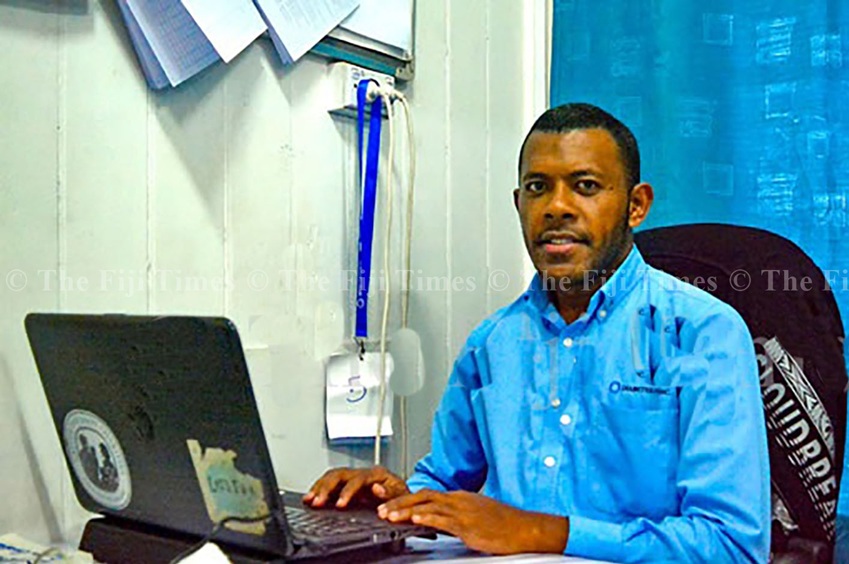
While raising this, Diabetes Fiji executive director Kini Marawa said rural and maritime communities experience delays, limited outreach, and challenges in accessing medications and diagnostic tools.
“However, urban centres like Suva, Lautoka, and Labasa have better access to clinics and specialists,” he said.
To address this, he said, they had expanded their work in communities across the country.
“The organisation conducts regular community-based wellness and non-communicable disease screenings to detect diabetes early.
“It also supports peer groups that meet weekly to monitor glucose levels and provide support for those living with the condition.”
In addition, he said, capacity-building programs for nurses, doctors, and allied health professionals were needed to improve diabetes management and wound care.
“It also works with businesses and schools to promote healthier environments and encourage lifestyle changes.”
Despite these efforts, he said, more systemic changes were urgently needed.
“A more decentralised, well-funded primary healthcare system is critical for improving equitable access. No Fijian should be disadvantaged because of where they live.”
Diabetes continues to be one of Fiji’s leading causes of death and disability, with a health official warning that addressing access gaps is key to turning the tide on the growing epidemic.

