Rugby 7s world cup winner Manasa Bari recalled moments of the 1997 episode and described Joost van der Westhuizen as a gentleman, who showed respect to everyone regardless of the colour of their skin.
“Off the field he is a different person, a true gentlemen with a caring personality despite the colour of your skin or the language you speak,” Bari said.
Bari said van der Westhuizen was South Africa’s key player, their lethal weapon in line breaking and in their defence too.
“In the 1997 world cup final, South Africa’s aim was to win the 7s title because they have already bagged the 15s World Cup in 1995,” Bari added.
Bari said van der Westhuizen came to congratulate him after the final whistle saying that it was not in God’s plan for them to win.
Bari added the skipper was a good person off the field and a true warrior in the field.
It was one of the finals in 7s rugby regarded by many as the game of the century.
In a tribute to the late van der Westhuizen, this newspaper will take you back in time when Fiji dethroned South Africa during the Rugby Sevens World Cup in 1997.
Growing up as a young boy, the name van der Westhuizen, I remember was one figure rugby followers love to watch playing.
A bruised and unforgettable encounter that saw exchanges of hard hitting tackles, fitness, attacking skill and flair in their quest to clinch the coveted trophy. It seems players from both parties don’t have anything else to live for during the game.
The 1997 Rugby World Cup Sevens was the second edition of the 7s tournament and the first to be held in Hong Kong.
Fiji defeated South Africa, who was the defending champion in the 15s code in the lead-up to an exciting final.
The final is still considered to be one of the best 7s matches of all time, www.rwcsevens.com reported.
It was the world cup where Fijian players promised the country they would return with the title.
One would go back in time and bring back memories of the final or flip back to some clips on Youtube to watch the Fijian boys take on the brave Springboks of South Africa.
Led by the late van der Westhuizen, the South Africans boosted with the services of rugby greats in Bobby Skinstad, André Venter and Danie Rossouw.
The talk of the tournament was when the late Aminiasi Naituyaga, who was also known as the “Steelman” gave the former South African captain a tackle that injured his eye.
With an explosive start in the final, South Africa scored two quick tries and was leading 14-0.
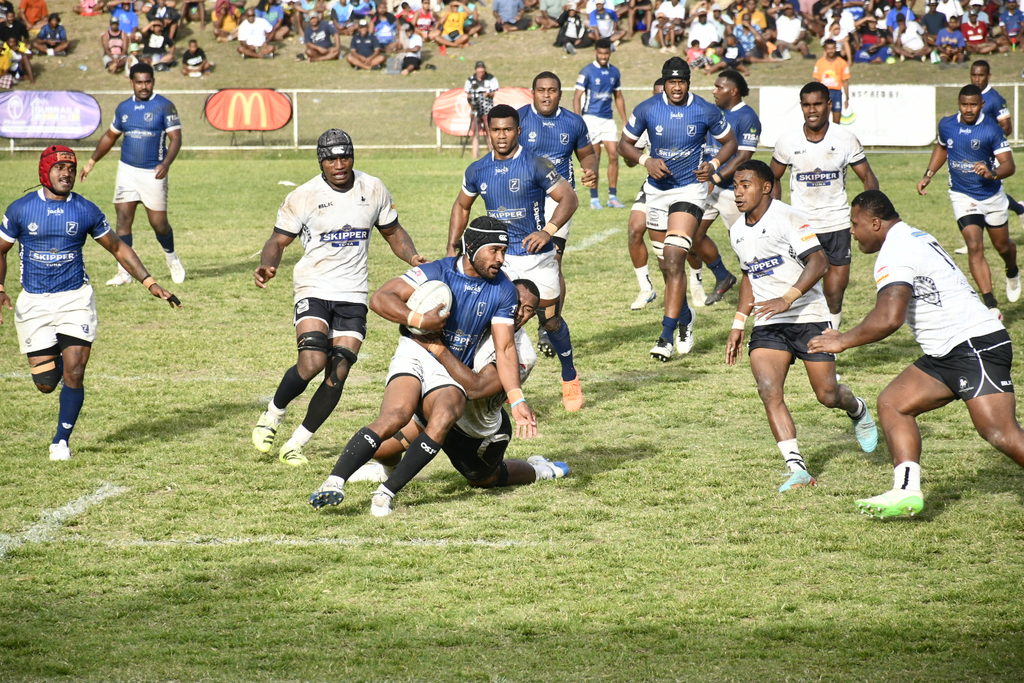
Fiji, with flyer Bari, scrum half Lemeki Koroi and Waisale Serevi orchestrating the back line moves, was too much for the van der Westhuizen-captained side as the Pacific Islanders’ magic started to click creating four tries in a stunning comeback. Fiji won 24-21.
Also in the Fiji team were Marika Vunibaka, Taniela Qauqau, Jope Tuikabe, Setareki Tawake, Viliame Satala, Luke Erenavula, Inoke Maraiwai and Leveni Duvuduvukula . The team was coached by Rupeni Ravonu.
In the report, Fijian maestro and 7s king Serevi was quoted: “After the final, I said to van der Westhuizen that they wanted to win the Hong Kong event too after claiming the title in 1995, but we have to take it home to Fiji”.
Serevi said: “We played well and then we played in the final against South Africa, who had won the Rugby World Cup in South Africa two years before in 1995 and were coming to Hong Kong with all their top players — Van der Westhuizen, Skinstad, Venter and Rossouw — they really wanted to win the world cup in sevens too.
“I can remember warming up, though, and seeing the crowd and one of the Fiji supporters had a sign saying ‘take it home Fiji’ and I said to the boys, ‘look, you have to play like this is the last game of your lives and you’ll never play rugby again. This is an opportunity for you to get on the field and do something for your country,” Serevi told www.rwcsevens.com.
Meanwhile, while skimming through Wikipedia, I found van der Westhuizen, who was born on February 20, 1971 made 89 appearances in Test matches for South Africa, scoring 38 tries.
He played as a scrum-half and participated in three Rugby World Cups, the 1995 tournament was won by South Africa.
He was further reported to have captained the national team on 10 occasions.
He was part of the team that won South Africa’s first Tri-Nations title in 1998.
He played for the provincial side the Blue Bulls from 1993 to 2003 and won two Currie Cup trophies in 1998 and 2002.
From 1996 until his retirement in 2003 he played Super 12 rugby for Northern Transvaal (later renamed the Bulls).
He was inducted into the International Rugby Hall of Fame in 2007 and later into the World Rugby Hall of Fame.
In 2011, it was announced van der Westhuizen had motor neurone disease.
He eventually became confined to a wheelchair and experienced speech problems, yet still raised awareness of the disease through his charity, the J9 Foundation.
He died on February 6, 2017.