
Every day, before dawn reaches the undulating hills of Viria in Naitasiri, work is already in progress.
Mist hangs low over the grassy fields. Dogs bark from a distance.
The dewy ground is cool underfoot as gumboots stomp on damp grass.
On small dairy farms along the main road, women are already awake, pacing around with purpose. Silver buckets make sonorous sounds and gates creak open.
Cows, familiar with the routine and eager to taste copra and mill mix , move in parallel lines.
This is where the dairy industry still holds together through the hard work of women who work at the milking parlour regardless of weather and fatigue.
Love in the details
At her farm in Naitasiri, Sanjita Kuar does not count animals by numbers.
When a lamb was abandoned and two baby goats lost their mother at birth, she took them in. She fed them by hand , using a baby’s feeding bottle and kept them close to her heart.
“I treat them like my own children,” she said. “They are not for the pot.”
The lamb is called Bibi. Weirdly enough, the two goats share the name Miti. They are all one year old now and follow Sanjita wherever she goes, hooves clicking softly on concrete, tails wagging with excitement, along with four canines and a cat.
Each morning, Bibi is the first to stir, bleating at the doorway when it senses it is time to milk the cows.
This forces Sanjita to put on her gumboots and walk down the small hill to the milking shed.
“I milk the cows while they watch,” she said.
“Then we go home together.”
In the afternoon, she returns again. The routine does not change. It runs seven days a week, 365 days a year.
A farm handed down
Sanjita is a mother of two. She took over the management of the farm when her father, Koki, grew old and sickly.
She now looks after 50 cattle, including 20 milking cows, as well as goats, sheep, chickens and ducks. The sounds of the farm carry on through the day,
Sanjita was raised on the land and knows no other life beyond the farm.
“I like farm life,” she said. “I am my own boss.”
It is an independence earned through long hours and constant care.
Work that starts before daylight
A few kilometres uphill, in Naduri Settlement, Ashika Devi’s day also begins before daybreak.
Her kerosene stove hisses persistently in the kitchen as roti and stor-fried vegetables are prepared. Outside, the sky welcomes the slight hints of approaching dawn. By 6am, she is in the milking shed.
There are no machines to assist her. The cows are milked by her callused hand.
The shed fills with the sound of steady breathing, metal pails, and milk hitting the bucket in a rhythmic jet stream.
Her hands move with practiced ease, shaped by years of countless repetition.
Strength learned over time
Ashika learned the work from her parents. For years, she milked alongside her mother, Satya Wati, now 73.
After her father, Chandar Pal, died in 2003, Satya was left with five children and a farm to run.
She did this diligently until Ashika began milking cows in 2005.
“At first I was afraid,” she said.
“I couldn’t even hold the teats properly. Now I am a professional,” she said.
Satya and Ashika manages around 50 cows across 104 acres of freehold land. After milking, the cows are released, hooves thudding softly as they head toward pasture and water, returning again the next morning through hunger and habit.
Quiet resolve
The farm produces up to 110 litres of milk a day. It is work that does not stop.
Costs continue to rise. Weather patterns shift and many small dairy farms have closed.
Support from the Fiji Cooperative Dairy Company Limited through pasture assistance, feed grants and advice, has helped Ashika and her mother continue despite the challenges stacked against them.
There are no days off and holidays on each dairy farm.
What keeps these dairy farms going is not machinery or technology. It is women with self-belief who walk into sheds each sunrise sunrise, women who step forward when fathers grow old or leave.
Their work is rarely noticed. Their stories are seldom told. Yet they continue with quiet pride.
But as the morning light spreads across the paddocks of Naitasiri, they are already there — holding together a struggling industry from the brink of extinction.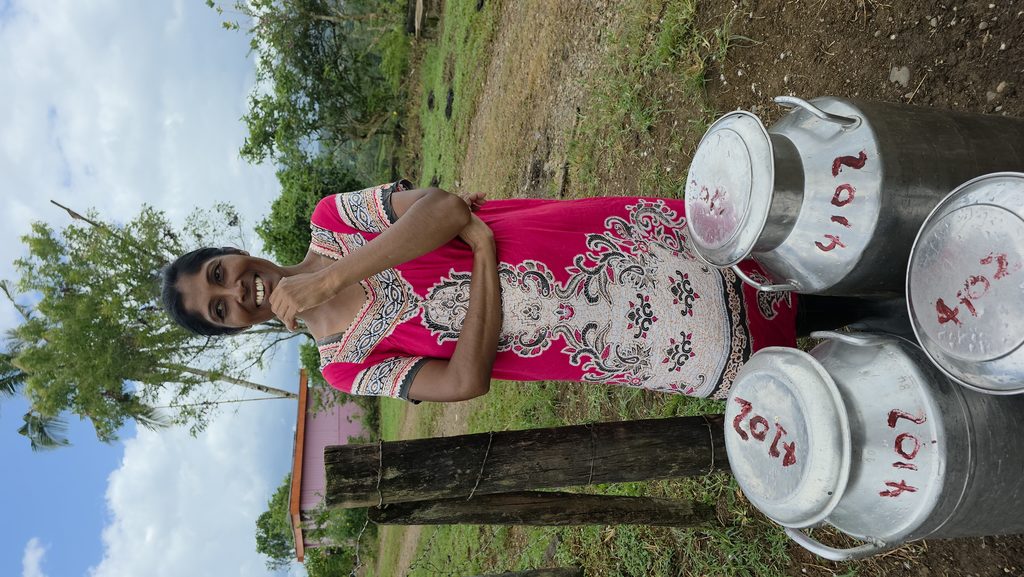
Ashika waits for the day’s milk to be picked up. Picture: JOHN KAMEA
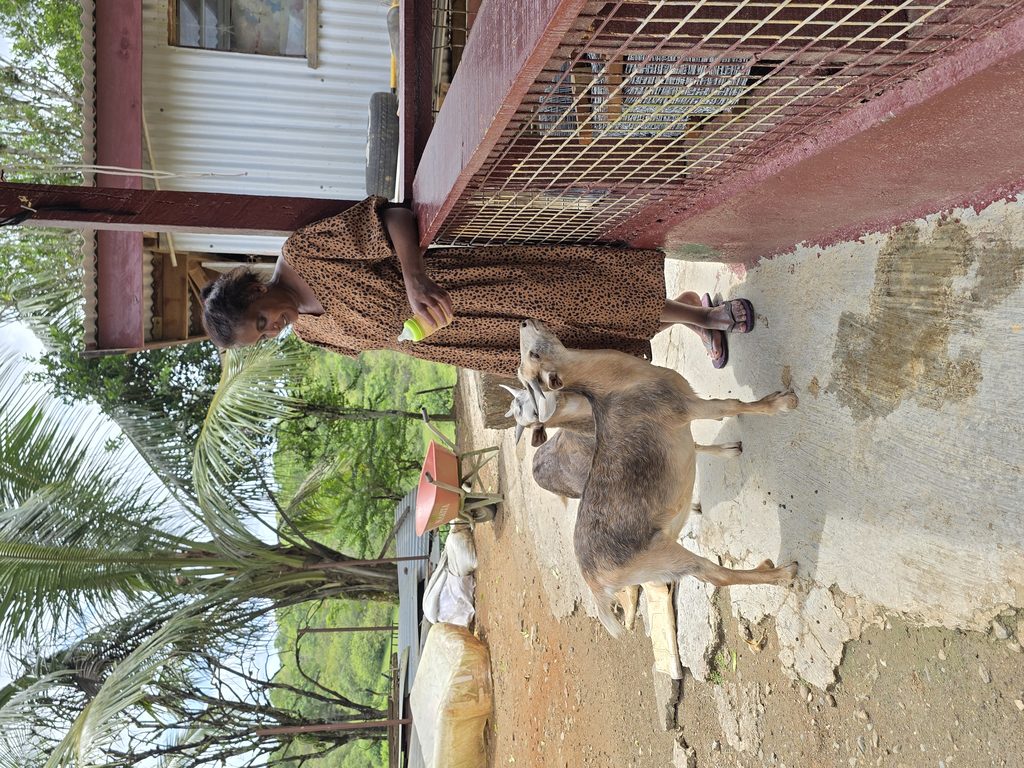
Sanjita gives milk to her two goats,Miti, using a baby’s feeding bottle. Picture: JOHN KAMEA .
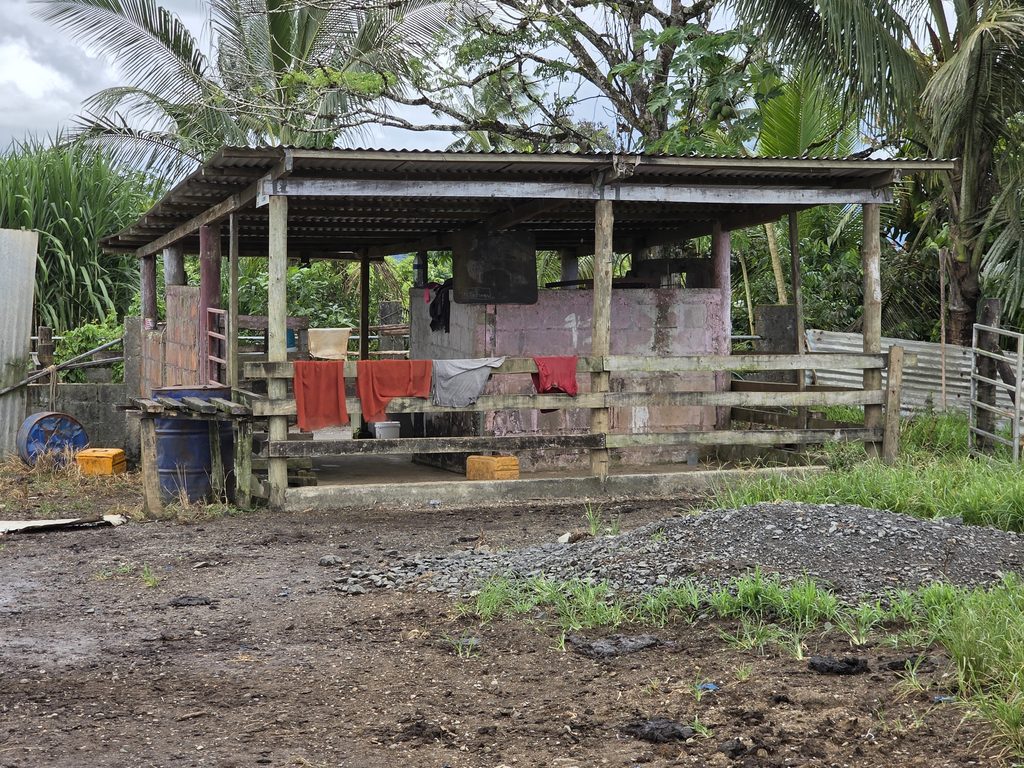
A roadside milk shed in Viria, Naitasiri.
Picture: JOHN KAMEA
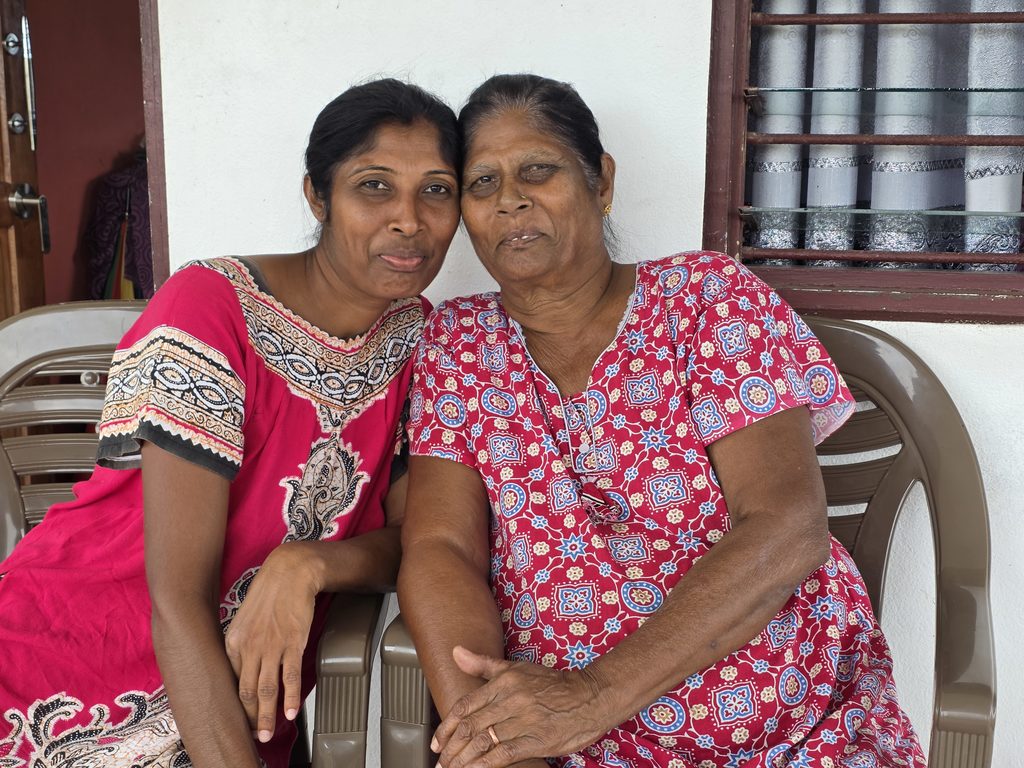
(L-R) Ashika and her mum, Satya, relax at home after a day’s hard work at the milking shed.
Picture: JOHN KAMEA
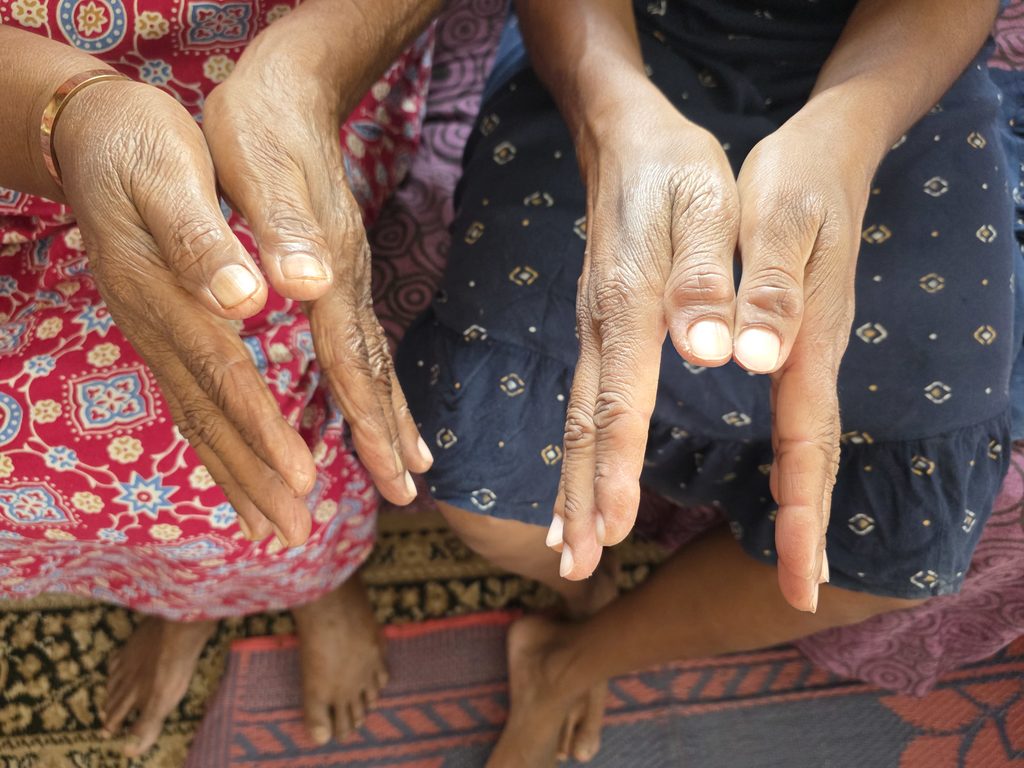
Satya and Ashika show their callused thumbs, a result of repetitive manual milking.
Picture: JOHN KAMEA

