

TUCKED away in the lush interior just outside Nadi, the Sabeto Hot Springs and Mud Pool is quietly gaining recognition as one of Fiji’s most distinctive natural wellness destinations. While the country is globally known for its pristine beaches and luxury resorts, this geothermal site offers a very different experience, rooted in nature, tradition, and community.
For generations, the Sabeto Valley has been known to local villagers as a place of natural healing.
The area sits within a geothermally active zone, where underground heat warms mineral-rich mud and water to the surface.
Long before the arrival of tourists, nearby communities made use of these resources for therapeutic and cultural purposes.
The volcanic mud, naturally infused with minerals such as sulfur, was traditionally applied to the body to help soothe joint pain, improve skin conditions, and promote overall wellbeing.
Elders in the region have often described the mud pools not only as a source of physical relief but also as a place for social connection. Families and community members would gather, share stories, and take part in simple wellness practices that required no modern infrastructure—just the natural environment around them.
This connection between land, health, and community continues to define the experience today.
In recent years, the Sabeto Hot Springs has gradually evolved into a visitor attraction, drawing both international tourists and local residents curious to experience its reputed benefits.
Despite this growth, the site has retained much of its original character.
Unlike commercial spa facilities, it remains largely undeveloped, with a rustic, village-style setting that reflects its origins.
Visitors are guided through a straightforward but memorable process that mirrors traditional use.
The experience typically begins with the application of warm, thick volcanic mud over the body.
Once coated, visitors allow the mud to dry under the sun, forming a natural mask believed to draw out impurities from the skin.
After rinsing off, they move through a series of naturally heated pools, each offering a relaxing soak in mineral-rich water.
Operators at the site say this simplicity is part of its appeal.
There are no elaborate treatments or artificial enhancements—just the raw elements of earth, heat, and water.
For many visitors, the experience is as much about reconnecting with nature as it is about physical relaxation.
Local involvement remains a cornerstone of the attraction and many of those working at the site come from nearby villages, contributing to its operations while helping to preserve its authenticity.
This not only ensures that traditional knowledge is maintained but also provides a source of income and employment in the area.
Tourism stakeholders have increasingly highlighted Sabeto as an example of how Fiji can diversify its offerings beyond its well-established resort industry.
Experiences like the hot springs cater to travellers seeking something more immersive activities that provide insight into local culture and natural environments rather than just scenic views.
According to hotspringssabetofijiandtours.com, the attraction is promoted as suitable for all ages and combines both fun and wellness.
The site emphasises the use of natural volcanic mud believed to have healing properties, followed by therapeutic soaking in geothermal pools.
Its accessibility from Nadi also makes it a convenient addition to travel itineraries.
As interest in wellness tourism continues to grow globally, destinations like the Sabeto Hot Springs and Mud Pool are well positioned to attract visitors looking for authentic and meaningful experiences. While it may still be considered a hidden gem, its blend of natural beauty, cultural heritage, and community involvement suggests it will not remain a secret for long.
In a tourism landscape often dominated by luxury and modern amenities, Sabeto offers a reminder that some of Fiji’s most valuable assets lie in its natural environment and longstanding traditions, quietly waiting to be experienced.
Despite this growth, the site has retained much of its original character.
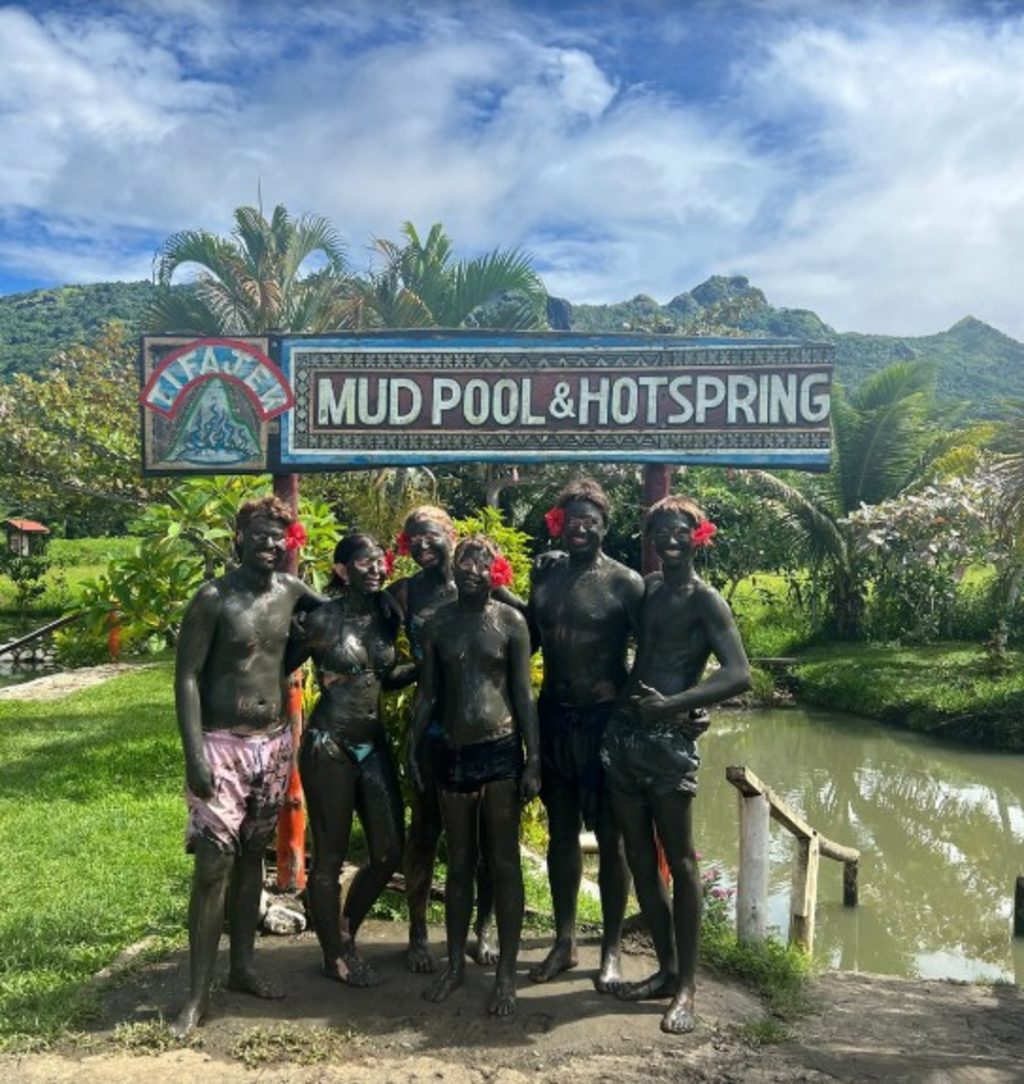
Left: Visitors are guided through a straightforward but memorable process that mirrors traditional use.
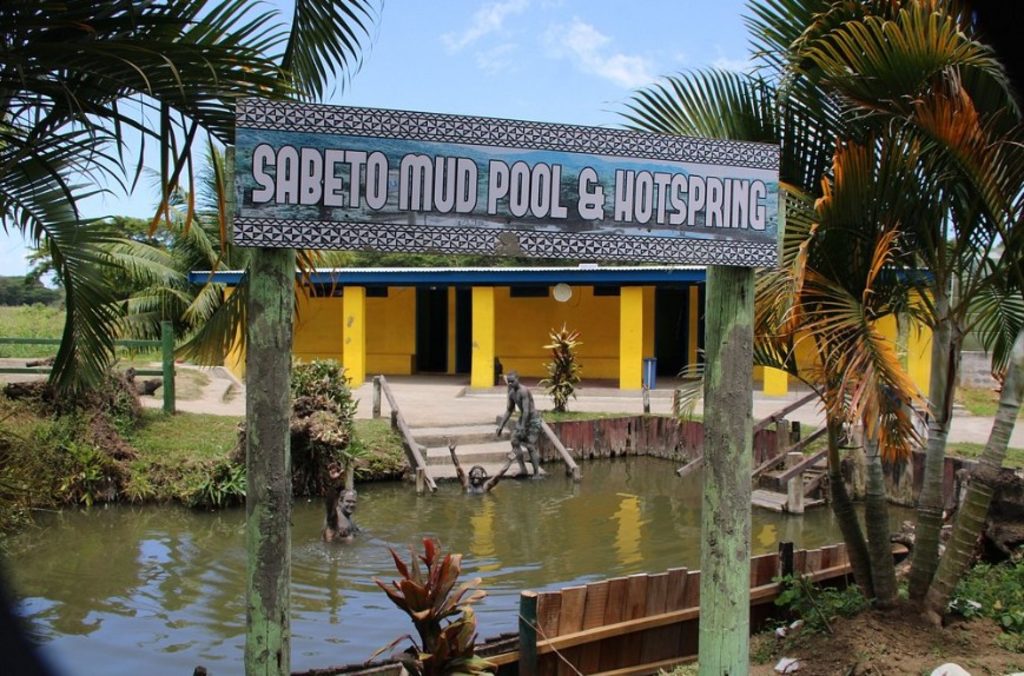
Left: Tourism stakeholders have increasingly highlighted Sabeto as an example of how Fiji can diversify its offerings beyond its well-established resort industry.

