
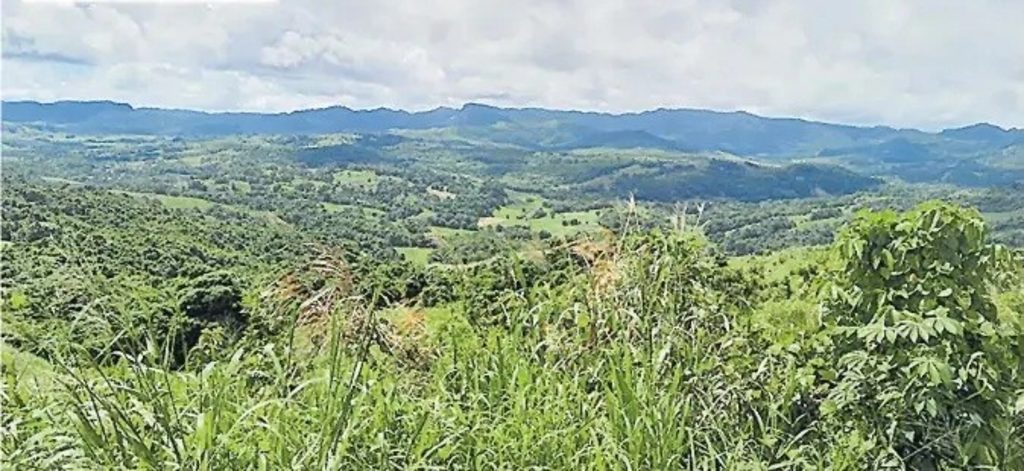
HIGH in the rugged interior of Nubumakita, where the land folds into steep ridges and narrow tracks, stories are not merely told – they are lived, remembered, and anchored to places.
In Nubumakita village in Nasau, Ra, one such story continues to shape both identity and livelihood – the brief but enduring passage of Navosavakadua (Mosese Dukumoi) through the village during his journey to Suva as a prisoner.
Travelling under guard as a prisoner bound for Suva, he had an unplanned stop in Nubumakita that villagers now believe reshaped their future.
The British colonial administrator in Fiji in the late 1800s, Adolph Brewster best described Navosavakadua in his book The Hilltribe of Fiji. Mr Brewster had several encounters with Navosavakadua during his time up in the Colo regions.
Navosavakadua was described by Brewster as “a prophet of sorts gifted with great mystic and occult powers, able at any time to separate his spirit from his body and leaving the latter in his native home visit other places in his astral form.”
Brewster wrote that Navosavakadua meant ” he who speaks but once,” and was the term applied by the Fijians to the Chief Justice, as there was no appeal against his decision. He alone sentenced men to death, and he was considered as an awful and dread personage.
In Nubumakita, the brief but enduring presence of Navosavakadua then continues to shape both identity and livelihood today.
For Sitiveni Waqa, the village Qase ni Turaga, the account is preserved through generations of oral history.
“We were fortunate enough to have played a small role in accommodating the late Navosavakadua,” he said.
“We see it as a blessing because we have witnessed the positive outcomes of what he spoke about the village when he stayed here during his journey.”
A Journey under guard
Taken as a prisoner and escorted to Suva, Navosavakadua’s route led him through Nubumakita, a remote settlement that became a temporary refuge.
“Our elders offered him a place to rest during his journey. They protected him while he stayed here and they offered him food,” Waqa said.
That act of protection, extended in a moment of vulnerability has since taken on deep cultural and spiritual significance.
The place that still holds memory
The site of his rest remains distinctive. Just a few metres away from Waqa’s home is the monument that marks the exact place where Navosavakadua once paused.
“He sat there, hung his coat on a branch, and leaned against a tree,” he said.
Remarkably, that very tree still stands today, its presence bridging past and present for the villagers.
Around it grows croton plants, vibrant shrubs known across the Pacific for their striking, multi-coloured leaves.
“We constructed a small concrete structure as a reminder that our ancestors offered him refuge here during his weary journey,” Waqa said.
“We continue to clean the site, and we show those that come to visit.”
In the late 1800s, Roko Leba of Nubumakita was considered one of the Voula or seer of the Tuka Movement under Navosavakadua. So, Navosa had connection in Nubumakita before seeking refuge there.
For the people of Nubumakita, this is not just a historical marker. It is a sacred site, one imbued with mana.
The power of Mana
Since that brief stay, villagers believe they have witnessed the unfolding of Navosavakadua’s words.
“Ever since his visit, we have seen the mana of offering him refuge.
“What he said upon our village had mana.”
In Fijian belief, mana is a sacred, supernatural force – an energy that flows through people, nature, and objects. It signifies authority, effectiveness, and spiritual power, often tied to outcomes that seem extraordinary or even miraculous.
Stories passed down by elders reinforce this perception of Navosavakadua’s abilities.
“They say if he planted a vudi in the morning, by the afternoon it would bear fruit,” Waqa recounts.
“If he ate a fish and threw the bones back into the water, a new fish would form.”
Whether taken literally or symbolically, these accounts underline the reverence in which Navosavakadua is held.
A prophecy spoken
During his short rest in Nubumakita, Navosavakadua is said to have spoken words that would later be understood as prophecy.
Before modern transport, life in the village was defined by physical hardship.
Farmers would carry their produce by horseback over long distances to reach Nalalawa – the nearest access point to the main road at Rokovuaka (the border of Ra and Tailevu) at the time.
“We would even sleep along the way before continuing the journey.”
But Navosavakadua foresaw a different future for the people of Nubumakita during his stay there.
“He said that the people of Nubumakita would not go through such hardships,” he said.
“He told us that something grown from our land would be in high demand in the future, and people would come to the village to buy it. That was bananas.”
More striking still was the promise of economic independence.
“He said we would earn money from within the village – that we would not need to transport crops by horseback anymore.
Today, that vision has materialised with remarkable clarity.
“We are now witnessing his vosamana (foretell, his prophecy being fulfilled),” he said.
Banana farming has become a cornerstone of the community, with Nubumakita now recognised as one of the highest-banana producing areas in the province of Ra.
Buyers travel directly into the village to purchase produce, reversing the once arduous supply chain.
“We no longer transport our crops on horseback. Buyers come to us,” he said.
The prosperity does not end there.
The village has also achieved significant output in dalo (taro) and yaqona (kava), further strengthening its agricultural standing.
“Apart from bananas, we now have dalo and kava in high production in the village.”
Songs that became reality
Long before roads were built, the village’s future was already being imagined through serekali – traditional Fijian poetic verses used to commemorate events or offer praise.
The serekali are grounded on Navosavakadua’s prophecy upon the village.
“There was a serekali that described a dry road being used to transport bananas,” Waqa explained. “At that time, it seemed impossible. But now, it is our reality.”
Today, roads connect the highlands to towns and cities, with trucks carrying bananas daily along routes once navigated only by foot and horseback.
Another serekali followed, predicting the rise of other crops.
“Our elders later sang that after bananas, other produce would follow in demand, which is yaqona,” Waqa said. “Now, it is our best-selling product in the village.”
The verses even anticipated the broader impact of this prosperity.
“The words said from these crops, we would be able to buy food and other necessities. That is exactly what is happening today in the village.”
For the people of the village, the legacy of Navosavakadua is not confined to history, it is visible in their farms, their roads, and their daily lives.
And it all traces back to a single act of refuge offered in a moment of hardship and remembered as the beginning of abundance for Nubumakita.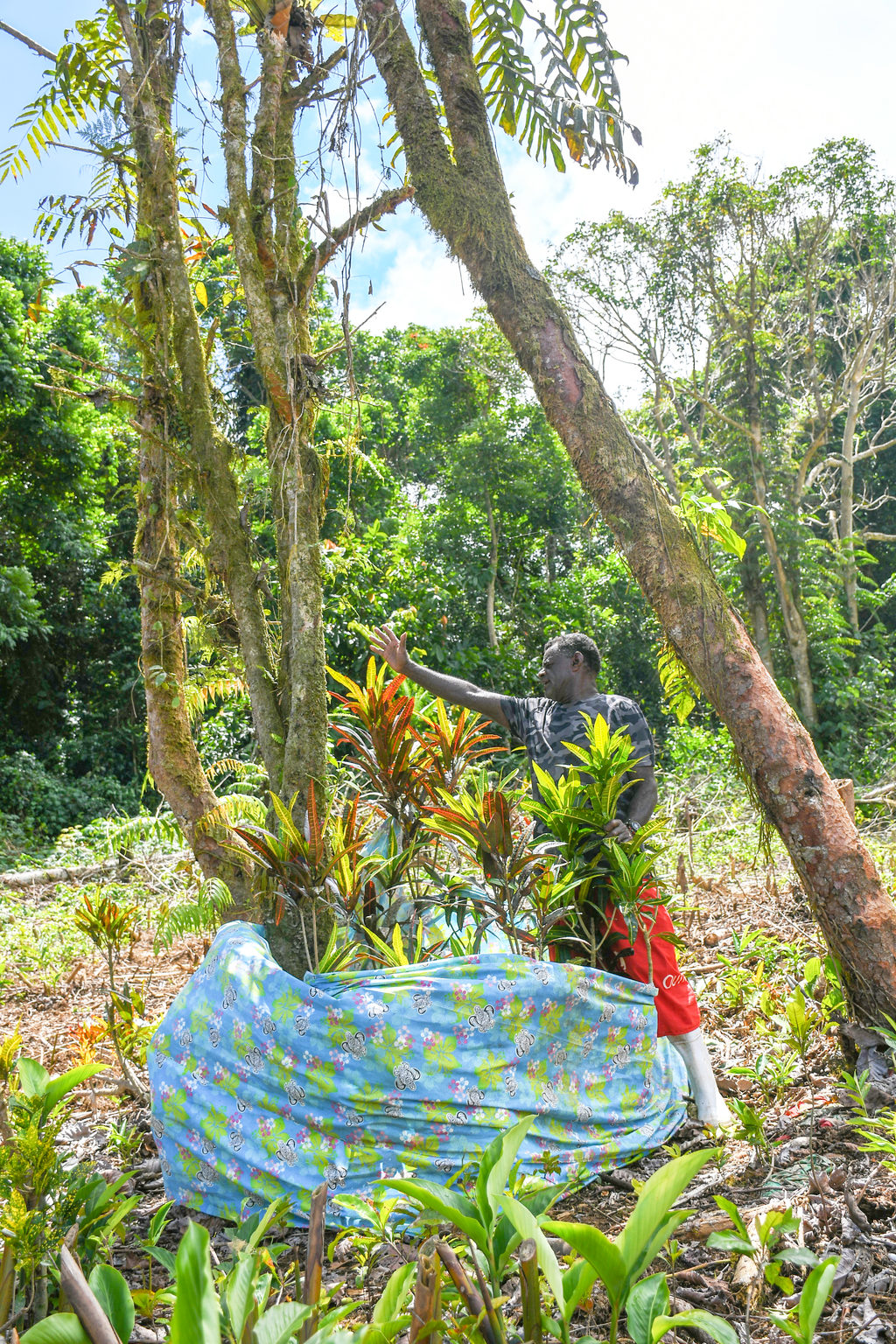
Just a few metres away from Waqa’s home is the monument that marks the exact place where Navosavakadua once paused. Picture: LITIA RITOVA
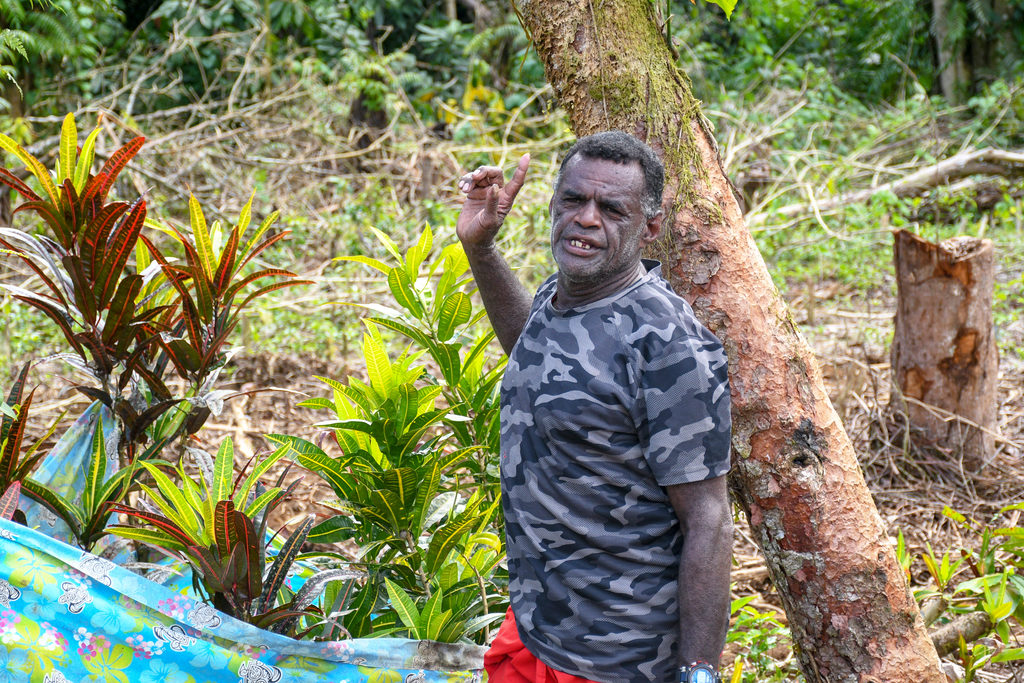
Qase ni Turaga, Sitiveni Waqa’s elders had offered Navosavakadua a place to rest during his journey to Suva in the 1800s. Picture: LITIA RITOVA
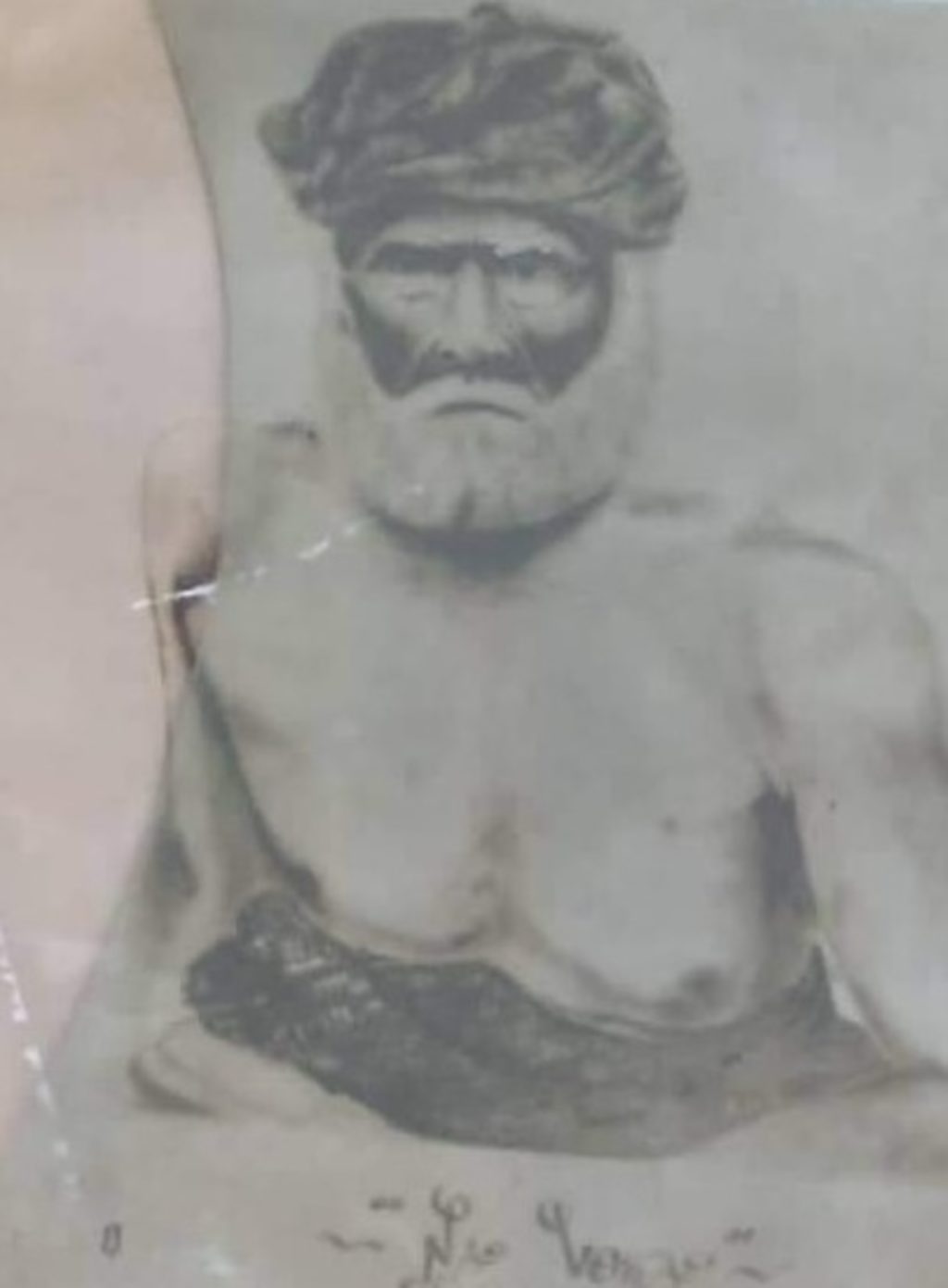
A picture of a man believed to have been Navosavakadua. Picture: SUPPLIED
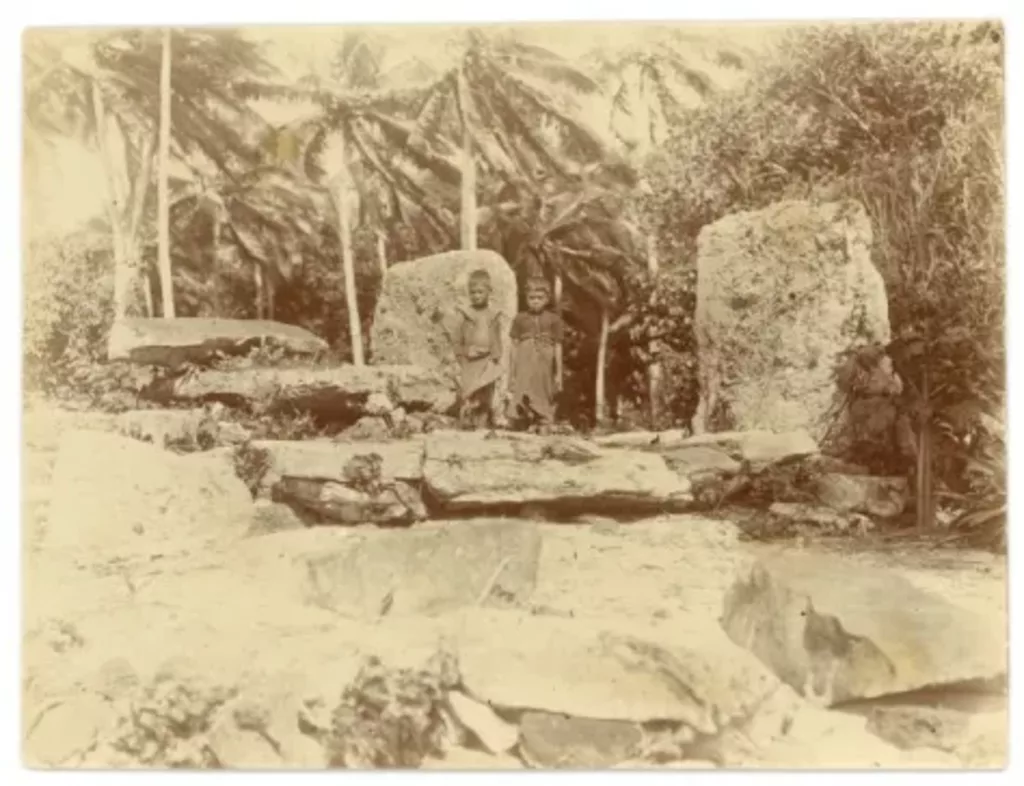
Tombs in Rotuma. Navosavakadua died and was buried in Rotuma. Picture: NATLIB.GOVT.NZ
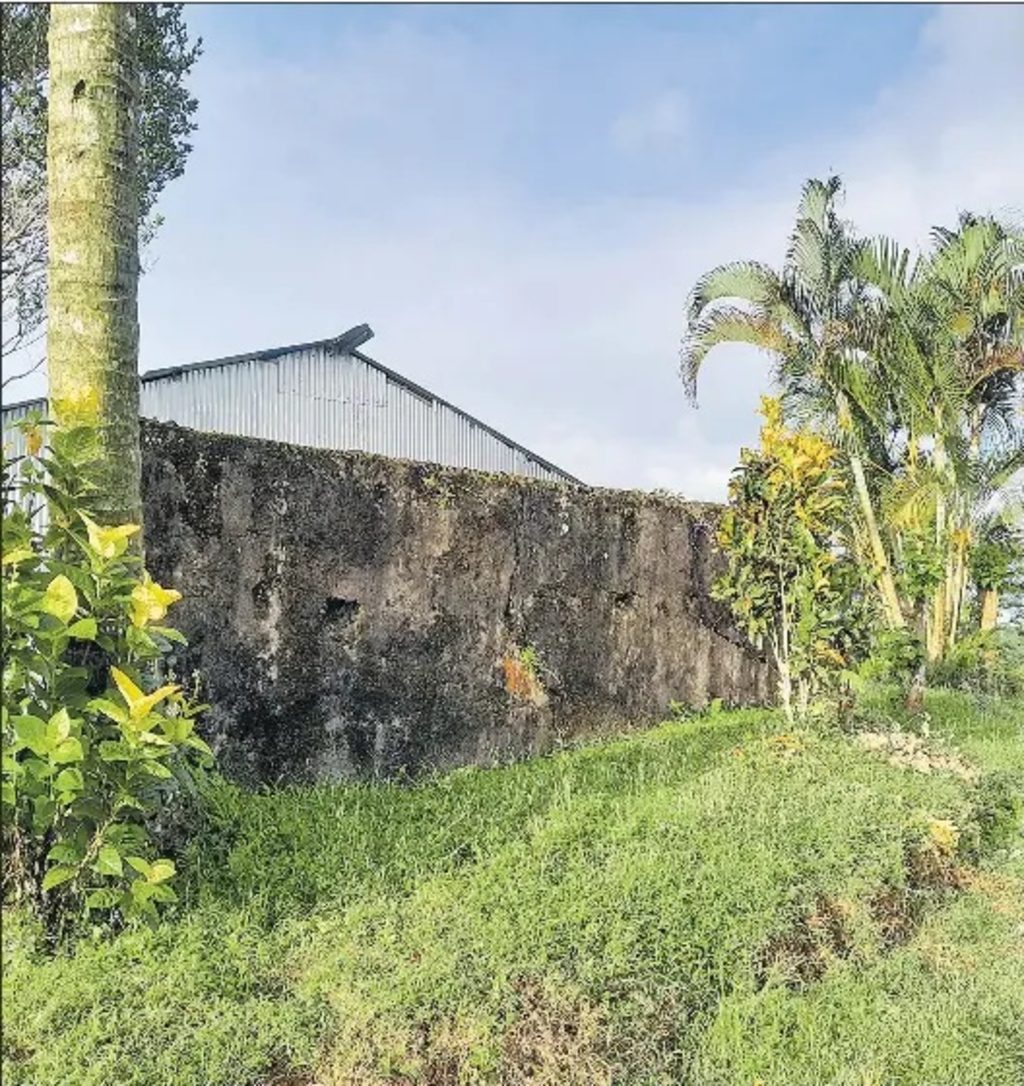
Ruins of a medical outpost used during Second World War lie silent within Nubumakita Village.
Picture: FT FILE
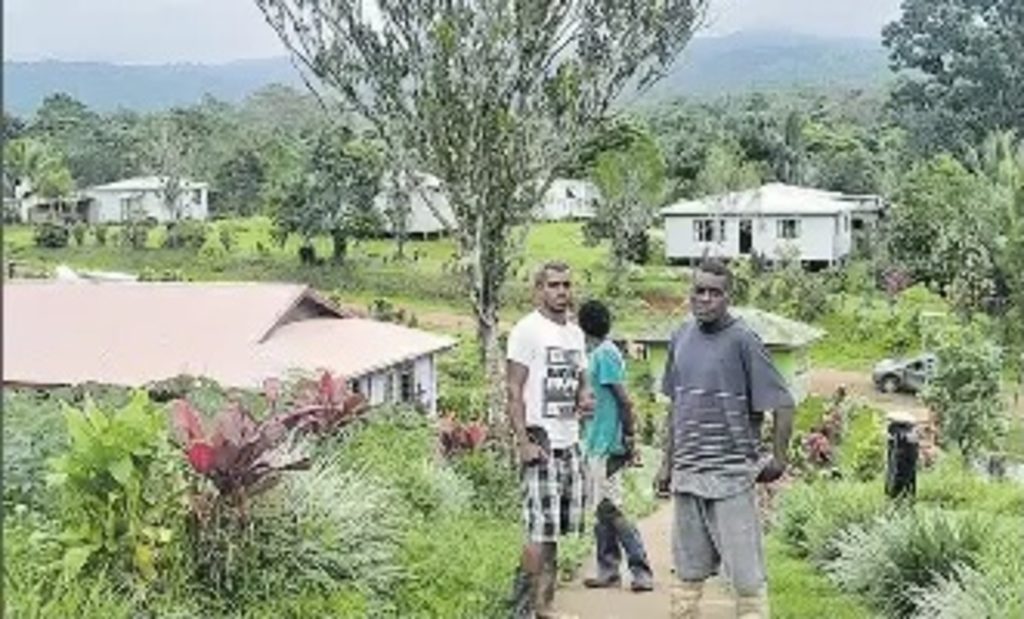
Nubumakita Village in Ra. Picture: FT FILE
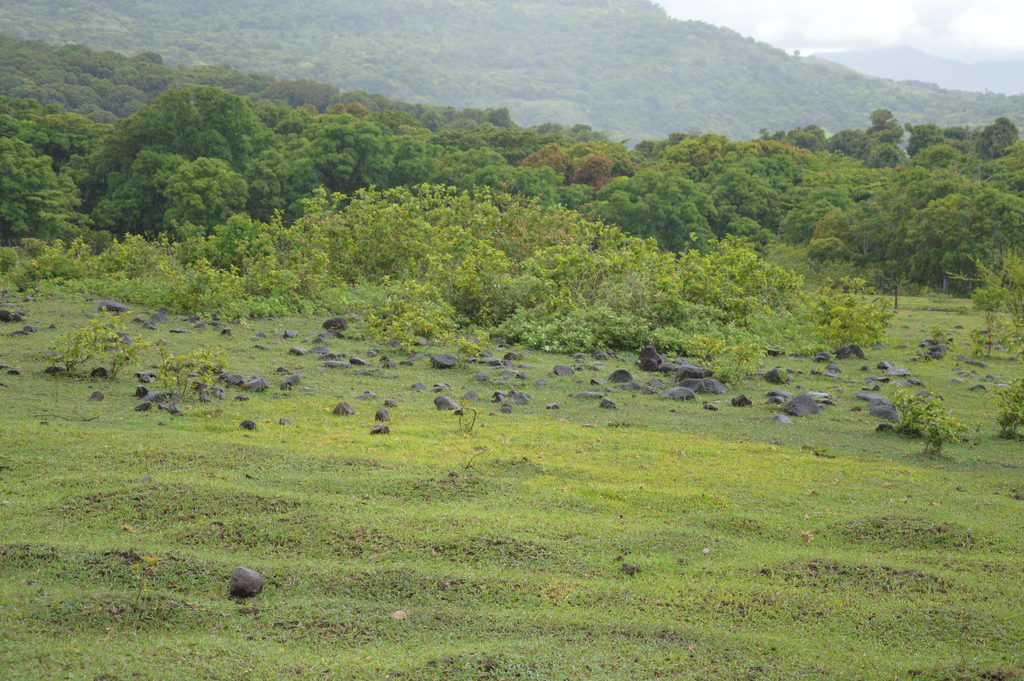
The ruins of Nakorowaiwai Village in Ra, where Navosavakadua’s followers once lived. Picture: JOHN KAMEA

