
During Easter and Eastertide, we are invited once again to stand before the empty tomb and hear the angel’s words:
“He is not here; He has risen, just as He said” (Matthew 28:6). The stone has been rolled away, and with it, the power of sin and death has been broken. This is not only a message of hope for the Church but a call to action for our nation.
Today, Fiji faces a crisis that threatens the very heart of our future: the growing scourge of drugs among our youth. Families are grieving, communities are struggling, and young lives are being stolen by addiction and despair.
Yet Easter reminds us that no darkness is too deep for the light of Christ to overcome.
The reality of the drug crisis
Across our islands, stories abound of young people lured into drug use sometimes through curiosity, sometimes through peer pressure, and often through the false promise of escape from hardship.
What begins as experimentation quickly becomes bondage. Addiction leads to broken families, crime, and wasted potential.
The Apostle Paul warns in Romans 6:16: “Don’t you know that when you offer yourselves to someone as obedient slaves, you are slaves of the one you obey—whether you are slaves to sin, which leads to death, or to obedience, which leads to righteousness.”
Drug abuse is a form of slavery, chaining our youth to destructive patterns. But Easter proclaims freedom: “If the Son sets you free, you will be free indeed” (John 8:36).
A missional response
The resurrection compels us not only to celebrate but to act, for mission means stepping into the pain of our communities with the love of Christ.
Prevention through education is essential, teaching children early that their bodies are temples of the Holy Spirit (1 Corinthians 6:19).
Schools and churches must work hand in hand to instil values that resist temptation, equipping young people with the strength to stand firm against destructive influences.
Support for families is equally vital, as parents need encouragement and practical tools to guide their children wisely.
The home must be reclaimed as a place of prayer, dialogue, and vigilance, where faith is modelled and resilience is nurtured.
Rehabilitation must also be offered with compassion, ensuring that those caught in addiction are not shamed or abandoned but welcomed into the Church as a place of healing, counselling, mentorship, and spiritual renewal.
Advocacy for justice completes this mission, calling believers to stand with government and civil society to strengthen laws, protect communities, and prevent traffickers from exploiting youth.
Mission is not confined to pulpits but lived out in classrooms, workplaces, and streets, where every believer is called to be salt and light (Matthew 5:13–16), shining hope where despair threatens to dominate and bringing transformation through Christ’s love.
Easter hope
Easter message must be spoken in a way that resonates with the struggles of young people: resurrection means new beginnings, reminding them that no matter how far they have fallen, God offers a fresh start; resurrection means identity, assuring them that they are not defined by their mistakes or addictions but by the love of Christ who calls them His own.
Resurrection also means purpose, declaring that God has a mission for every young person—to live abundantly, to serve others, and to glorify Him.
As Jeremiah 29:11 proclaims, “For I know the plans I have for you,” declares the Lord, “plans to prosper you and not to harm you, plans to give you hope and a future.”
This is the promise we must speak over our youth, especially those who feel trapped by drugs, so they may know that in Christ, hope and renewal are always possible.
The role of the wider community
The drug crisis is not only a youth problem but a national one, demanding communities to rise together in protecting, nurturing, and empowering the next generation.
Schools must integrate moral and spiritual formation alongside academic learning, government agencies must strengthen enforcement while investing in rehabilitation programs, and churches must expand outreach, discipleship, and mentorship initiatives.
Families, too, must reclaim their role as the first line of defence, modelling faith and resilience in the face of challenges.
Easter reminds us that transformation is possible, and just as the stone was rolled away from the tomb, so too can the heavy stones of addiction, despair, and brokenness be rolled away from our communities.
With united effort and faith, hope and renewal can take root, bringing light into places of darkness and healing into lives that have been broken.
A call to action
This Easter, let us not only rejoice but also commit ourselves to action, rising with Christ into a new season of hope for Fiji.
We must pray for our youth daily, asking God to shield them from temptation and strengthen them in faith, while speaking life into their journeys, affirming their worth, and reminding them of God’s unfailing love.
At the same time, we are called to act with courage—whether by mentoring, volunteering, or supporting initiatives that fight drug abuse—so that our young people know they are not alone in their struggles.
Every effort, no matter how small, becomes part of the larger mission to restore hope and dignity to those who feel trapped.
Finally, we must unite across denominations, organisations, and communities, recognising that this battle requires all hands and hearts. Easter reminds us that transformation is possible, and together we can roll away the heavy stones of addiction and despair, ushering in a future filled with hope, renewal, and life abundant for our nation.
Conclusion: Easter as our anchor
The resurrection of Jesus is the anchor of our hope.
It tells us that death does not win, despair does not win, and addiction does not win. Christ wins.
And because He lives, we too can face tomorrow with courage.
As Fiji celebrates Easter, may we not only rejoice in the empty tomb but also rise to confront the challenges before us.
Let us declare with conviction: “Thanks be to God! He gives us the victory through our Lord Jesus Christ” (1 Corinthians 15:57).
May this Easter be a turning point—a season where the light of Christ pierces the darkness of drug abuse, where our youth discover their God-given identity, and where our nation steps boldly into a future filled with hope.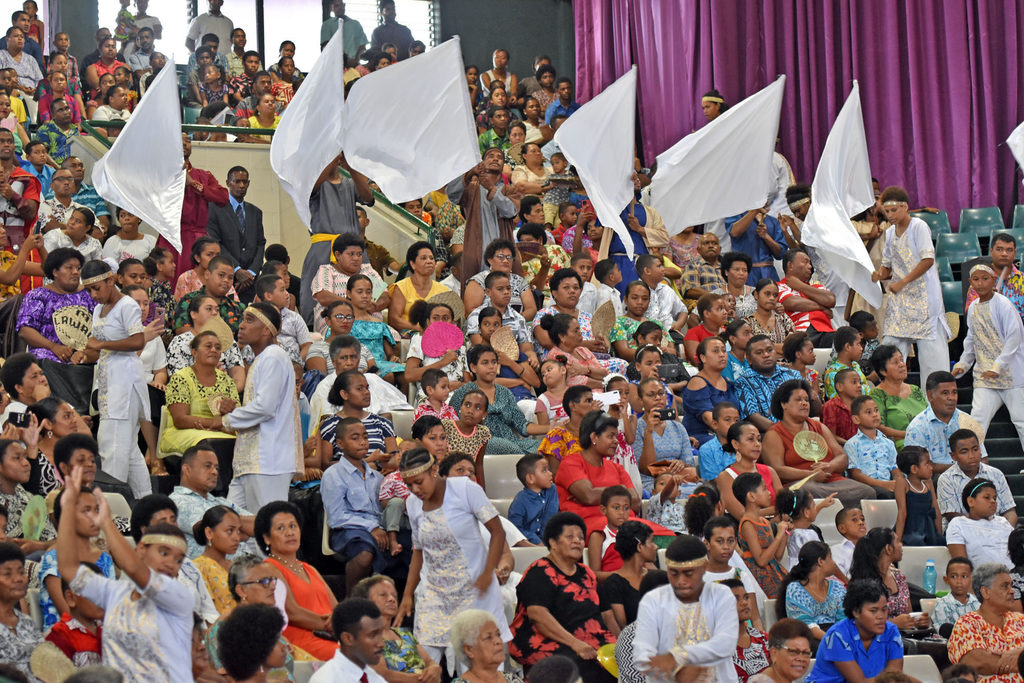
The crowd and Arc Angels sing and dance during the Jesus resurrection drama at World Harvest Centre.
Picture: FILE
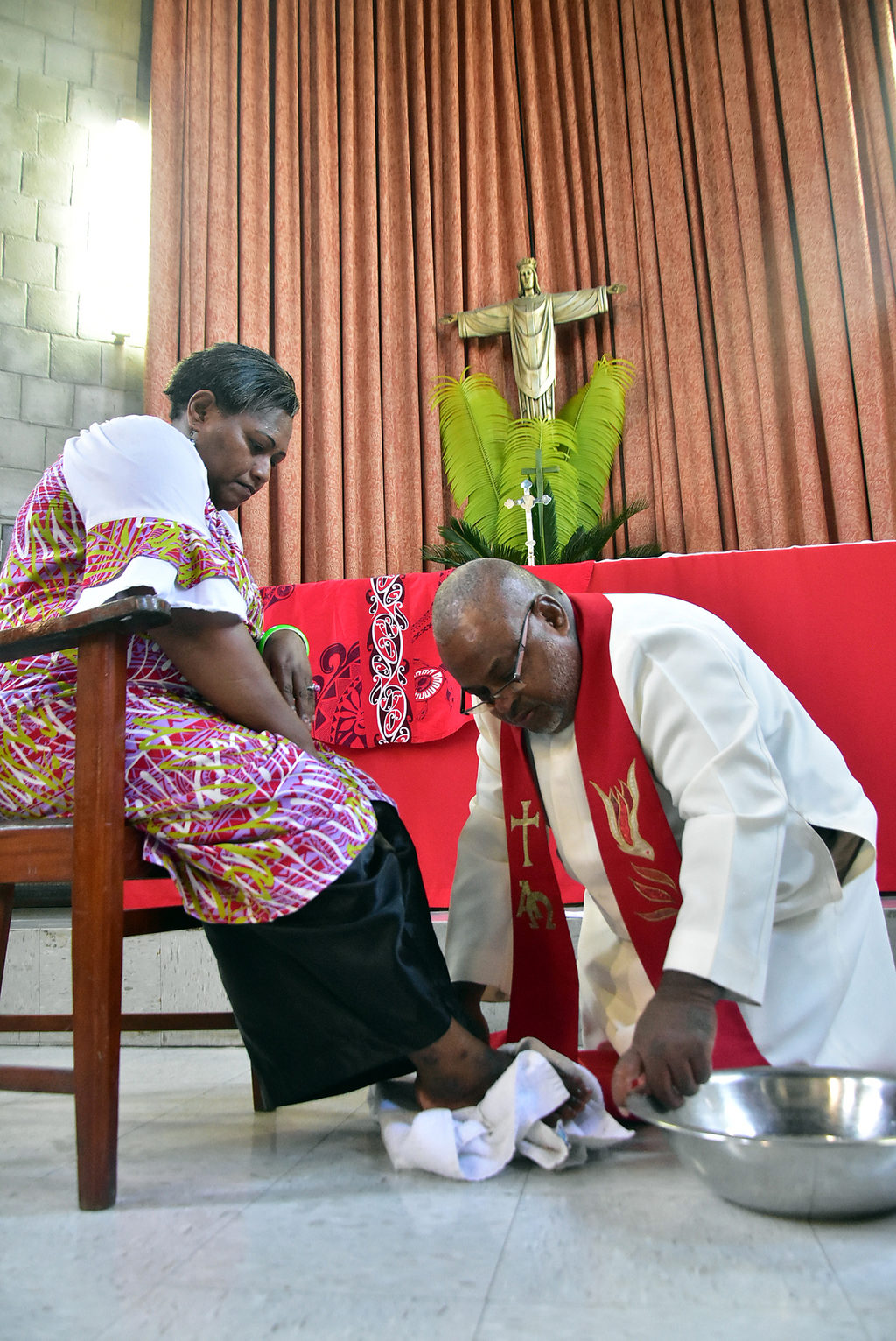
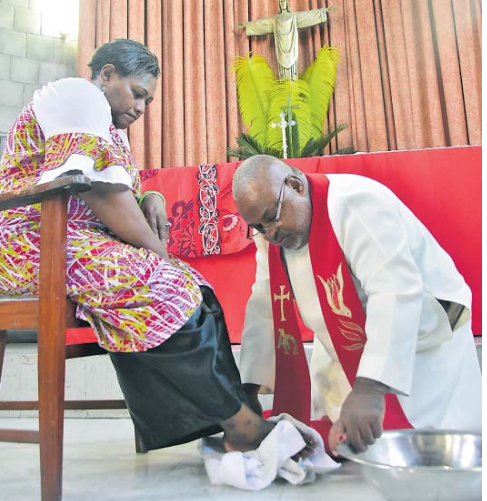
The Dean of the Holy Trinity Cathedral Church, Reverend Orisi Vuki right, washes the feet of Marica a church
member at the Holy Trinity Cathedral Church in Suva.
Picture: FT FILE
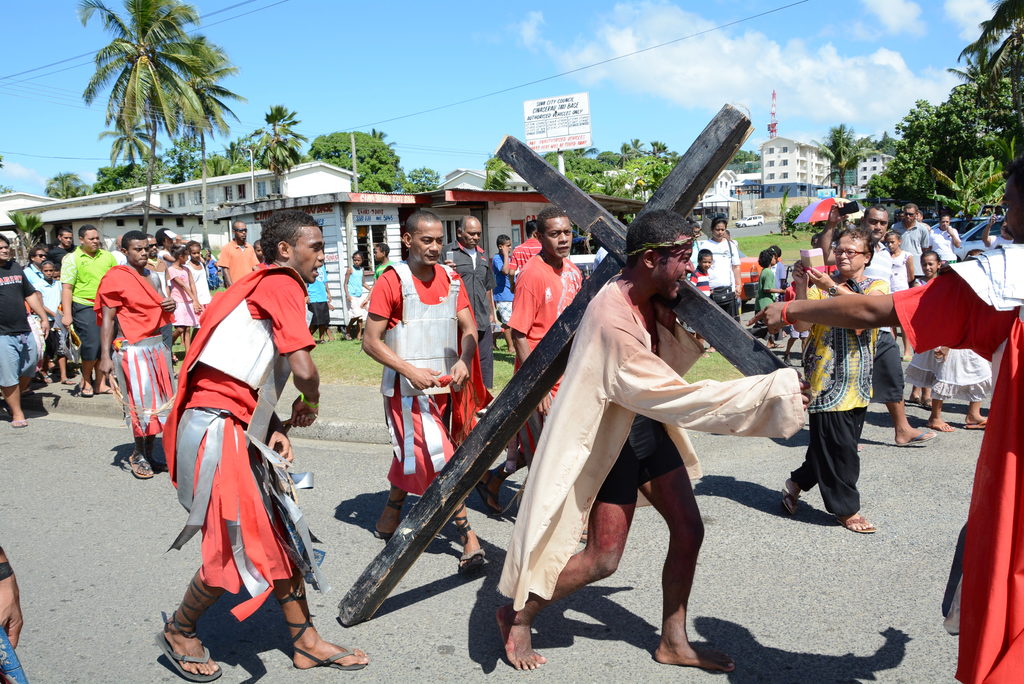
Raiwaqa parishioners during the Easter drama. Picture: FILE
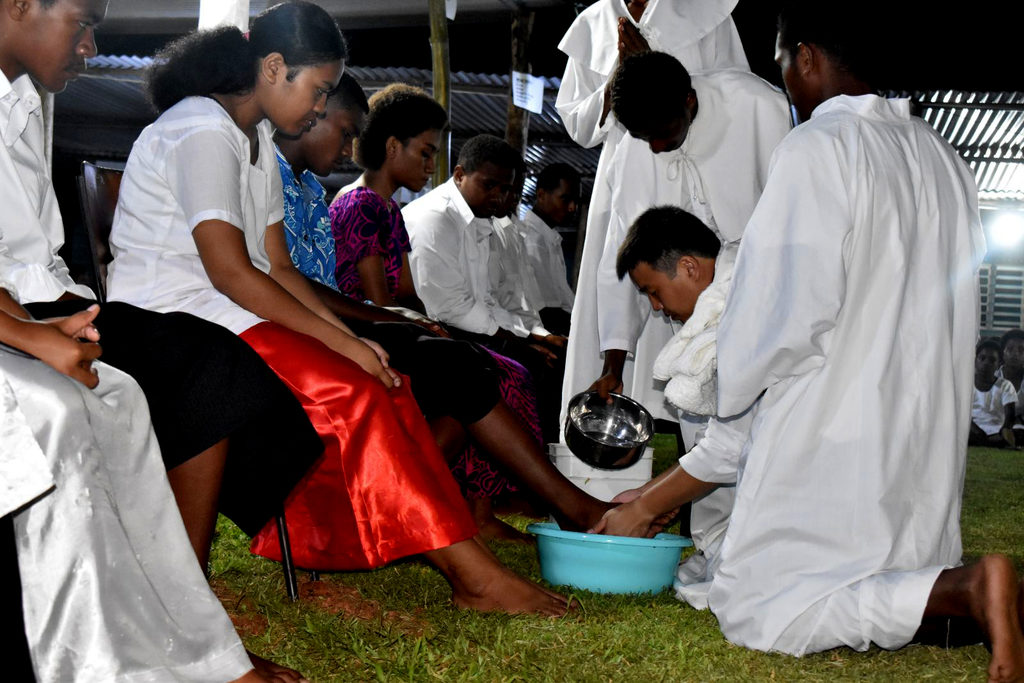
Father Euikyun Carlo Jung (Missionary Society of St. Columban) washes the feet of parishoners during mass on Holy Thursday at the Holy Family Catholic Church in Labasa. Picture: SOPHIE RALULU
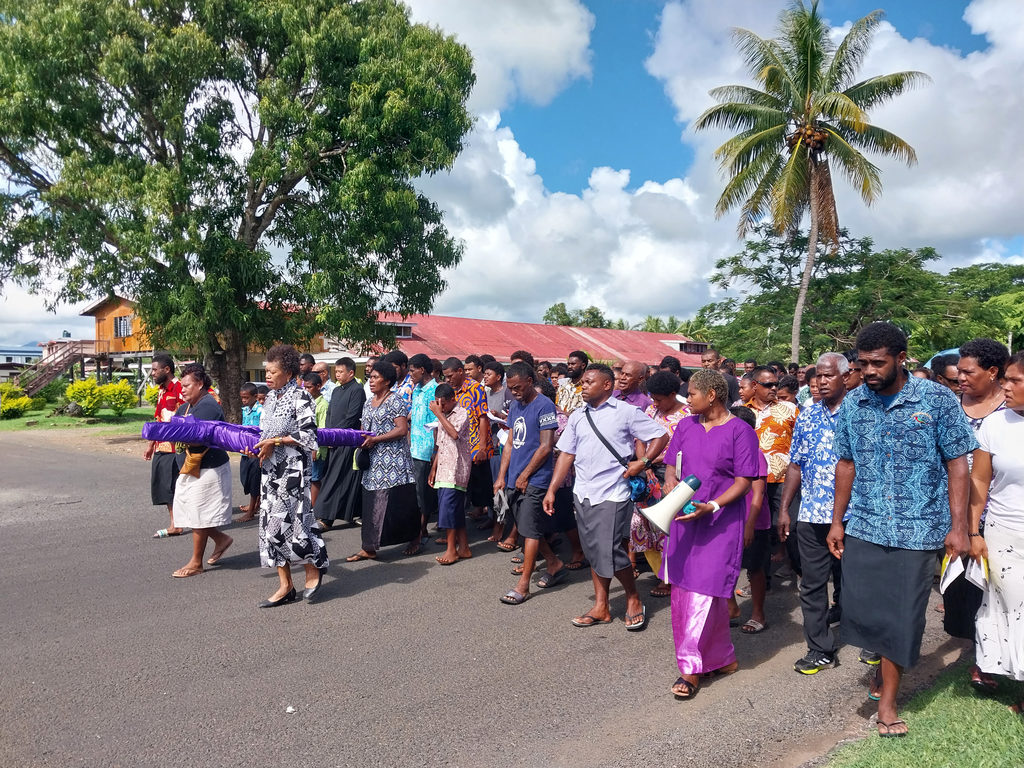
Adela Maitoga (black Tshirt), Maria Bati and Usenia Mamao carry the cross during the procession in Labasa. Picture: FILE
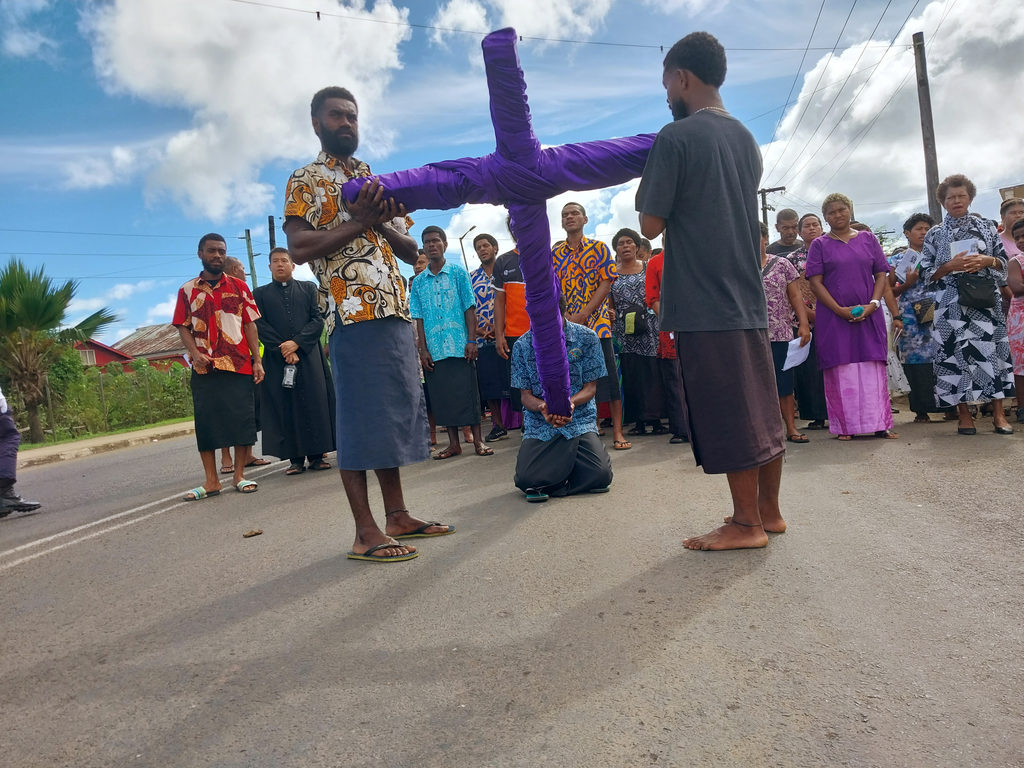
Catholics in Labasa during the cross walk in town.
Picture: FILE
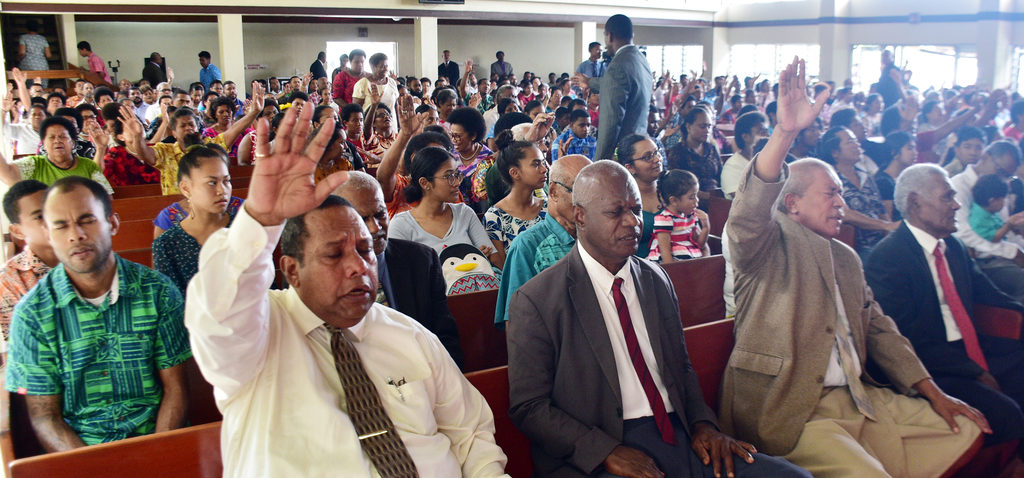
The members of the AOG at Calvary Temple in Samabula during their Easter morning church service. Picture: FILE
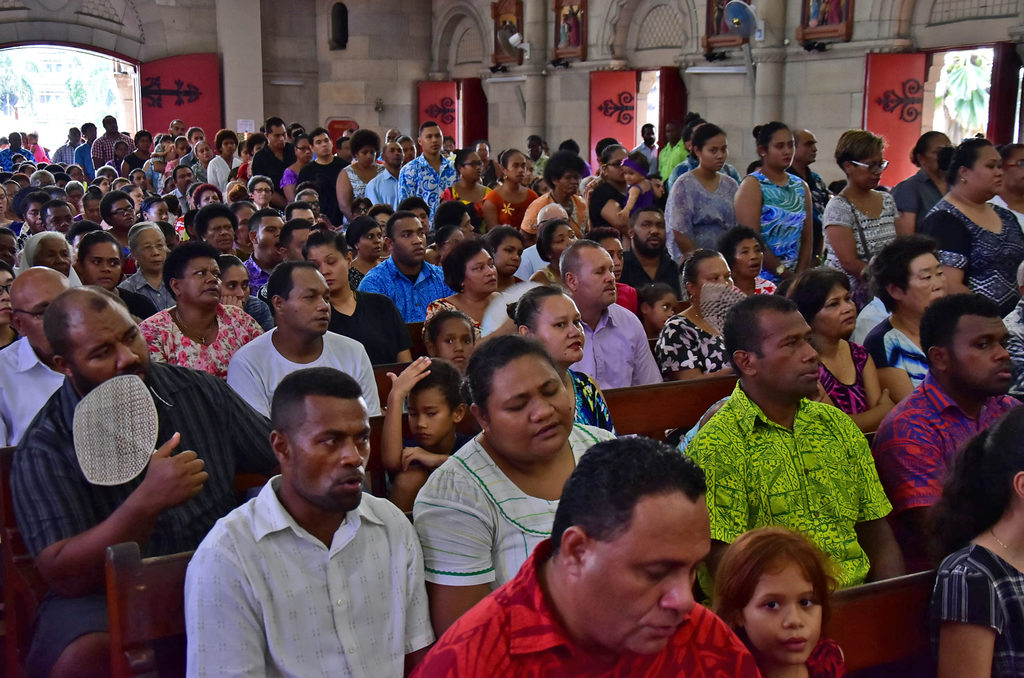
Catholic believers during their Easter service at the Sacred Hearts Cathedral church in Suva on Good Friday. Picture: JONACANI LALAKOBAU

