
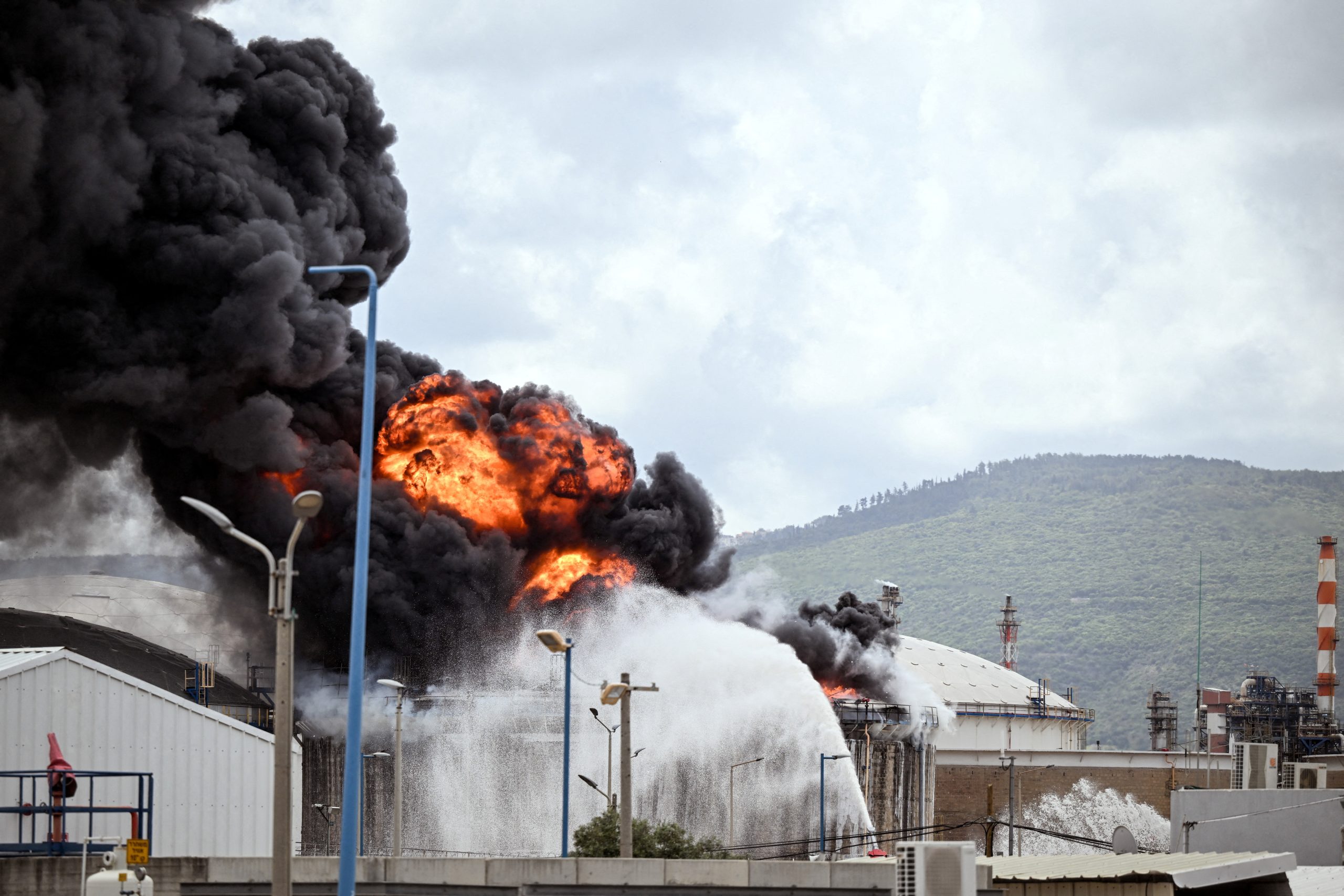
The rise in fuel prices in Fiji have been directly linked to escalating tensions in the Middle East, particularly disruptions affecting the Strait of Hormuz, the Fijian Competition and Consumer Commission said in a statement issued last night.
According to the FCCC, global crude oil prices increased in February 2026, supported by heightened geopolitical risks, concerns over supply disruptions and strong market demand.
“Price volatility remained elevated over the month amid heightened uncertainty across geopolitical and macroeconomic fronts,” the Commission said.
It noted that the situation worsened in March as conflict in the Middle East intensified, significantly affecting global oil supply routes.
The Strait of Hormuz, a critical passage through which about 20 per cent of the world’s seaborne oil is transported, has been at the centre of the disruption.
The FCCC said much of this oil originates from Gulf Cooperation Council countries, including Saudi Arabia, the United Arab Emirates and Kuwait, with Asian markets among the major importers.
“The recent conflict has caused the largest disruption in the history of the oil market, affecting 20 per cent of global supplies,” the statement said.
While some alternative pipelines exist, a large share of oil exports still relies on the strait, making global markets highly sensitive to instability in the region.
The disruption has contributed to sharp volatility in oil markets, with prices at times exceeding US$100 per barrel.
“These global factors have contributed to the changes in local refined fuel prices in Fiji effective 1 April 2026,” the FCCC said.
The Commission noted that Fiji, as an oil-importing country, remains vulnerable to international price shocks driven by geopolitical developments.

