
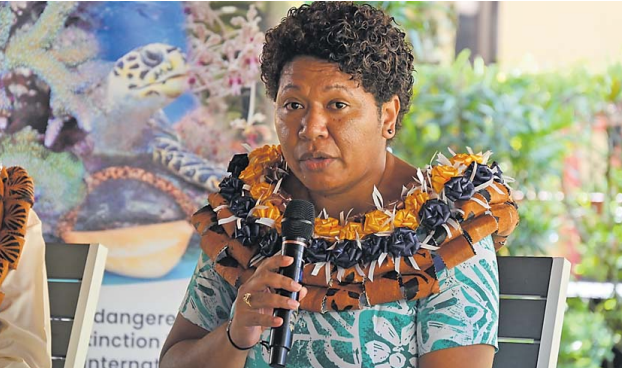
FOR generations, Fijians have relied on plants for traditional medicine — treating fevers, infections, wounds, and supporting maternal health — says Kelera Tokalau, a senior environment officer at the Ministry of Environment and Climate Change.
Speaking at the World Wildlife Day celebrations at Kula WILD Adventure Park in Sigatoka, Ms Tokalau said this knowledge was passed down orally, through observation, and a deep respect for the land.
“The knowledge held by our elders and traditional healers is a living heritage, and biodiversity is the foundation upon which it was built,” she said.
But she warned that this heritage faced mounting threats from deforestation, habitat loss, invasive species, illegal wildlife trade, pollution, and climate change.
“When a species disappears, we do not just lose a plant or an animal, we lose knowledge, opportunity, and part of our identity.”
Ms Tokalau stressed that conservation was not just an environmental concern, but also a health, cultural, social, and economic issue.
“Our coral reefs protect our shores, our forests regulate water and climate, our mangroves shield communities from storms, and our wildlife sustains tourism, livelihoods, and food security.”
She said Fiji continued to strengthen its commitment through environmental legislation, enforcement, and partnerships with communities and organisations.
“Conservation cannot be achieved by Government alone. The medicines of the future may still be growing in our forests. The solutions to climate resilience may still exist in our ecosystems. If we protect biodiversity, we secure our future.”

