
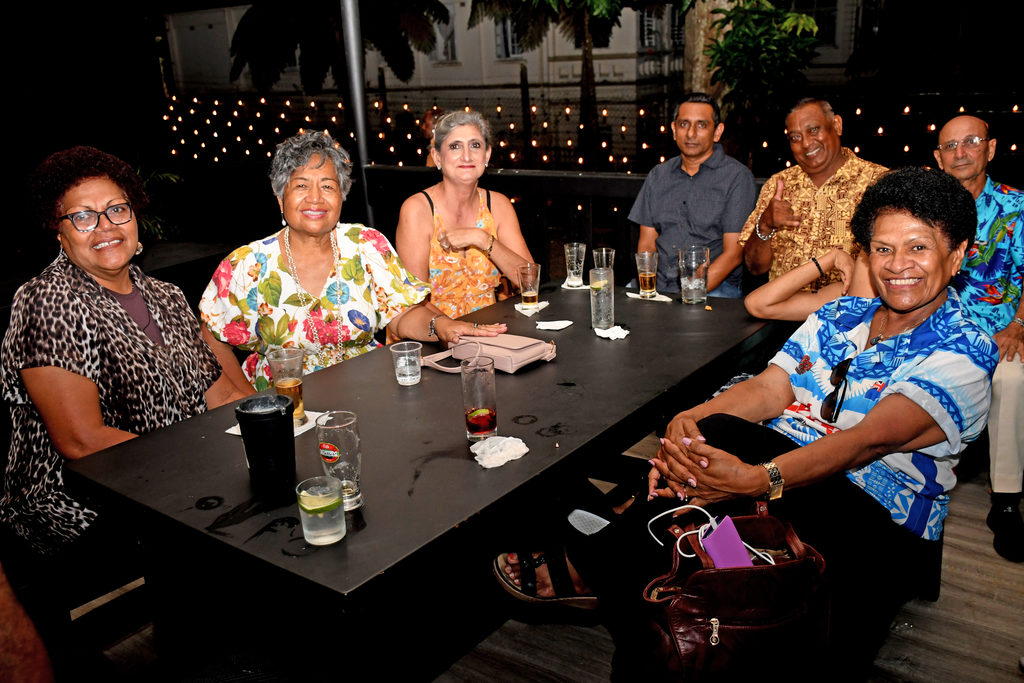
FOR more than half a century, Ross McDonald has walked through the doors of the Fiji Club – sometimes for a game of squash, sometimes for a quiet drink, but always for the same reason.
For him, the club has never just been about facilities or formal gatherings.
“I think the most important aspect is that it’s a social centre for the community,” Mr McDonald said.
“It’s a place where people can meet, get together and enjoy each other’s company.”
Mr McDonald, who is also a trustee, joined the club in the early 1970s and estimates he has been a member for just over 50 years. Over that time, he has watched the institution evolve alongside the changing social landscape of Suva.
“When I was a young man in my thirties, I used to run around and play squash here.”
Back then, the club’s squash courts were bustling with activity, particularly during business house competitions.
“I worked for Pearson Company at the time, which later became Burns Philp, and we had a squash team.
“There were competitions between different companies. You’d play your game and afterwards you’d come back into the club, sit down, have a drink, and just enjoy each other’s company.”
Those moments, he said, captured the essence of the club – a place where friendships were formed across professions, communities, and generations.
“The big thing you get out of a club like this is friendship, you meet people from all walks of life that you probably wouldn’t have met otherwise.”
The club has also long been a gathering place for families. Members would bring their children to swim or spend weekends together, reinforcing its role as more than just a venue.
But the story of the Fiji Club stretches back well before Mr McDonald’s time.
Founded in 1875 in Levuka, just a year after Fiji was ceded to Britain, the club quickly became a hub for the colony’s administrative and professional class. At the time, Levuka served as the country’s capital and commercial centre, and the club provided a space where officials, merchants and visitors could meet, exchange ideas and unwind.
Its fortunes, however, were closely tied to the town itself. When the capital shifted to Suva in 1881, Levuka’s prominence declined and the club ceased operations for a period.
It was later revived in Suva by former members and prominent figures, marking the beginning of a new chapter. Established near government offices, the club quickly regained its place as a central meeting point in the capital.
In its early years in Suva, the club was elaborately furnished and offered facilities that reflected its importance — a reading room stocked with international newspapers, dining halls, parlours, guest rooms and spaces for discussion and social interaction.
Over time, however, both the club and its membership changed.
Mr McDonald recalls a time when membership numbers were significantly higher.
“At one stage we had about 700 or 750 members. Now it’s somewhere around 280 to 300.”
He believes the shift reflects broader changes in society.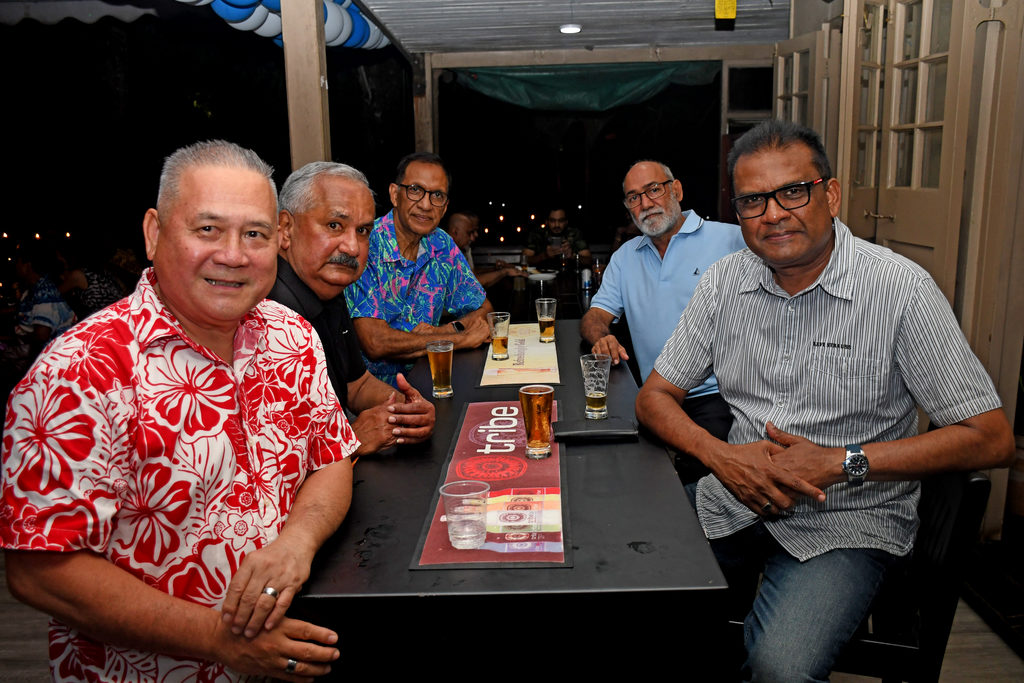
Fiji Club president Park Yuen (front left), with some members during the Fiji Club’s 151st Anniversary in Suva. Pictures: JONA KONATACI
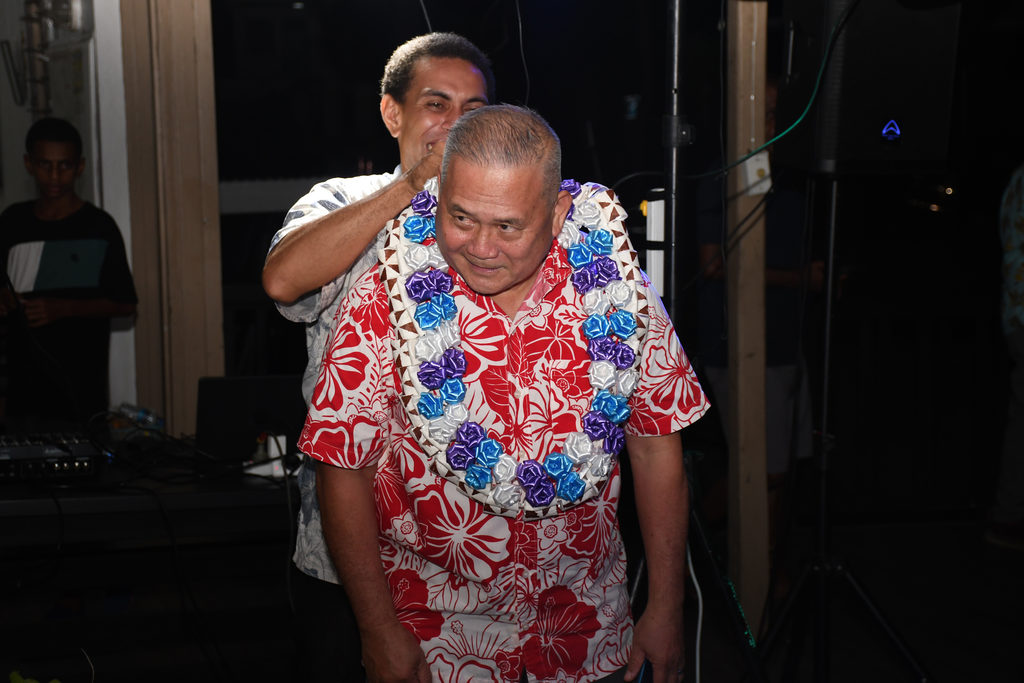
Fiji Club president Park Yuen is being garlanded during the Fiji Clubs 151 Annverssary in Suva on Saturday. Picture: JONA KONATACI
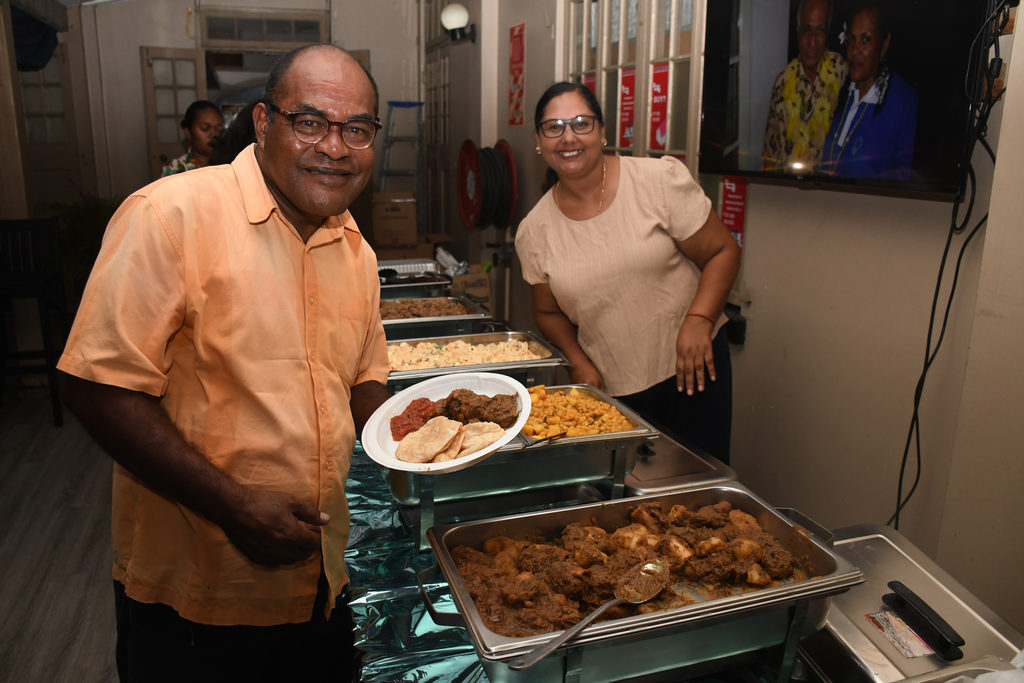
Richard Nath enjoys dinner during the Fiji Club’s 151st anniversary earlier this month.
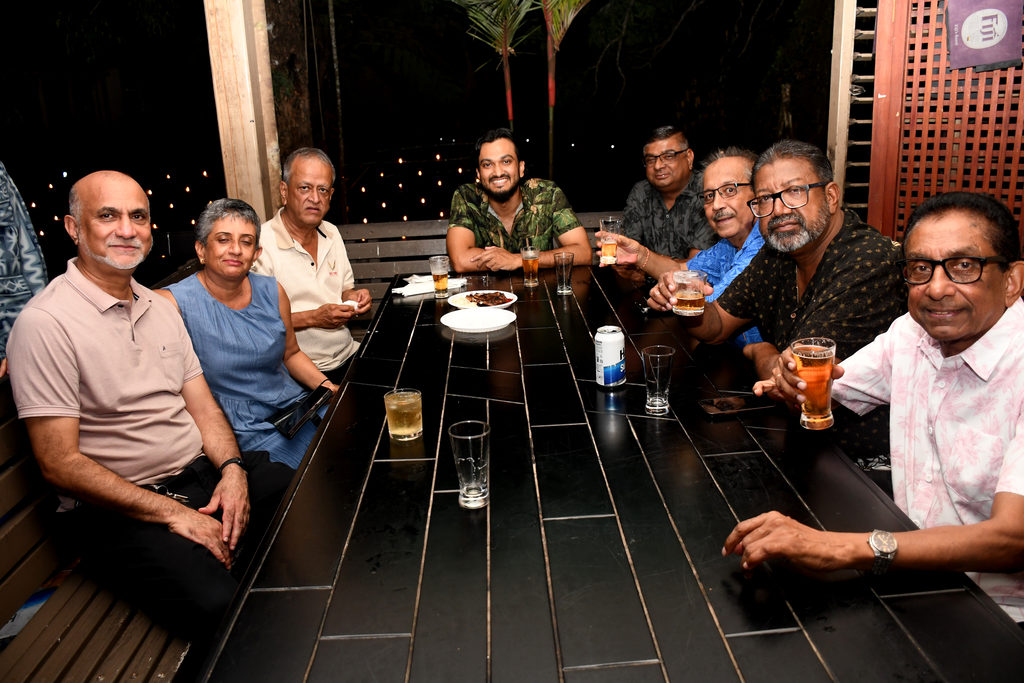
Some members celebrate the club’s 151st anniversary in Suva earlier this month.
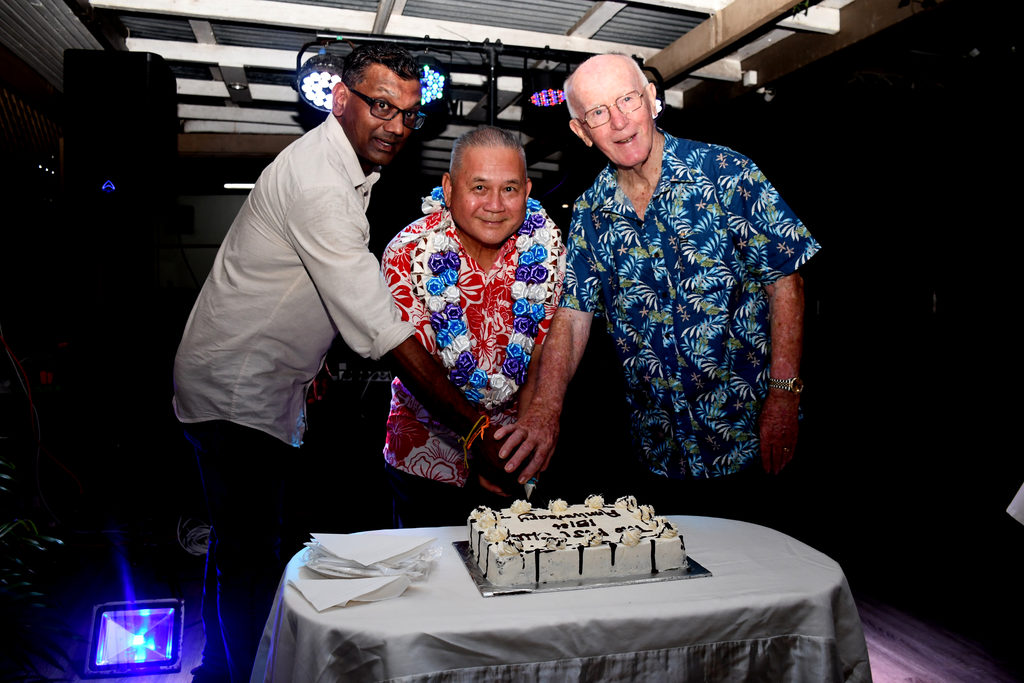
Fiji Club vice president Neel Shivan (left), president Yuen Park and trustee Ross McDonald officiate in the cake-cutting ceremony to the club’s 151st anniversary earlier this month.
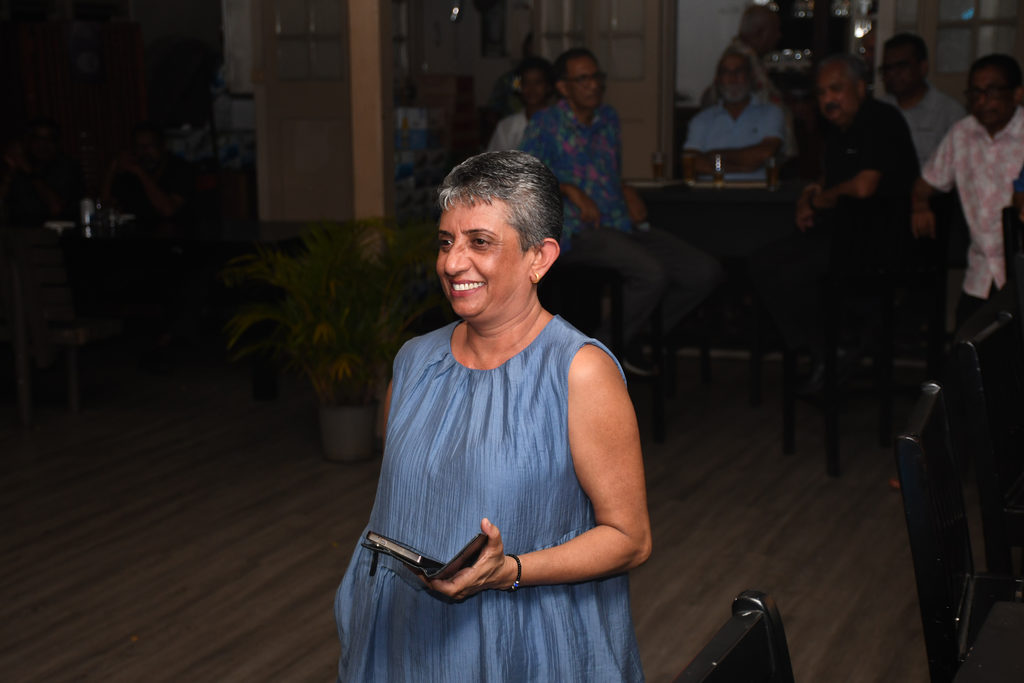
Fiji Club club secretary manager Vinita Abhimanyu during the clubs 151 Anniverssary. Picture: JONA KONATACI

