
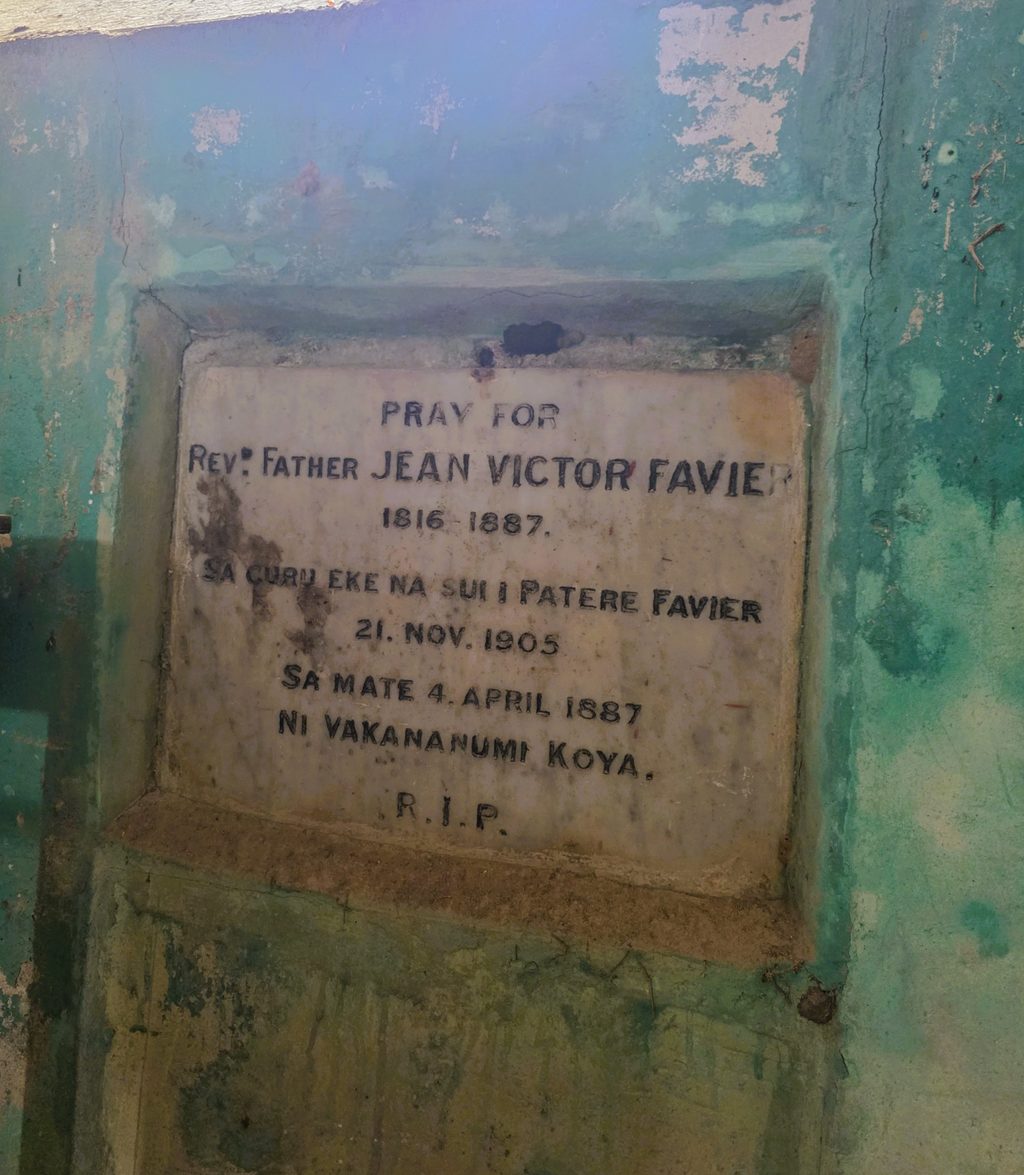
In last week’s instalment of our Discovering Fiji series, we delved into the rich, vibrant and sometimes tumultuous history of the over 120-year-old Naililili Cathedral in Rewa and its chief architect, the Reverend Father Emmanuel Rougier.
The Catholic Church is one of the oldest and most enduring of the many Christian denominations in Fiji, yet while the faith endures, an icon and symbol of the Church is facing an existential crisis.
Climate change, natural disasters and, dare I say it, perhaps even neglect have allowed this national treasure to fall into a dilapidated state.
This church is a symbol, and people look to symbols for inspiration and enlightenment.
The Saint Joseph the Husband of Mary Cathedral is important not just because of the many historical pieces of art it contains, but for what it represents.
As an icon and symbol of Catholicism, it stands as a living reminder of just how vital faith has been in the development of Fiji as a nation and, more importantly, how it gave hope and unity to a people once constantly at war, bringing them together under a simple, beautiful truth — God loves us all and we are all His children.
This week, we detail the current state of the cathedral, bringing to light the damage and decline it has endured over the years, and why it now needs restoration and renewal.
State of the Cathedral – battered exterior
Upon arriving at the Ro Banuve jetty from Nasali Landing, I was greeted by the secretary of the local priest, who then introduced me to the village catechist, Rusiate Tuinacau.
He and his fellow parishioners were busy cleaning up the compound around the cathedral, presbytery and the nearby school’s rugby pitch.
We began with a 360-degree tour of the building’s exterior.
It is made entirely of coral limestone, which was transported up the Rewa River to Naililili. These large chunks of solid rock were then stacked neatly on top of and alongside each other, and held firmly together by plaster. This gruelling manual work was done entirely by hand, without the use of machinery.
Sadly, however, rain and floodwaters have today chiselled away significant portions of the plaster, exposing the coral limestone beneath and leading to massive cracks, with even parts of the outer walls crumbling in certain areas.
Poor drainage and blockages in the guttering system are major contributing factors. As a result, water has been able to seep into and flow through vulnerable areas of the cathedral, accelerating decay.
The two bell towers of the cathedral are today off-limits, as the wooden structures within them, which house the church bell and clock, have begun to disintegrate and rot due to water intrusion from leaks in the roof.
The left tower features a wooden stairway that was once used for sightseeing, but it too has become unstable and is therefore cordoned off.
Mr Tuinacau explained that the towers had originally been built with roofs, but these were destroyed by tropical cyclones.
Father Paul Coquereau, who served as the local priest from the 1960s to the 1970s, initiated a restoration of the church during that time. This included a major facelift of the cathedral’s interior, as well as the design of stone eagles placed at each corner of the tower roofs. These specialised waterspouts are today in need of attention, as they may have become clogged with debris, causing water to be diverted to other areas of the roof, where it accumulates over time and eventually seeps into the stone and delicate ceiling boards.
Flooding over the years has also resulted in the cathedral now sitting almost level with the riverbank. Mr Tuinacau noted that, when it was first opened, the church stood on elevated ground and people had to climb upwards from the riverbank to reach it.
Over time, silt and mud have built up, gradually bringing the river much closer to the cathedral and, with that, heightening the risk of flooding—even during the prolonged rains that are characteristic of Rewa’s climate.
State of the Cathedral – bruised interior
While the inside of the church remains as magnificent and glorious as it was when it opened in 1901, one cannot help but notice the scars left behind by floodwaters and cyclone winds.
The walls on both sides, as well as that of the main altar, feature some of the most intricate examples of European art in the form of stained-glass windows depicting Catholic saints, as well as Christ.
While the majority of these remain intact, some have been completely or partially destroyed.
The floors are currently carpeted but are in need of tiling, and perhaps even slight elevation on a solid concrete foundation.
There is access to electricity, with the main altar being the most significantly lit area. However, there is a need for an improved sound system, given that the church can accommodate as many as 800 people.
There are two altars to the left and right of the main altar, dedicated to the Virgin Mary and the Lord Jesus respectively. The two statues remain in excellent condition, but are in need of touch-up work and redecoration.
The interior of the cathedral is predominantly a soft shade of pink, with intricate designs painted on the pillars and across the ceiling. Mr Tuinacau highlighted that during heavy rain it leaks significantly, almost pouring in some areas—particularly on the right side of the cathedral, close to the main altar and adjacent to the altar of Jesus.
The church committee in this instance has ensured that the main altar is protected from the elements, as it is the holiest section of the church and holds the communion offerings of bread and wine used during Mass.
Above the main entrance is the choir area, accessible via a narrow but short set of stairs. It offers a clear view of the cathedral and could accommodate about 60 to 70 choir members. Unfortunately, like the towers, it has been cordoned off due to weak floor-boarding and the fragile state of the timber from which it is entirely constructed.
The interior of the church’s ceiling is an area not many get to visit, and we were privileged to have the opportunity to do so, with much of the woodwork and materials still in their original form. It is, however, in need of a thorough inspection to identify weak beams that require reinforcement or replacement, as well as to address leakages in the roof.
Road to restoration
The complete and thorough revitalisation of a structure such as this will require thoughtful consideration and planning, with priority given to the integrity and long-term stability of the cathedral by shaping the building to better withstand the volatile climate of the delta region.
In the short term, however, urgent measures must be taken to keep water out of the building by repairing leaks and improving drainage.
The Government, through the Ministry of Culture and Heritage, needs to take note of this sacred building and, given its age and links to the history of Rewa and Fiji, declare it a heritage site. This symbolic gesture would in itself create pathways for the cathedral’s restoration.
However, before this is done, it is vital that the vanua o Rewa and the Catholic Church in Fiji join hands to facilitate a fundraising initiative to raise the much-needed funds required to kick-start restoration efforts.
The Cathedral of Naililili does not just tell the story of the Catholic mission, or of Rewa, but of Fiji itself. Let this not become a case in history where we merely stood by while a jewel of our nation crumbled into dust, only to realise its value too late. It belongs to Fiji just as much as it belongs to Rewa—therefore, it belongs to all of us. Let us save our cathedral.
History being the subject it is, a group’s version of events may not be the same as that held by another group. When publishing one account, it is not our intention to cause division or to disrespect other oral traditions. Those with a different version can contact us so we can publish your account of history too — Editor.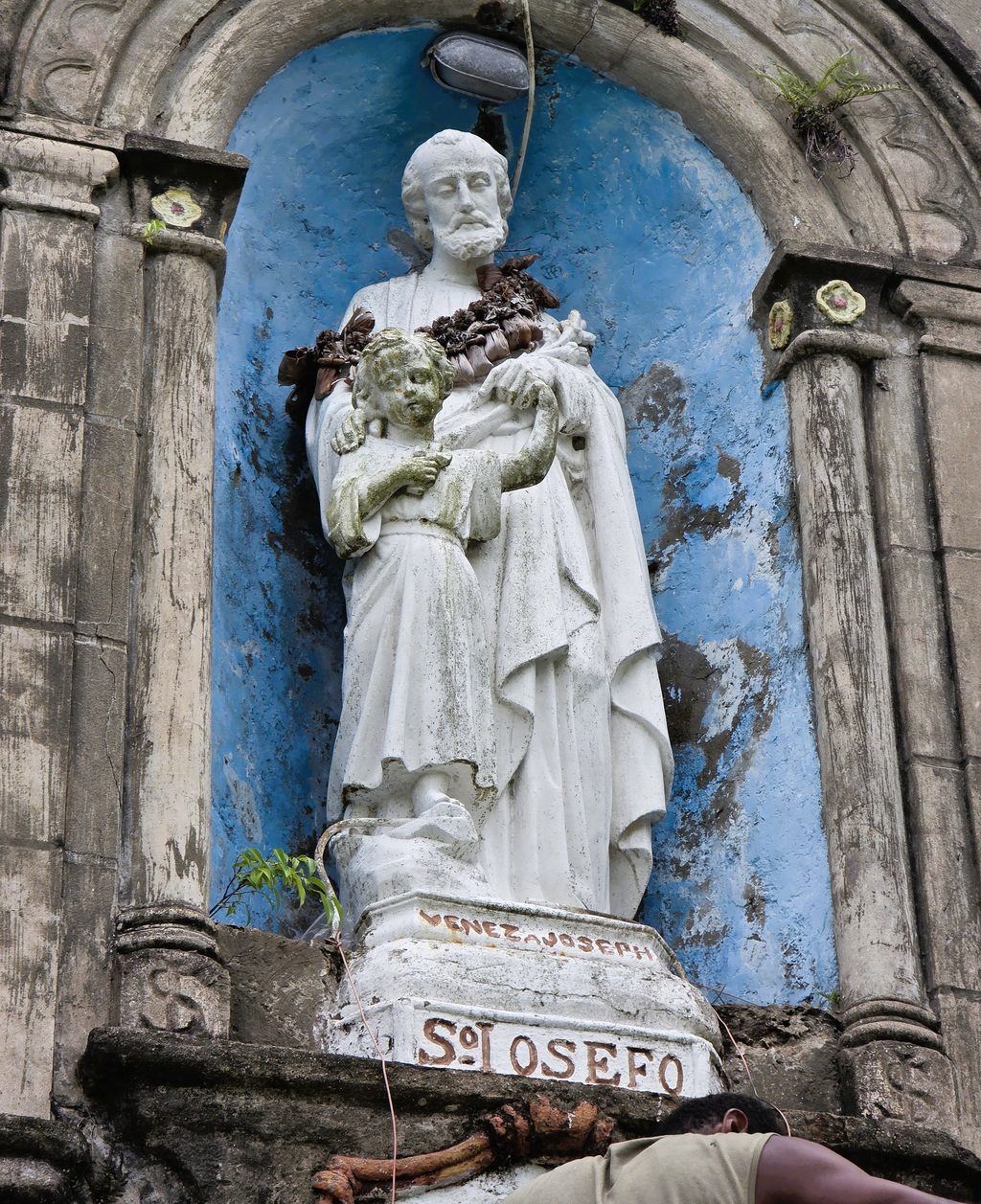
Statue of Saint Joseph and Lord Jesus as a boy above the main entrance of the cathedral. Picture: ALIFERETI SAKIASI
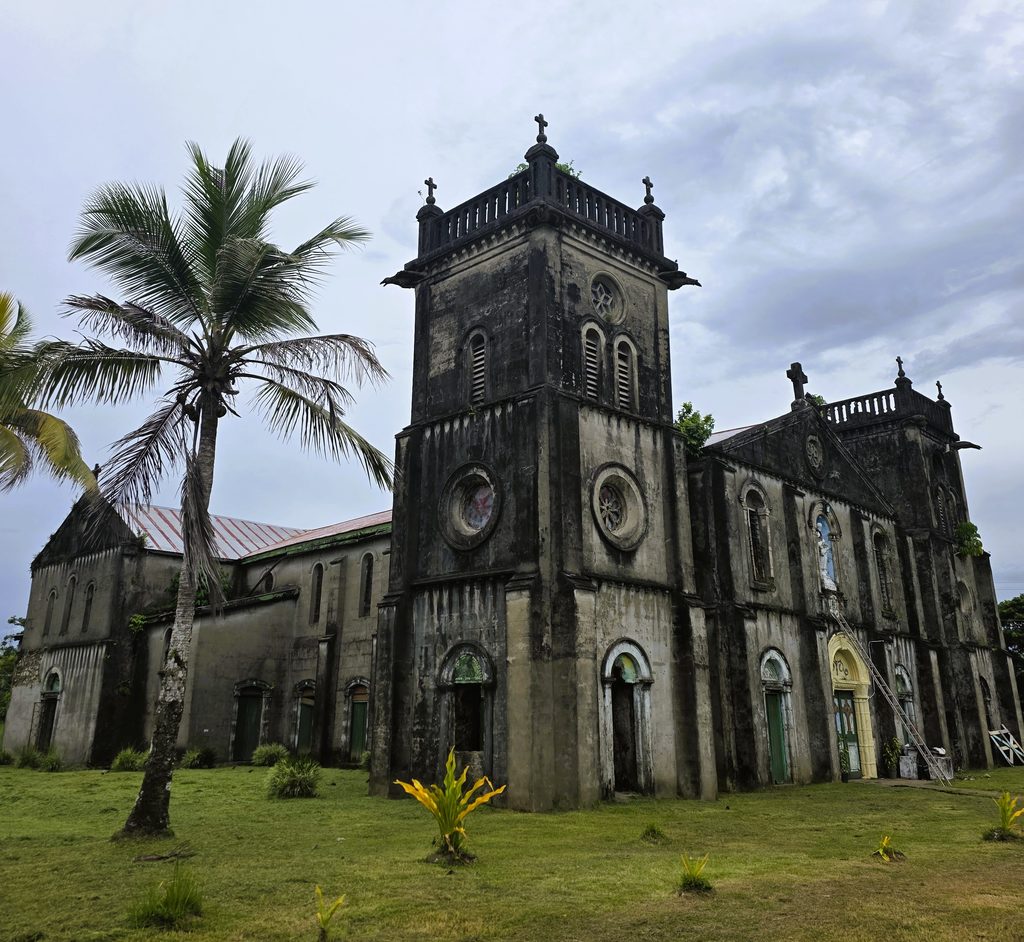
Exterior side view of the cathedral. Picture: ALIFERETI SAKIASI
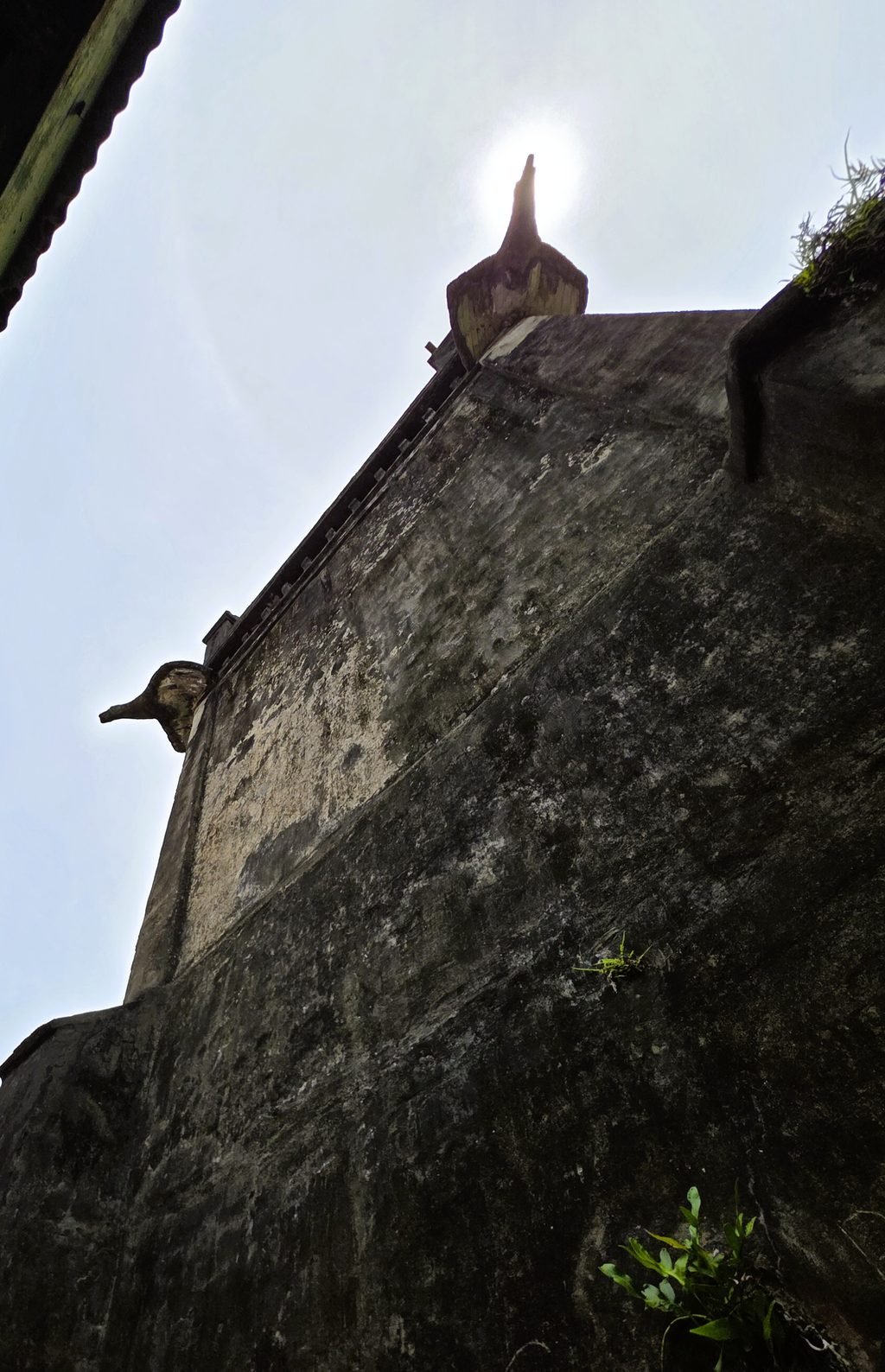
View of the eagle sculpted water spots on the left tower. Picture: ALIFERETI SAKIASI
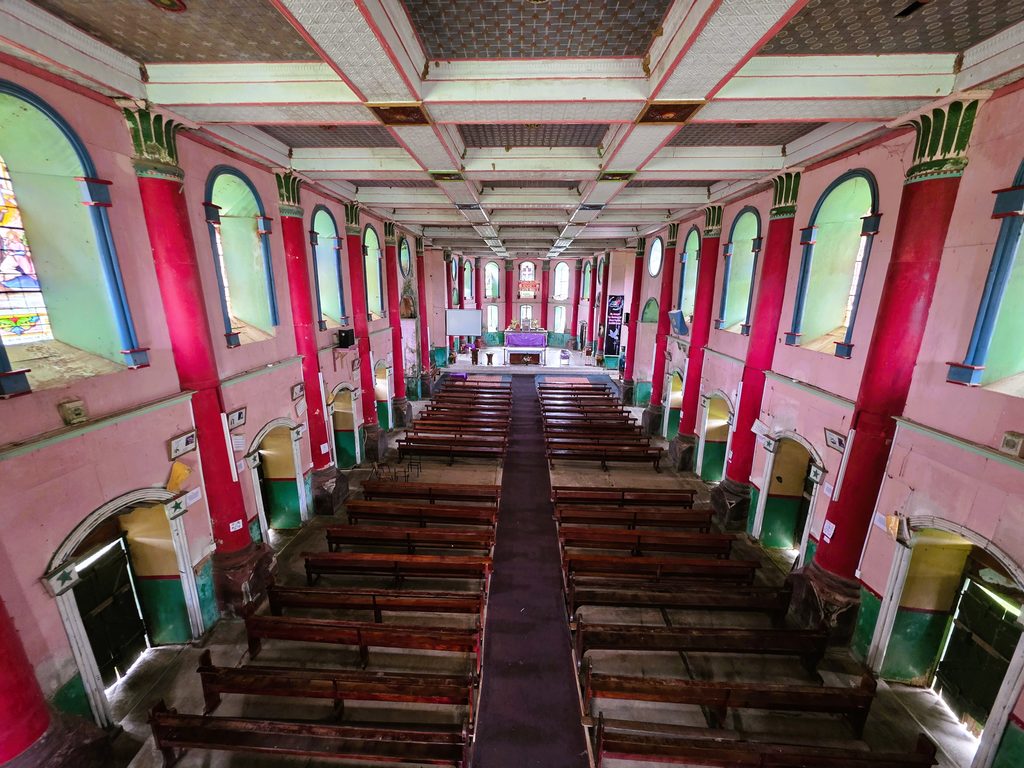
View of the cathedral from the choir area. Picture: ALIFERETI SAKIASI
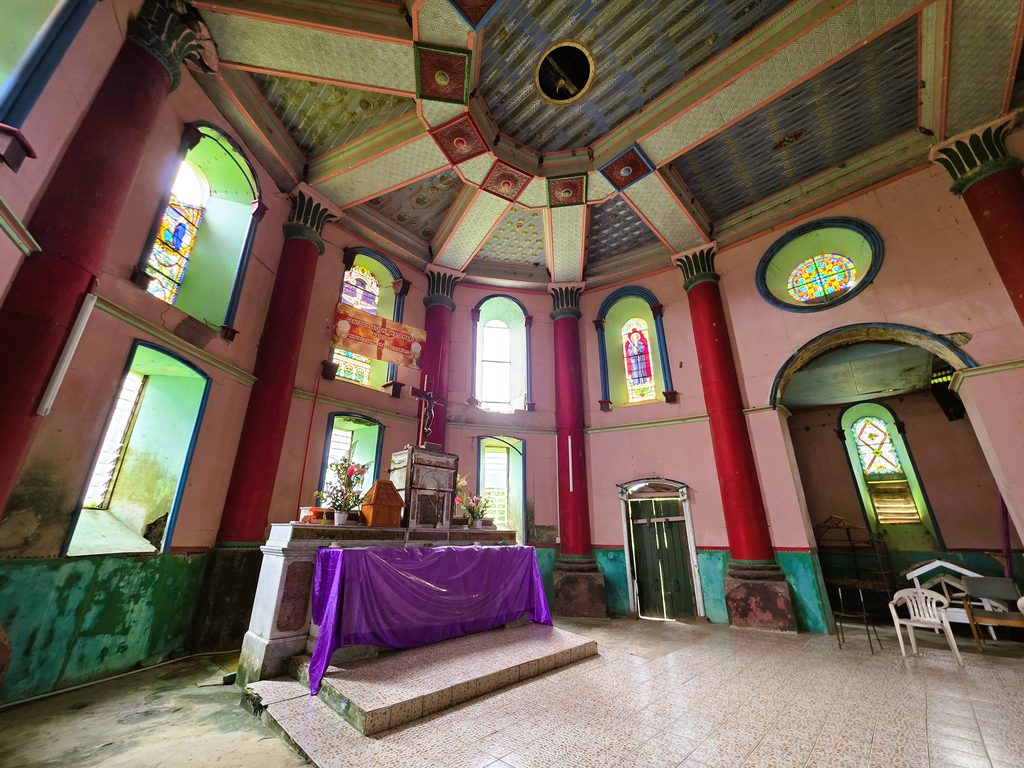
The main altar of the cathedral, the holiest section. Picture: ALIFERETI SAKIASI
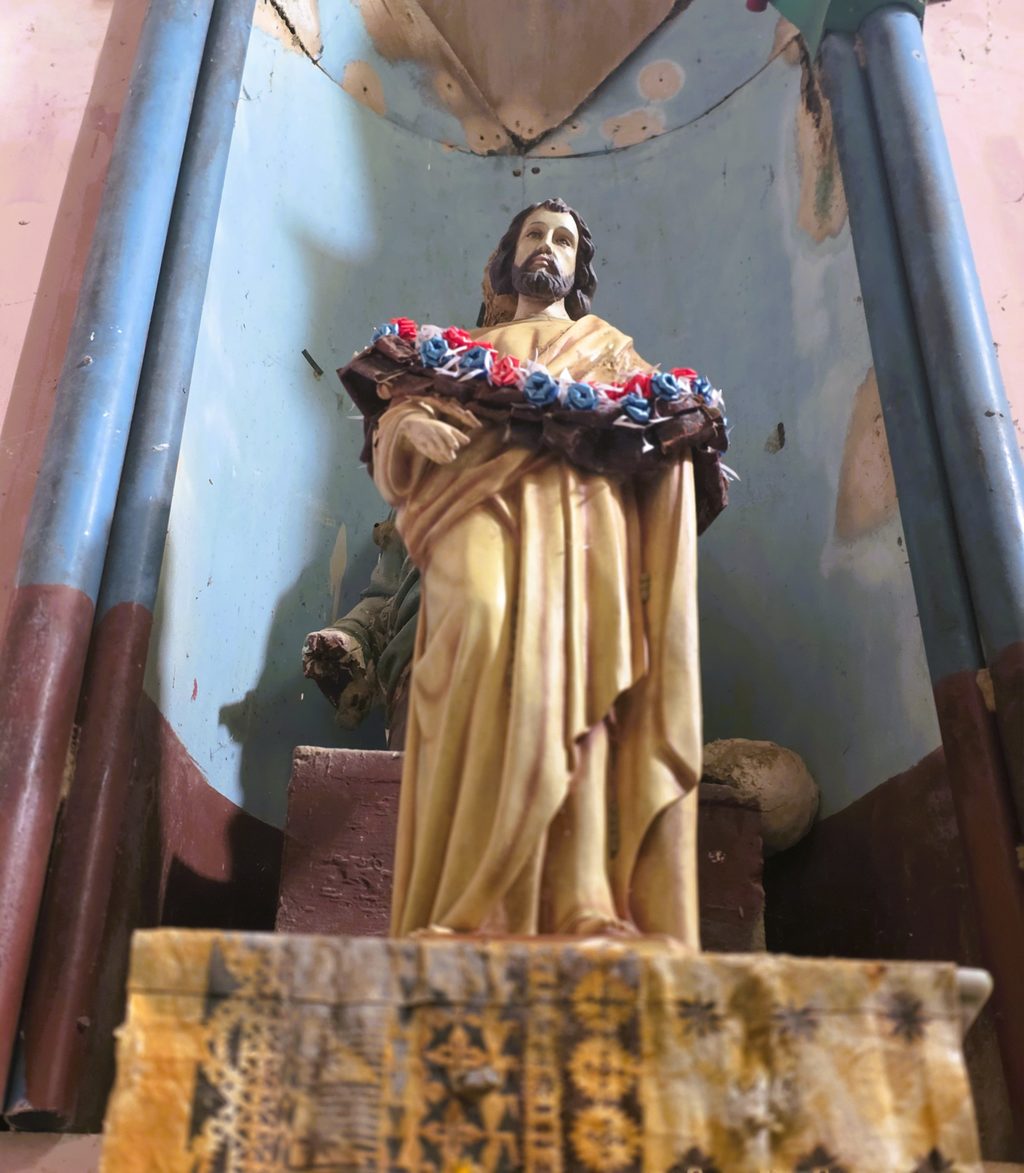
Altar of the Lord Jesus. Picture: ALIFERETI SAKIASI
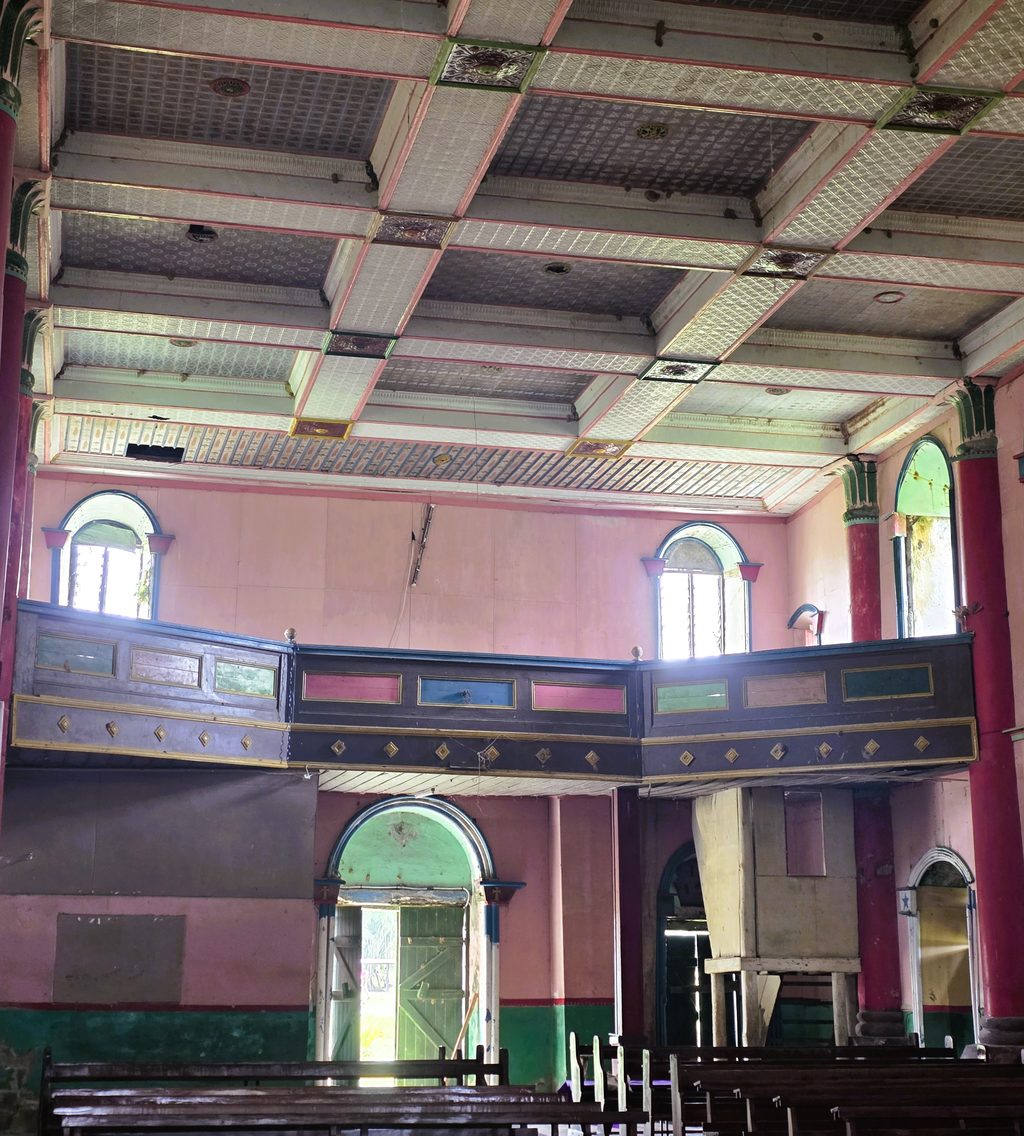
View of the choir area which is no longer in use.
Picture: ALIFERETI SAKIASI
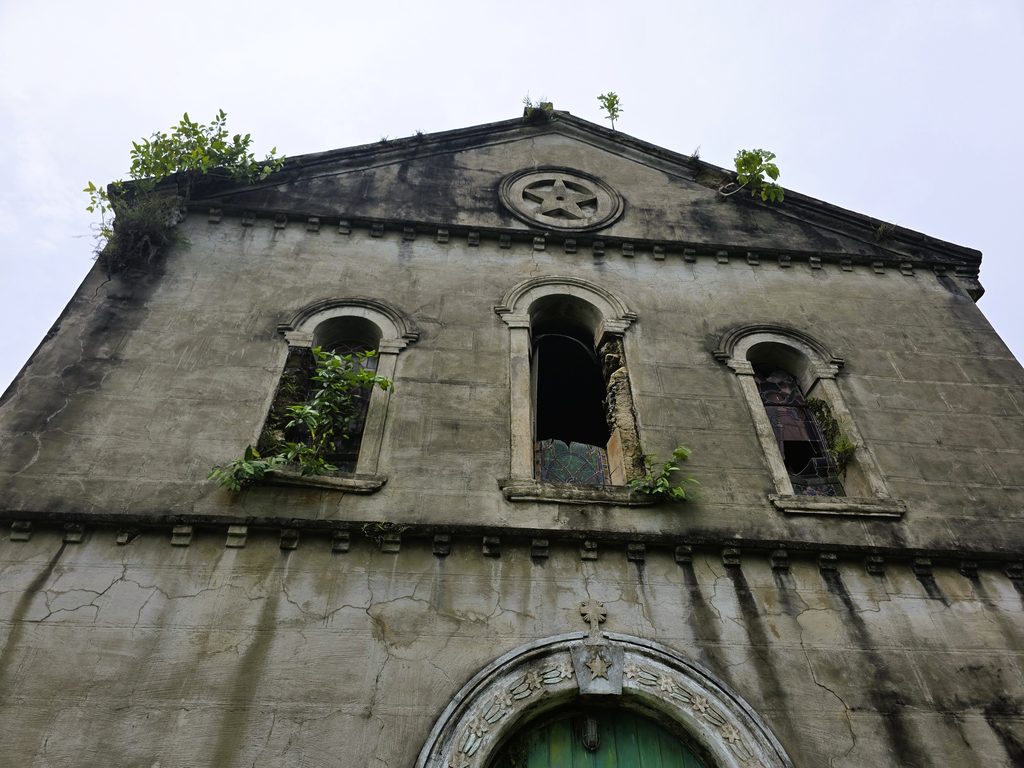
Right: Cracks, broken windows and plant growth. Picture: ALIFERETI SAKIASI
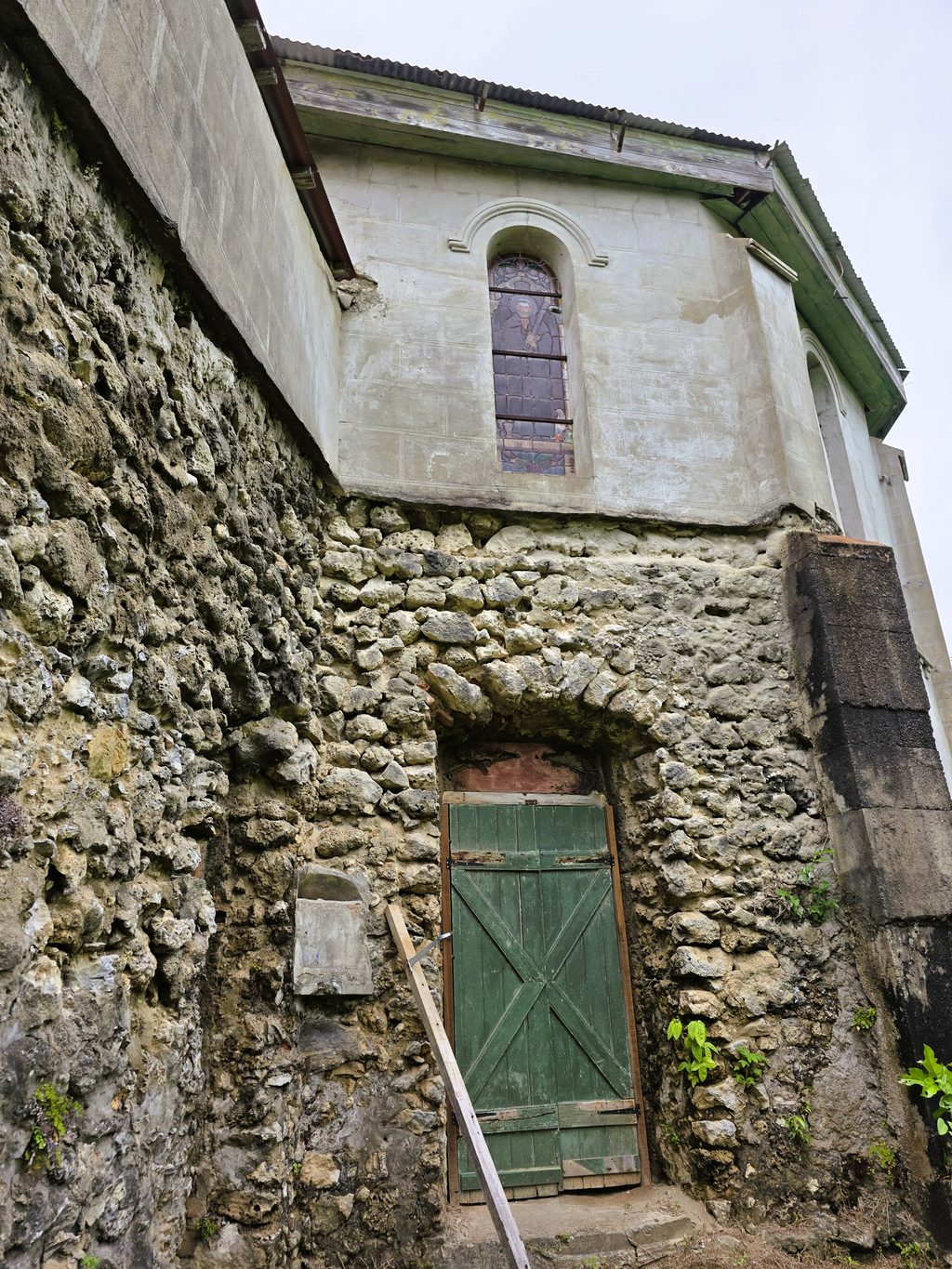
Exterior walls of the building require urgent plaster work as the coral limestone rocks are now visible. Picture: ALIFERETI SAKIASI
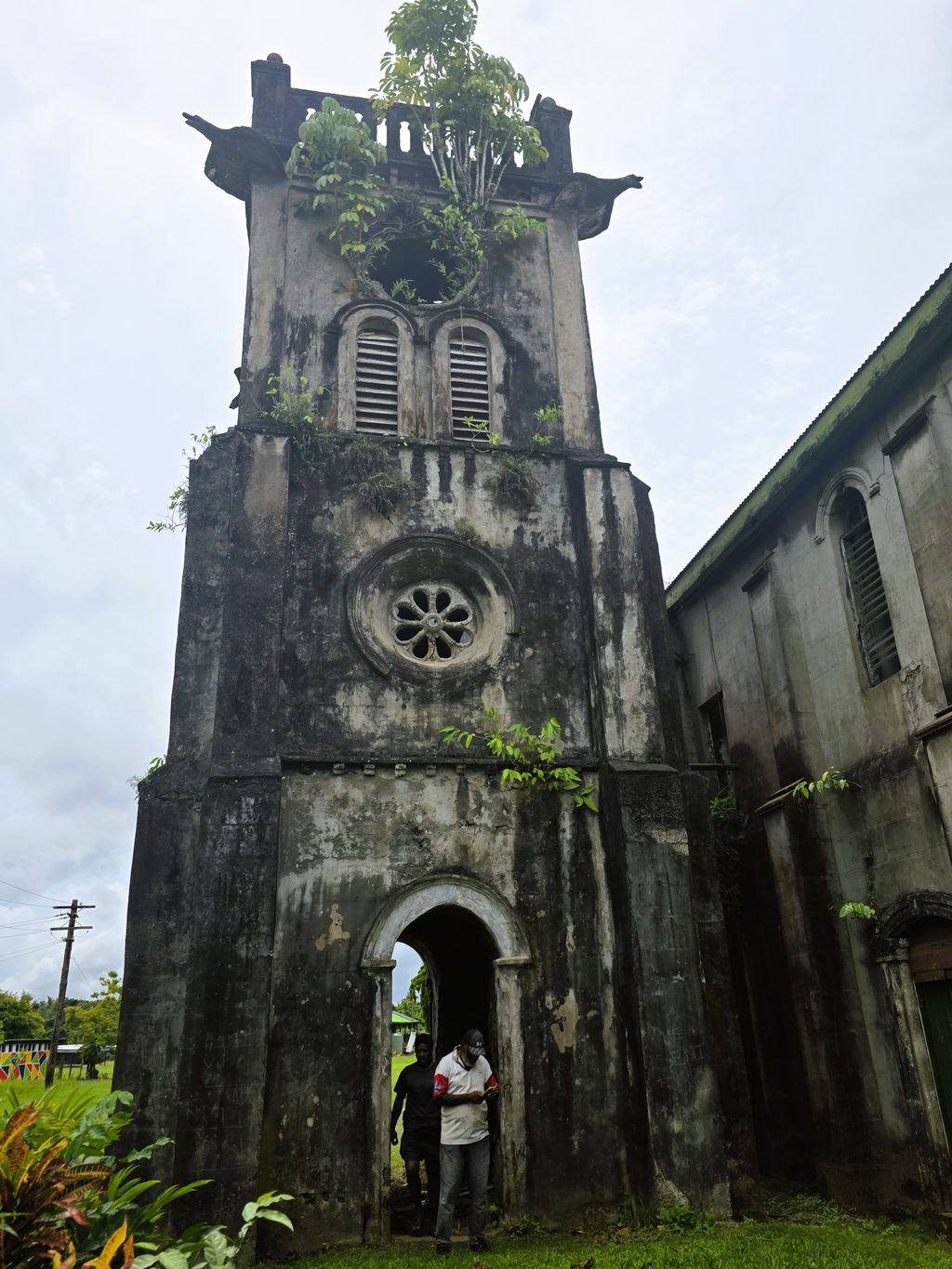
The left bell tower which also featured a clock mechanism both brought in from France. Picture: ALIFERETI SAKIASI

