
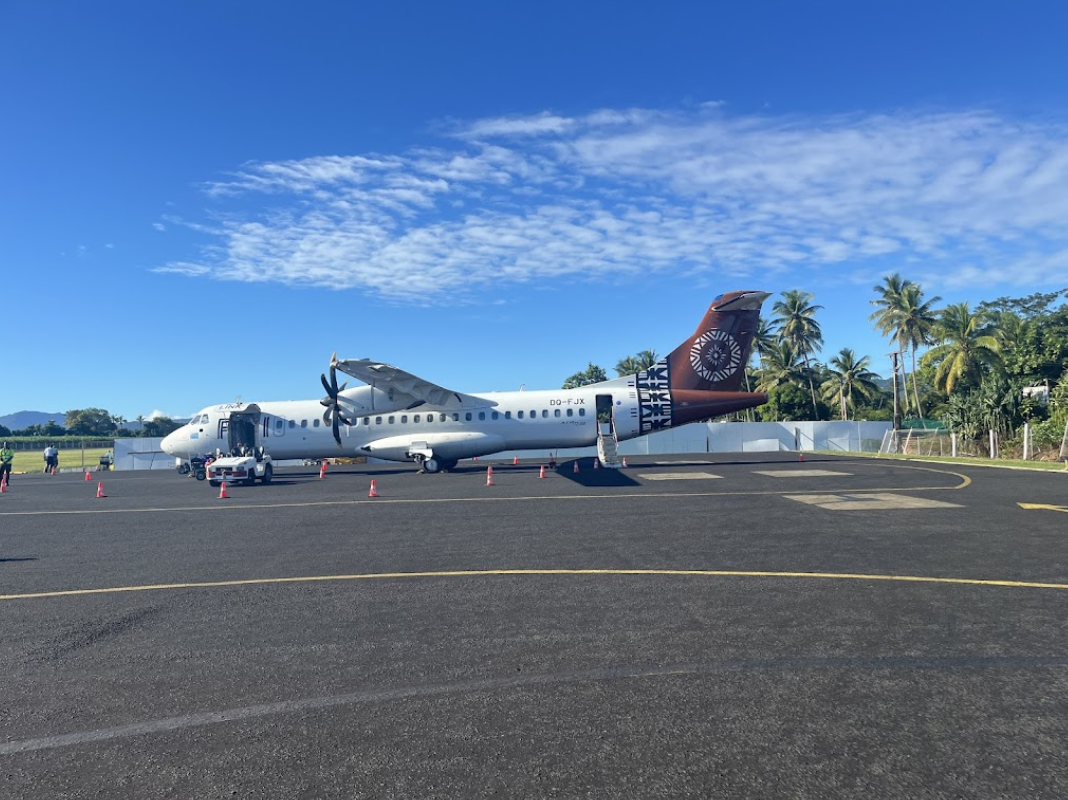
HIGH domestic airfares are being driven by operational costs and safety requirements, said Fiji Airways chief operating officer Subsidary and Emergent Business Gordon Penfold following public concern over ticket prices on key routes in the Northern Division.Concerns had been raised that some paid $850 only for a fare from Savusavu to Nadi and $450 from Savusavu to Suva.
“Domestic air travel in Fiji operates within a unique environment, connecting geographically isolated islands with varying levels of demand,” Mr Penfold said.
He said Fiji’s domestic aviation sector operated under unique conditions.
“Airline pricing around the world is influenced by several factors, including aircraft type and size, fuel costs, maintenance, airport and regulatory charges, as well as weather considerations and operational constraints.”
While responding to queries from this newspaper, he said, infrastructure limitations on certain routes forced the airline to use smaller aircraft, increasing per-seat costs.
“On routes such as Nadi to Taveuni and Nadi to Savusavu, airport infrastructure limitations require the use of smaller aircraft, which results in higher per-seat operating costs.
“Fiji Link operates a 19-seater DHC6 Twin Otter aircraft to these destinations but due to aerodrome performance considerations and the need to carry sufficient fuel for the return, can only carry 14 Guests to Taveuni and 15 to Savusavu. As a result, some seats cannot be made available for sale, and need to be left empty, as weight and balance requirements must be met to ensure safe take-off and landing.”
He said fares were largely determined by the cost of operations.
“Domestic airfares are, therefore, largely driven by operational necessities and the need to at least cover the cost of those operations.
“Fuel remains a significant cost driver for airline operations, and with current global prices fluctuating around $US100 a barrel, variations in fuel costs continue to have a direct impact on operating expenses.”
“Fiji Link’s fare structures are regularly reviewed in line with changes in demand, operating costs, and market conditions to ensure a balance between affordability and the long-term sustainability of essential domestic air services.
“Customers are encouraged to plan and book early via our website, remain flexible with travel dates wherever possible, and monitor fare availability to access lower pricing options such as our sale fares and our senior citizen and student fares.
“We value customer feedback, which is continually reviewed and helps inform ongoing service and network planning.
He said Fiji Link works closely with key stakeholders across the aviation sector, and remains committed to providing safe, reliable, and consistent domestic air services, while ensuring its services support both the communities and the broader national economy.
Meanwhile, runway strengthening and expansion of terminal at Labasa Airport have been completed and the airport is now open for business.

