
AT least 9000 Fijians are HIV positive in 2026.
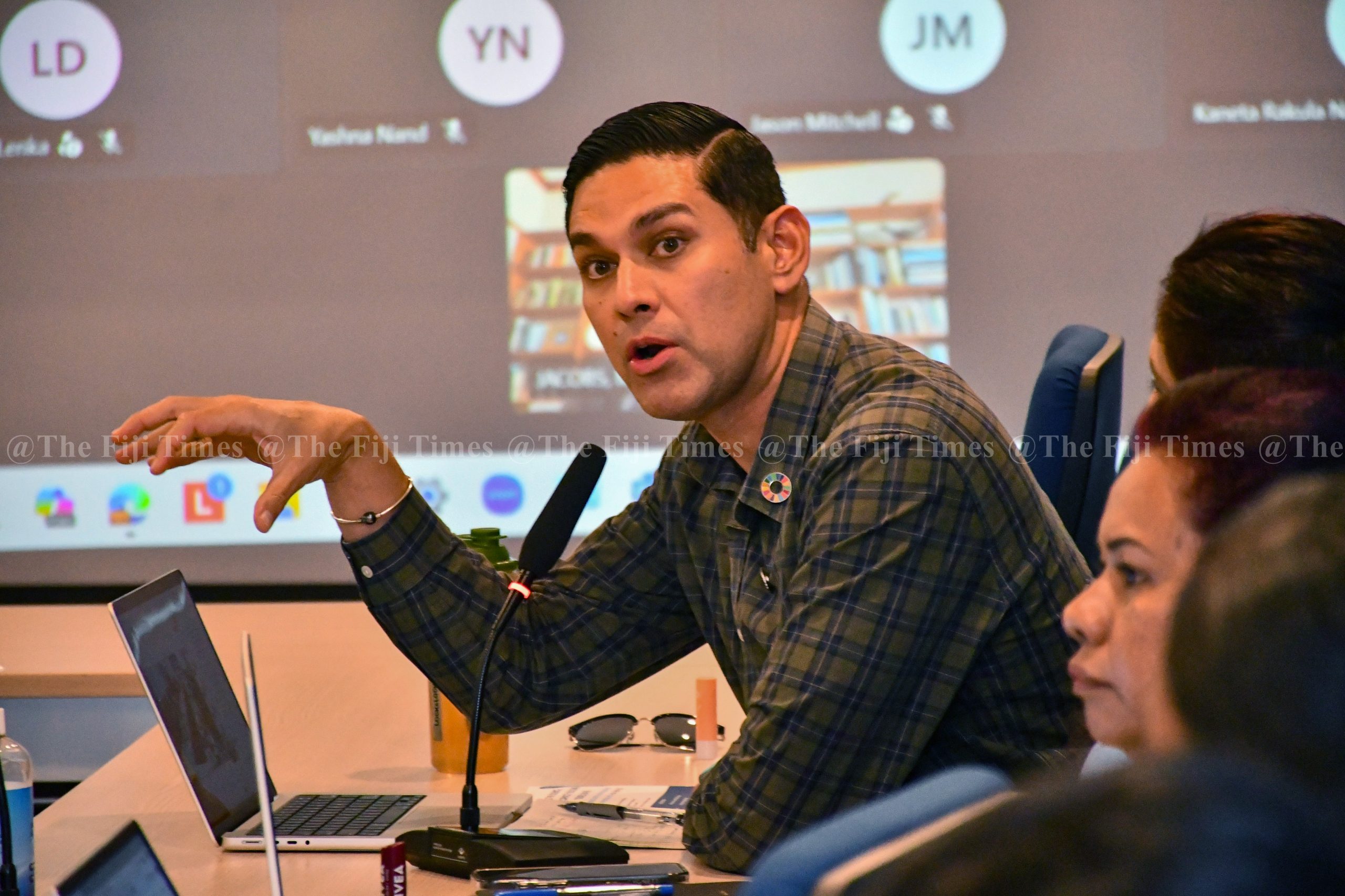
This was revealed by National HIV Outbreak and Cluster Response chair Dr Jason Mitchell at the Rotary Club Black Tie fundraiser, where he warned that infections are rising rapidly across the country.
Dr Mitchell recalled Fiji’s previously reported record of 2016 new HIV cases in 2025 alone, a sharp increase compared to previous years.
“In 2022, Fiji recorded 245 new HIV diagnoses — and by 2024, that number had risen to 1583,” he said.
“In 2025 alone, last year, we recorded 2016 new cases. That is a 723 per cent increase in three years.”
Dr Mitchell said over 8900 Fijians are now estimated to be living with HIV, with more than half aware of their status, yet not on treatment.
“3.1 per cent of pregnant women attending antenatal care in Fiji are testing positive for HIV.
“At the Colonial War Memorial Hospital in Suva, that figure rose to 3.7 per cent last year.” Dr Mitchell further revealed that one baby is being diagnosed with HIV each week through mother-to-child transmission, with some requiring ventilator support. One child also dies each month from advanced HIV disease. He stressed that HIV was affecting communities nationwide, across the Central, Western, Northern and Eastern divisions, saying the virus was present in families, workplaces and communities throughout Fiji.
However, he urged attendees that while the Government and UNAIDS continue to take a phased approach, immediate, tangible impact could be made through their generosity that night.
“The Rotary Club of Suva has chosen the Nakasi SRH Clinic as the beneficiary of tonight’s event.
“It means equipping nurses with the tools to conduct rapid HIV tests and deliver results within twenty minutes and furnishing counselling rooms where a young woman can speak openly about her life, risks, and fears in a safe, private space.
“And it means resourcing outreach efforts to reach communities who may never walk into a clinic unless someone first comes to them.”
l Editorial Comment on PAGE 8

