
THE iTaukei Land Trust Board (TLTB) and the Department of Environment have acknowledged critical lessons learnt from the controversial Freesoul development case, admitting gaps in consultation, compliance and enforcement that led to environmental damage.
The case involving Freesoul Real Estate Development (Fiji) Ltd, which undertook excavation works through mangroves and a coral reef on Malolo Island for a resort and casino project, has since shaped proposed legislative amendments and community engagement efforts.
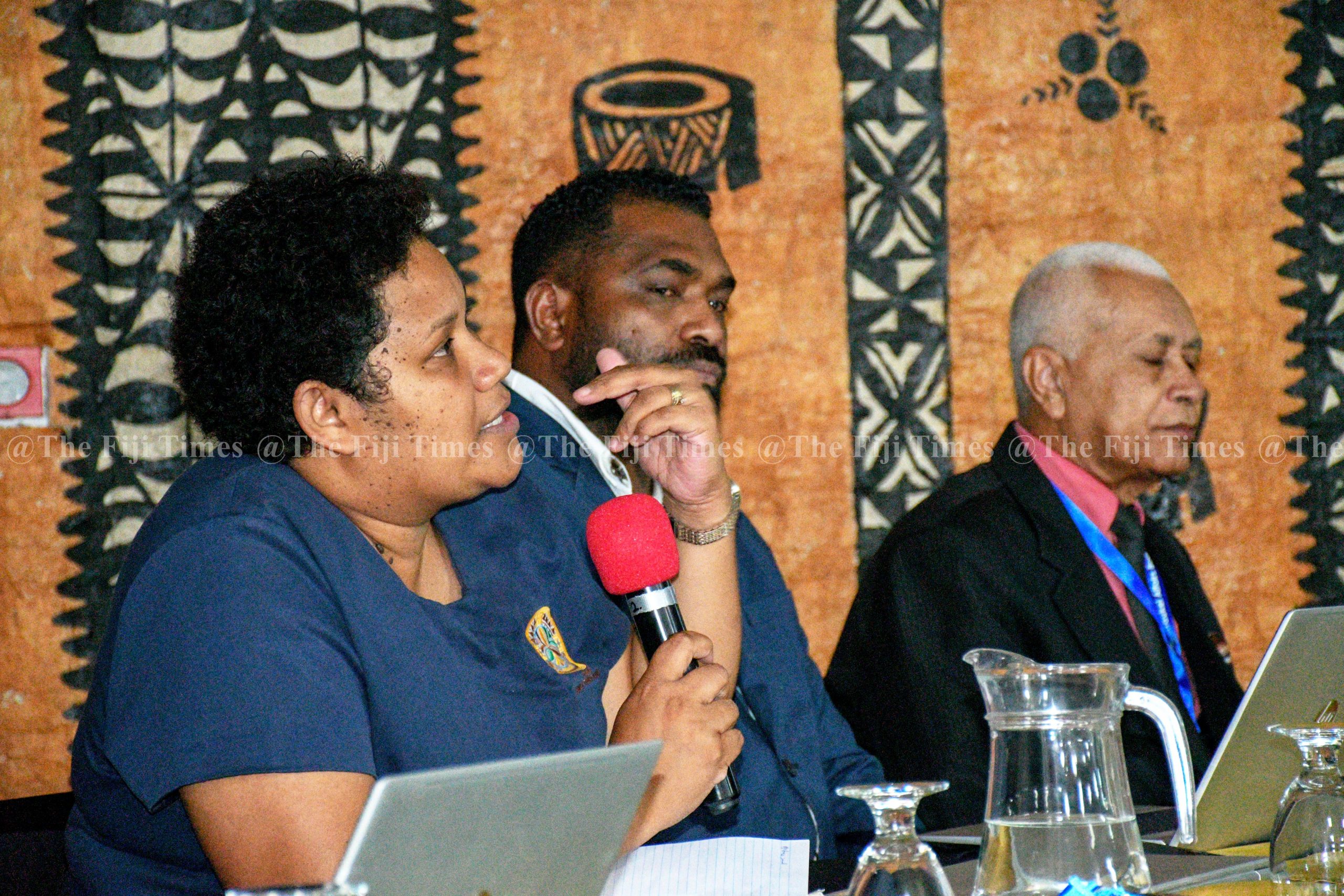
TLTB senior estate compliance & risk officer Sereana Tuisabeto, while responding to questions raised by Isei Brown of the Republic of Fiji Military Forces, said the incident exposed shortcomings despite clear approval conditions.
“On the Freesoul case, as I have highlighted in the presentation, the conditions are very clear,” she said.
“They will need to comply with the environment management act.
“In that case we have learnt a lot of lessons, in terms of consulting landowners. As I have mentioned on the awareness, many a times when we go out and do consultations, there are questions from landowners on processes to undertake when there’s issues like that.
“So, from our end, to ensure that the environment is protected, and that we have noted from that case that even though the conditions were very clear, Freesoul still went ahead with a lot of damaging on the coastal line.”
She said outreach had been expanded to empower landowners to report breaches.
Department of Environment senior environment officer Josua Waqanivalu said the case also prompted legislative reform.
“It’s what led to the amendment of our legislation,” he said.
“So, in the amendments, EIA needs to be carried out first and developers and the approving authority can be penalised if approval has been given without proper processes being followed.”

