
An alarming rise in HIV infections among newborns is being linked to a troubling new trend- mothers contracting the virus during pregnancy due to partners engaging in high-risk behaviour.
Health officials say the increase is reversing gains in prevention, with 59 babies born with HIV in 2025, up from 31 cases in 2024. On average, at least one baby died from HIV each month last year.
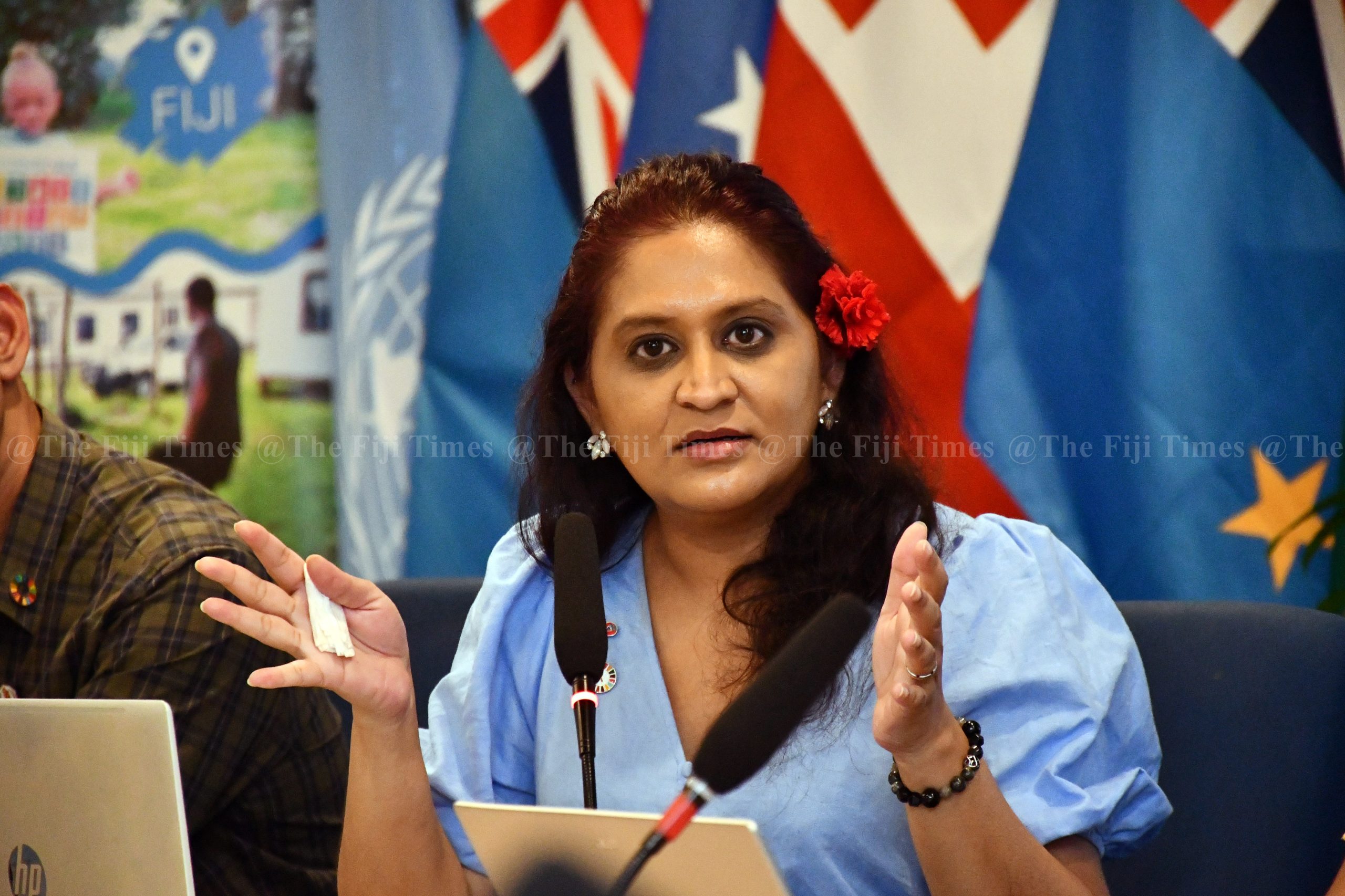
Speaking during a media capacity-building session, Treatment Care and Support Lead at the Ministry of Health’s SRH and HIV unit, Dr Darshika Balak, said many mothers initially test negative but become exposed later in pregnancy.
“We are seeing a new trend because women may not have risky behaviours but it’s their partners who have risky behaviours,” she said.
“Most of the partners are injecting drug users or people who inject drugs, and obviously in pregnancy, people do have sex.”
Dr Balak said late or unbooked antenatal visits are compounding the issue, delaying critical testing and treatment.
“We are seeing an increased number of infections among children born from mothers who have HIV, mainly among women who may have been unbooked or late bookers.”
To counter the trend, health authorities have introduced repeat HIV testing during pregnancy.
“We have started doing second or third testing among antenatal or pregnant women to counteract this.”
She stressed that early detection allows timely treatment, significantly reducing the risk of mother-to-child transmission.
The growing pattern, she said, highlights the critical role of partners in prevention, warning that even women with no high-risk behaviours remain vulnerable.

