
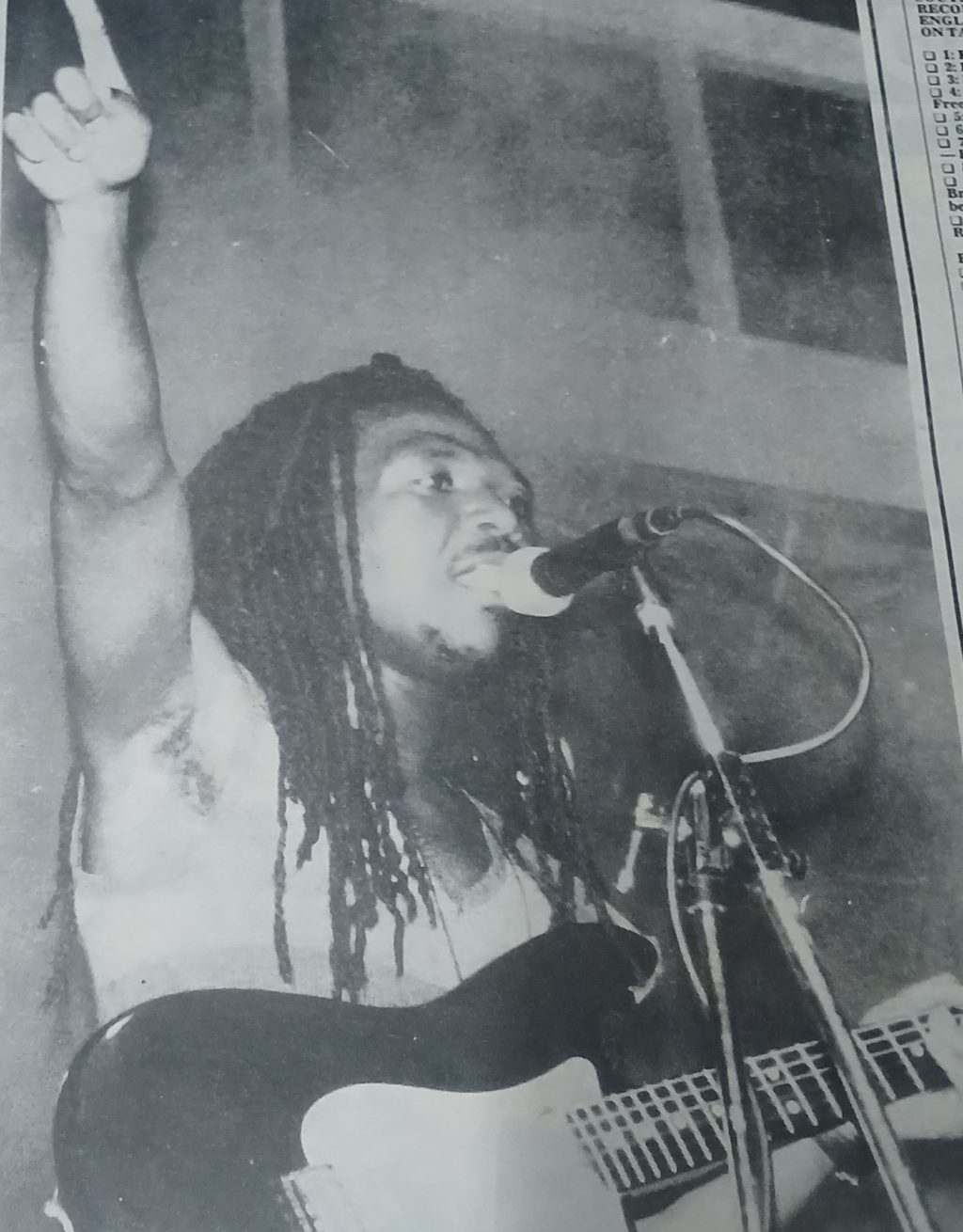
Back in May 1996, The Fiji Times captured a historic night in Suva as South African reggae band Free At Last — formerly known as The Slaves — took the National Gymnasium by storm, marking a new chapter of artistic and political freedom.
Once backing reggae legend Lucky Dube on his album Slave, which sold more than half a million copies internationally, the band had broken free from both the shackles of apartheid and the shadow of their former association.
“Slaves no more!” declared frontman and guitarist Thuthukani Cele, setting the tone for a two-and-a-half-hour high-energy concert that left the small but appreciative audience buzzing.
“Never, ever call us slaves again,” Cele proclaimed, a clear reference to both South Africa’s liberation and the band’s own independence.
The May 4 article said Suva granted them full licence to thrill in their signature rub-a-dub style.
Though the performance could not match the grandeur of Lucky Dube’s shows at the National Stadium three years prior, it delivered with a raw honesty and focus that captivated fans. Reduced to a tight seven-piece line-up, the band adapted to the absence of a percussionist, with saxophonist Vuli Yeni doubling on keyboards and trumpeter Ndumiso Nyvane and trombonist Jabu Mdluli taking on expanded backing vocal duties.
The show was not without its technical challenges. The National Gymnasium’s acoustics proved tricky, with Cele’s guitar repeatedly hampered by broken strings and faulty cables. Despite these setbacks, the band’s energy and commitment to sharing their “irie feeling” with the audience never wavered.
Highlights included Saturday Night, the dance anthem from their latest self-titled album, along with tracks from Kneel Down, Talkin’ Reggae, and Free at Last. The band also paid homage to reggae roots with Peter Tosh’s African and performed the local farewell song Isa Isa.
The concert also served as an acid test for the band’s evolving sound. Free At Last, formerly The Slaves, had influenced a generation of South African reggae musicians, including O’Yaba, Sister Phumi, and Jumbo. Their latest work suggested they were well on the way to establishing a unique identity on the international reggae stage.
By the night’s end, it was clear that Free At Last had not only claimed artistic freedom but was carving a path toward lasting recognition — a freedom earned not only from apartheid but from the weight of their past, setting the stage for the next chapter of their musical journey.

