
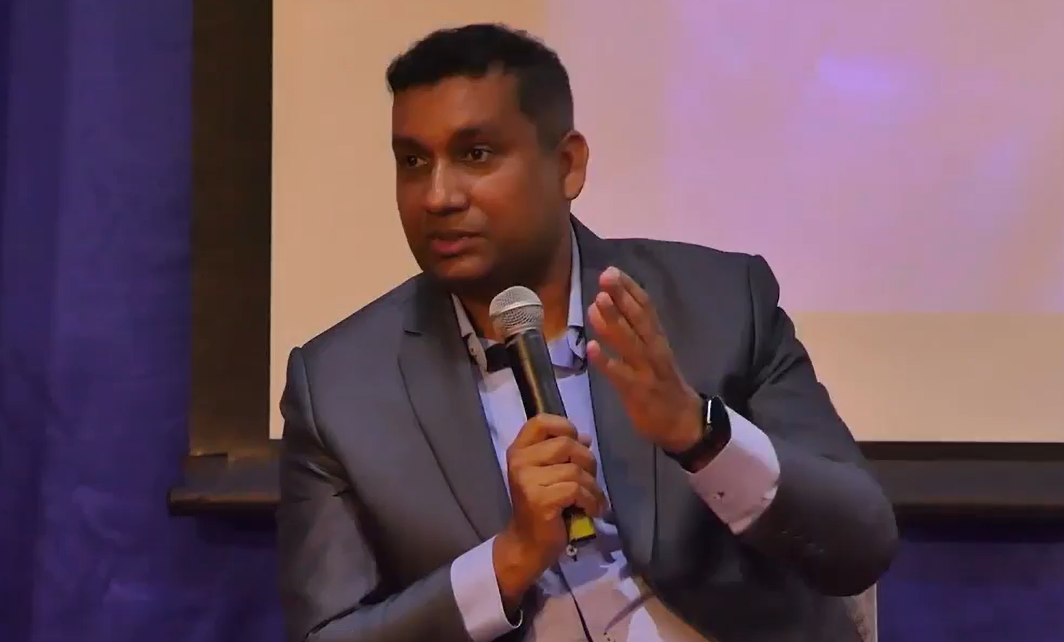
Racial division carries deep social, political and economic consequences for Fiji and must be addressed if the country is to reach its full potential, says Nilesh Lal, executive director of Dialogue Fiji.
Speaking during the commemoration of the International Day for the Elimination of Racial Discrimination in Suva yesterday, Mr Lal said Fiji’s history had been shaped by periods of racial tension and political instability that continued to affect society today.
“Our history has been shaped by moments of division, tension, and political upheaval where race has often sat at the centre,” Mr Lal said.
“These are not abstract issues. They are lived realities. They continue to influence how communities relate to each other, how institutions function, and how trust is built, or broken.
“And in a developing state like ours, the costs of racial division are not just social. They are economic. They are political. They are deeply structural.”
He said division also had direct impacts on development and stability.
“Division weakens investor confidence. It disrupts social stability. It fuels migration. It drains talent. It slows down development. Quite simply, a divided society cannot fully realise its potential.”
Mr Lal warned that history had shown the dangers of ignoring racial hatred and discrimination.
“These are lessons written in history. And they are warnings we cannot afford to ignore.”
He also welcomed initiatives promoting reconciliation, including the establishment of the Truth and Reconciliation Commission.
“We are encouraged by initiatives aimed at promoting reconciliation and unity, including the establishment of the Fiji Truth and Reconciliation Commission.
“As articulated in its mandate, the purpose of the commission is to promote social cohesion through healing and reconciliation. This is a significant and necessary step forward.”

