
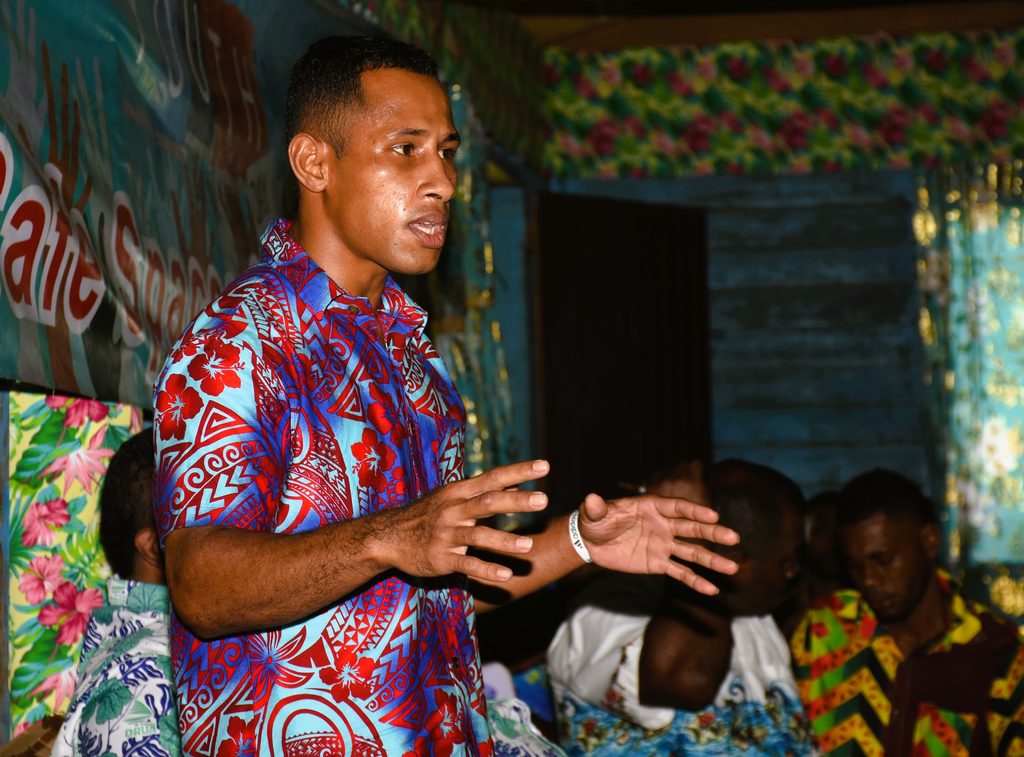
A growing drug crisis, rising HIV infections and limited employment opportunities are among the key concerns confronting young people in Naitasiri, with youth leaders calling for a coordinated national response that goes beyond isolated interventions.
These issues were brought to the fore by Naitasiri Provincial Youth Council president John William Tamani during the National Youth Council (NYC) annual general meeting held at Naqarawai Village in Namosi last week.
Representing 16 districts and 91 villages, Mr Tamani said the intersection between drug use and HIV had become an urgent priority for the province, reflecting a broader national trend acknowledged by Government as a public health emergency.
“Naitasiri is not insulated from this,” he said, noting the province’s geographical reach into peri-urban and urban centres such as Nasinu and parts of Suva, where exposure to drugs and associated risks is heightened.
Call for a unified, holistic approach
His intervention highlights a critical policy challenge: how to align national strategies with grassroots realities, particularly for a demographic aged 15 to 35 who are both current stakeholders and future community leaders.
Mr Tamani argued that addressing drug abuse required a “holistic approach”, bringing together Government, faith-based organisations, communities and families under a unified and consistent messaging framework.
“The more consistent the message, the more young people are aware of the dangers,” he said, stressing that fragmented efforts risk undermining long-term behavioural change.
Employment gaps
driving vulnerability
Beyond health concerns, unemployment emerged as another pressing issue during discussions among youth delegates. Mr Tamani said limited access to both formal and informal employment was pushing young people towards urban migration or, in some cases, exposing them to crime and other social risks.
He advocated for greater emphasis on income-generating projects and entrepreneurship at the village level, arguing that economic empowerment was central to social stability.
“If young people are financially stable, they can help themselves,” he said. “Opportunities should be created at home so they are not forced to leave.”
Labour mobility schemes
showing promise
However, the Naitasiri experience also points to potential pathways forward. Mr Tamani cited the impact of Government-supported labour mobility schemes, including seasonal work and the Pacific Australia Labour Mobility (PALM) programme, which have enabled rural youths to improve their livelihoods and social standing.
Returning participants, he said, were not only investing in housing and family welfare but were also assuming leadership roles within their communities — a shift that underscores the link between economic participation and civic responsibility.
Youth voice gaining ground
in governance
At the governance level, Naitasiri appears to be gradually integrating youth voices into traditional and administrative structures. Mr Tamani noted that young representatives are now participating in provincial council meetings and subcommittees, signalling a shift towards more inclusive decision-making.
While formal youth representation in national chiefly institutions such as the Great Council of Chiefs remains limited, he said provincial mechanisms were ensuring that youth concerns are still being channelled upwards through established representatives.
“We’ve been behind the scenes, supporting our leaders and ensuring our issues are heard,” he said.
Community-led solutions and engagement
On the ground, practical initiatives are also taking shape. Cooperative farming models, supported by partnerships with Government and non-government organisations, are helping revive traditional systems of collective work while generating income.
Similarly, investment in sports infrastructure and community-level competitions is providing alternative avenues for youth engagement, although gaps remain in access to dedicated facilities.
Taken together, the discussions at the NYC AGM point to a complex but interconnected set of challenges — where health, employment, leadership and social cohesion intersect.
Youth leaders like Mr Tamani believe that effective solutions will require not only policy alignment but sustained collaboration across all levels of society.
“The future we are talking about is ours,” he said. “Everyone has a responsibility.”
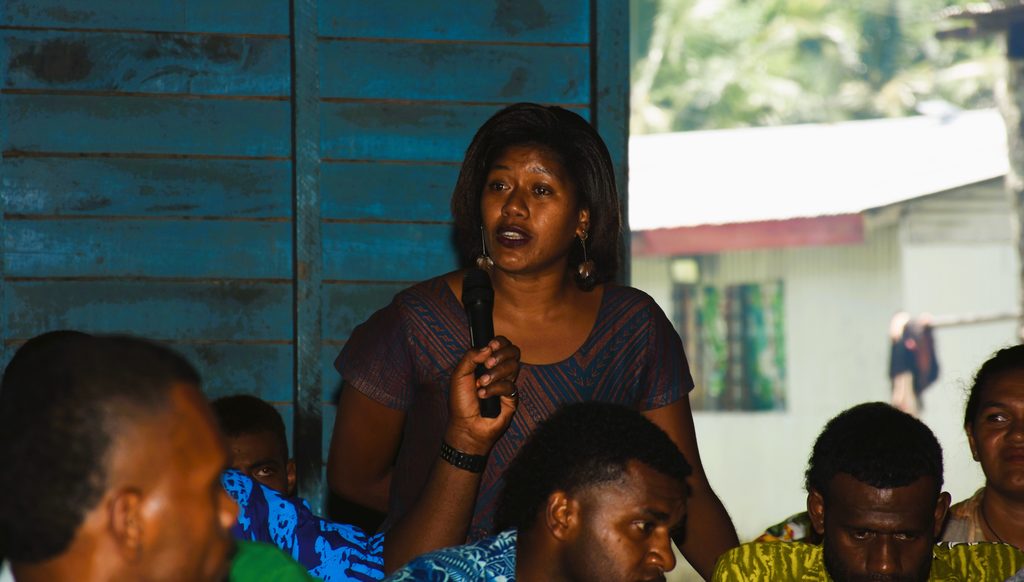
A youth representative from Cakaudrove contributes during the discussions at Naqarawai Village hall in Namosi. Picture: KATA KOLI
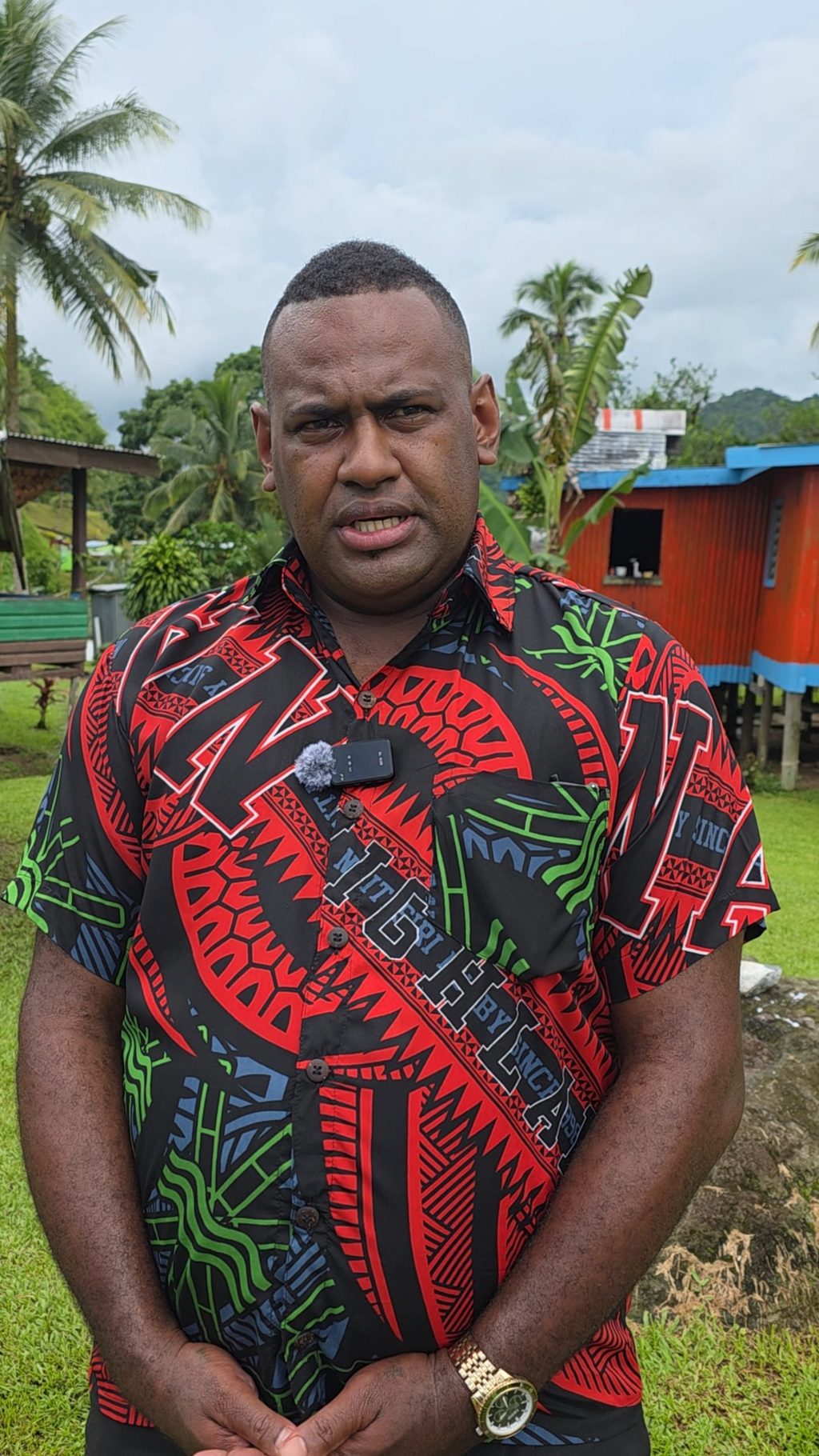
Naitasiri Provincial Youth Council president John William Tamani talks to The Sunday Times during the National Youth Council AGM at Naqarawai Village in Namosi last week, where he raised concerns on drug use, HIV and youth unemployment. Picture: ALIFERETI SAKIASI

